

Paper
Christopher S. Chivvis, Rohan Mukherjee, Milan Vaishnav
{
  "authors": [
    "Milan Vaishnav"
  ],
  "type": "legacyinthemedia",
  "centerAffiliationAll": "dc",
  "centers": [
    "Carnegie Endowment for International Peace"
  ],
  "collections": [],
  "englishNewsletterAll": "ctw",
  "nonEnglishNewsletterAll": "",
  "primaryCenter": "Carnegie Endowment for International Peace",
  "programAffiliation": "SAP",
  "programs": [
    "South Asia"
  ],
  "projects": [],
  "regions": [
    "South Asia",
    "India"
  ],
  "topics": [
    "Economy"
  ]
}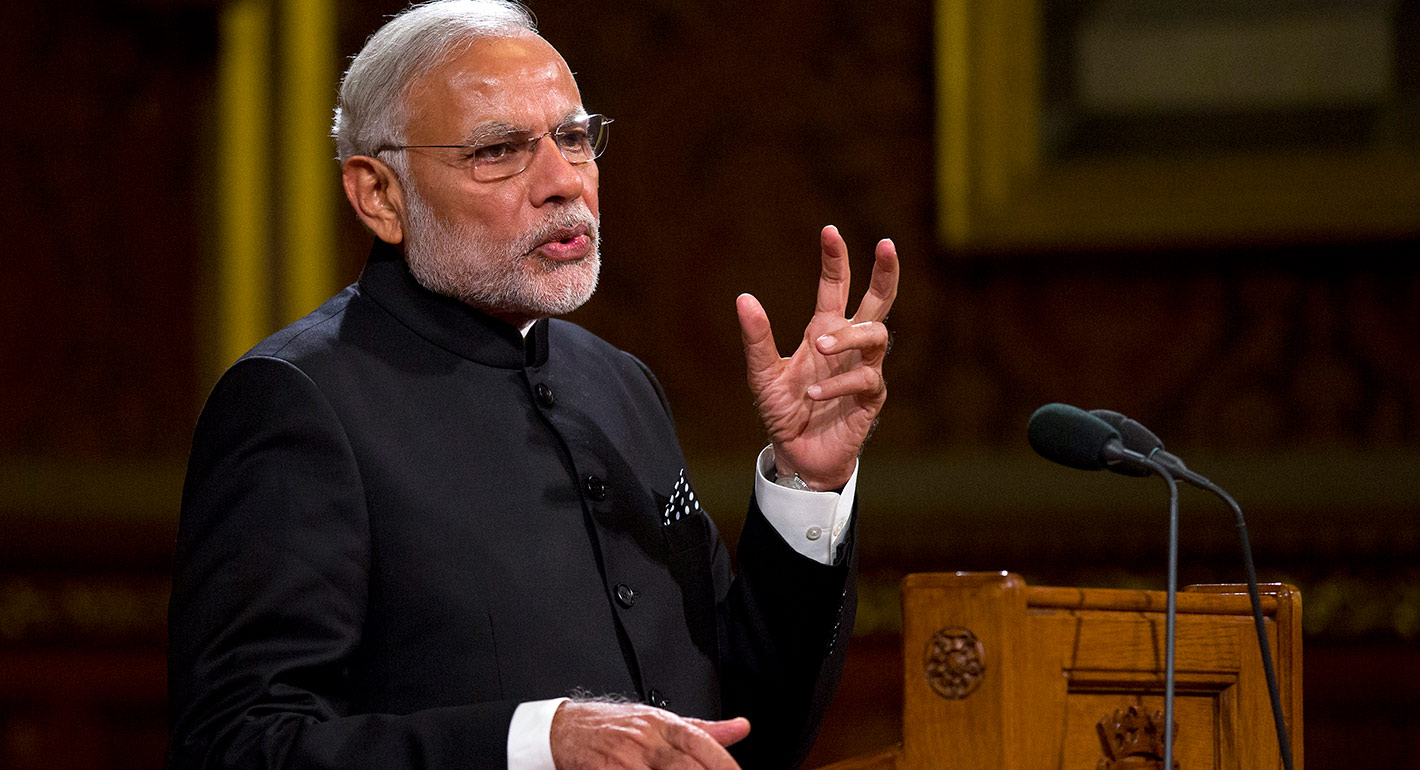
Source: Getty
In 2014, Modi came to power on the promise of an improved economy. As of 2019, India’s economic growth is slowing but Modi’s popularity appears to be intact. If the BJP cannot correct the course of the economy, it will eventually impact the BJP at the polls.
Source: Foreign Affairs
When India’s prime minister, Narendra Modi, ran for the top job five years ago, he campaigned as the country’s best hope for economic reform. The government he ran against, led by the Congress party, had mismanaged the economy, fallen into paralysis, and faced one major corruption scandal after another. Modi convinced voters that he was the answer to their economic woes. He spouted slogans like “minimum government, maximum governance” and promised that the “government has no business to be in business.” On the strength of such promises, he led his Bharatiya Janata Party (BJP) to a sweeping general election victory in 2014 and followed that with a landslide reelection in 2019.
Modi has enjoyed remarkable political success in that time. Public opinion surveys show that he is as popular today as he was five years ago. He has created the most powerful, centralized prime ministerial office since that of Prime Minister Indira Gandhi 35 years ago, concentrating many cabinet functions in the hands of close aides. Modi’s party has secured a second straight parliamentary majority and radically expanded its grip on India’s states: today, two-thirds of all state governments rest with the BJP or its allies. If current projections hold, the BJP and its allies could occupy a majority in India’s upper house of parliament—which must confirm major legislation passed in the lower house—by the end of next year.
The dominance of the BJP, however, has surprisingly little do with its economic track record. Modi has succeeded politically despite —not because of—the economy, which is in the midst of a protracted downturn that began on his watch. For his second term, the prime minister has doubled down on the grand economic promises he made in his 2014 campaign and gone still further, setting a goal of turning India into a $5 trillion economy by 2024. But his government has struggled to articulate just how it will bring about India’s economic renewal. While the prime minister has yet to pay a serious political price for this failure, he cannot count on the indefinite forbearance of Indian voters.

Director and Senior Fellow, South Asia Program
Milan Vaishnav is a senior fellow and director of the South Asia Program and the host of the Grand Tamasha podcast at the Carnegie Endowment for International Peace. His primary research focus is the political economy of India, and he examines issues such as corruption and governance, state capacity, federalism, and electoral behavior. He also conducts research on the Indian diaspora.
Recent Work
Christopher S. Chivvis, Rohan Mukherjee, Milan Vaishnav



Sophia Besch, Eric Ciaramella, Steve Feldstein, …
Carnegie does not take institutional positions on public policy issues; the views represented herein are those of the author(s) and do not necessarily reflect the views of Carnegie, its staff, or its trustees.

The armed forces champion a form of capitalism that is generating revenue, but its reliance on rent faces diminishing returns, leaving the country with massive sunk costs and deferred returns, deepening dependency on external borrowing.

Yezid Sayigh
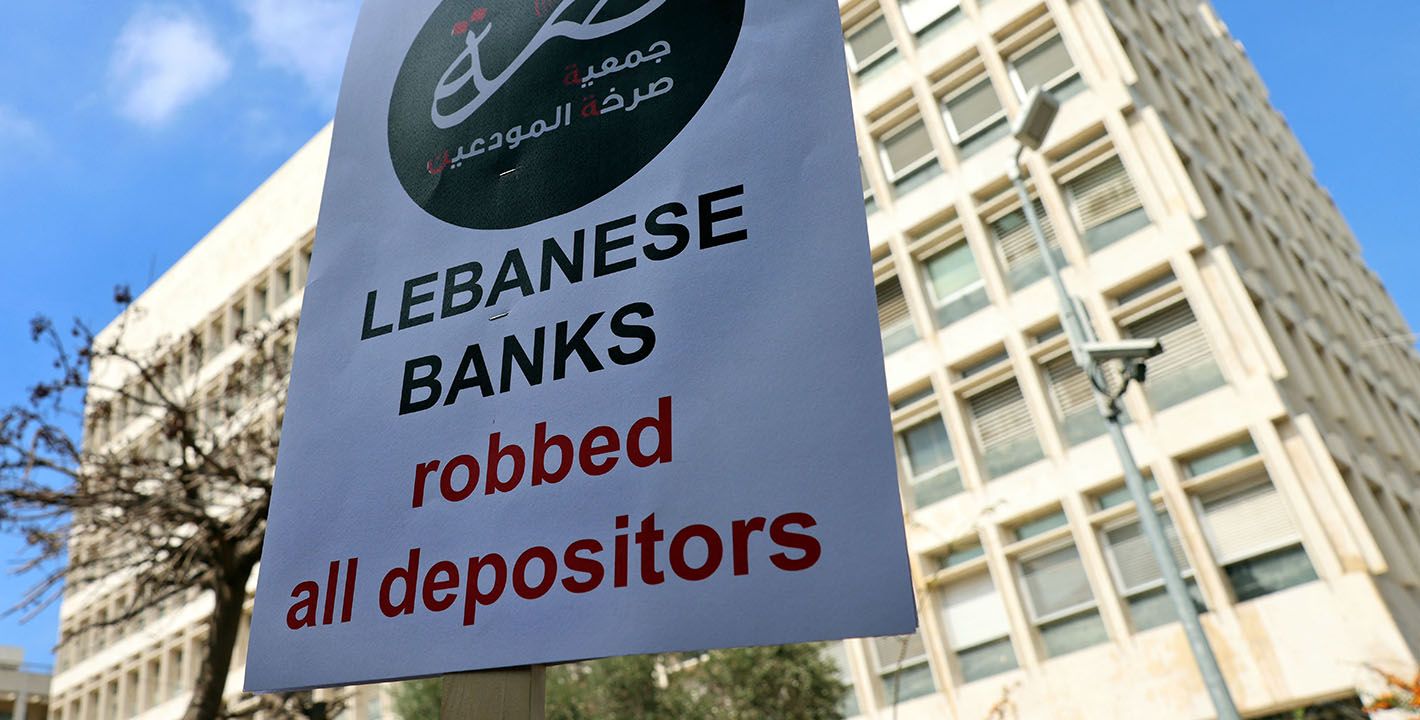
In an interview, Ishac Diwan looks at the merits and flaws in the draft legislation distributing losses from the financial collapse.

Michael Young
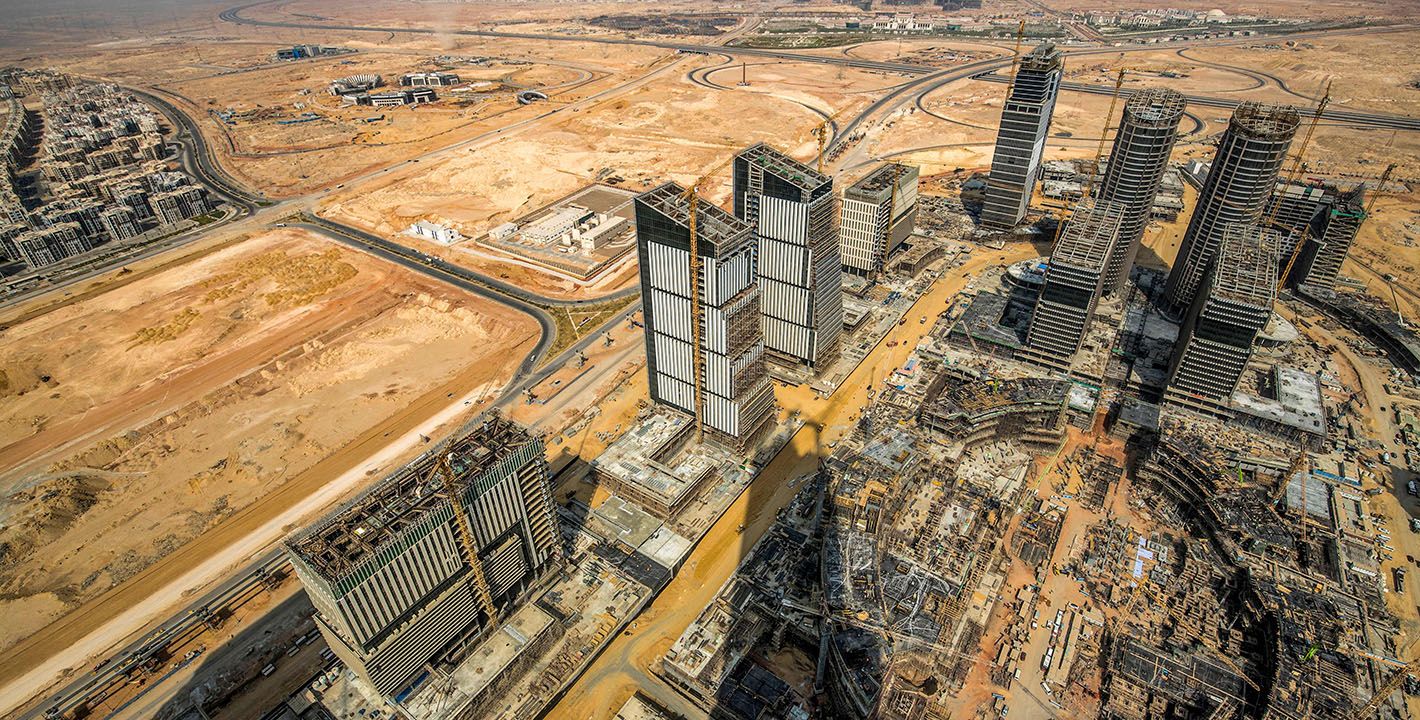
Mustaqbal Misr has expanded its portfolio with remarkable speed, but a lack of transparency remains.
Yezid Sayigh
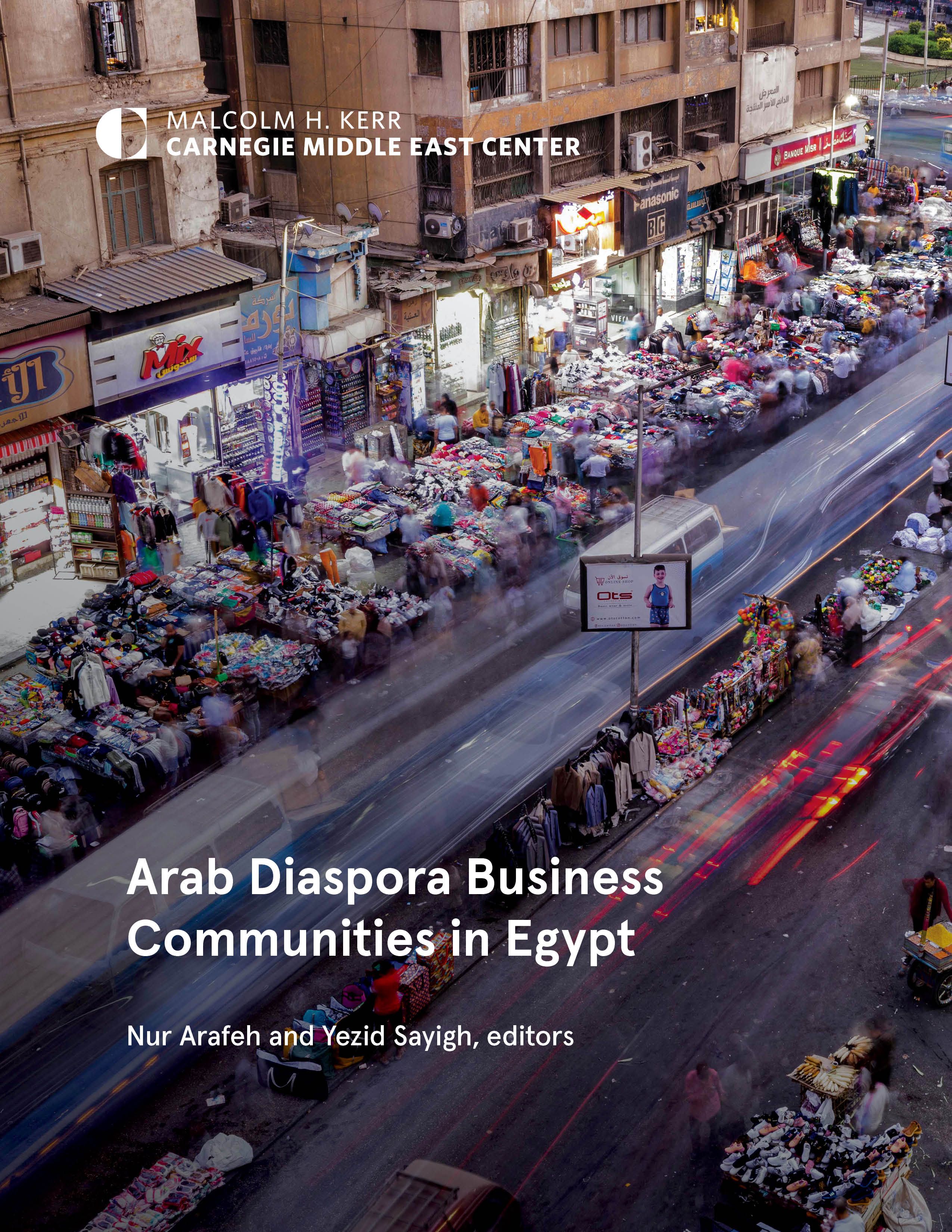
Arab diaspora business communities in Egypt often mirror the same systemic challenges facing Egyptian businesses.

Nur Arafeh, Yezid Sayigh, Qaboul al-Absi, …
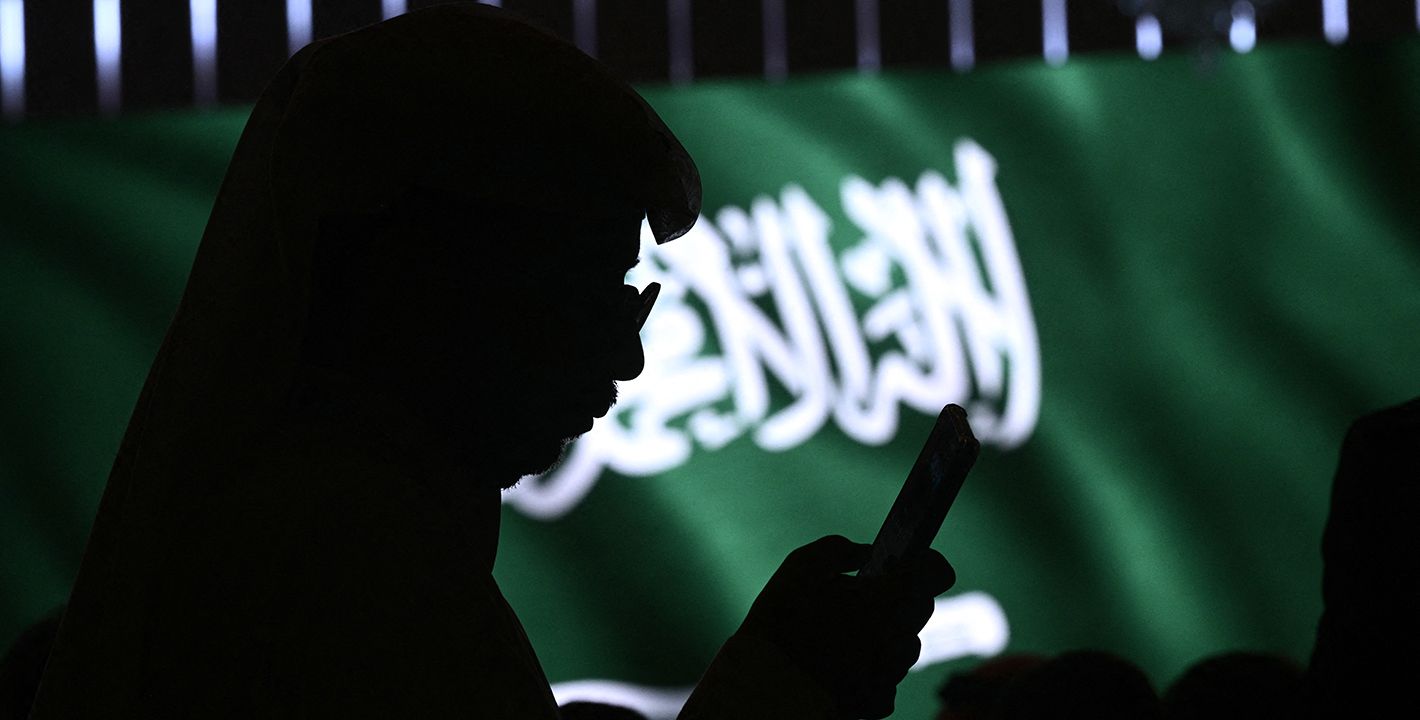
Largely characterized thus far by a single-minded focus on extractivism, Riyadh must commit to greater equitability in its approach to investment and development deals with Sudan, Ethiopia, and Eritrea.

Hesham Alghannam