

Other
François Godement, Ashley J. Tellis
{
  "authors": [
    "François Godement"
  ],
  "type": "legacyinthemedia",
  "centerAffiliationAll": "dc",
  "centers": [
    "Carnegie Endowment for International Peace"
  ],
  "collections": [],
  "englishNewsletterAll": "asia",
  "nonEnglishNewsletterAll": "",
  "primaryCenter": "Carnegie Endowment for International Peace",
  "programAffiliation": "AP",
  "programs": [
    "Asia"
  ],
  "projects": [],
  "regions": [
    "North America",
    "United States"
  ],
  "topics": [
    "Economy",
    "Trade"
  ]
}
Source: Getty
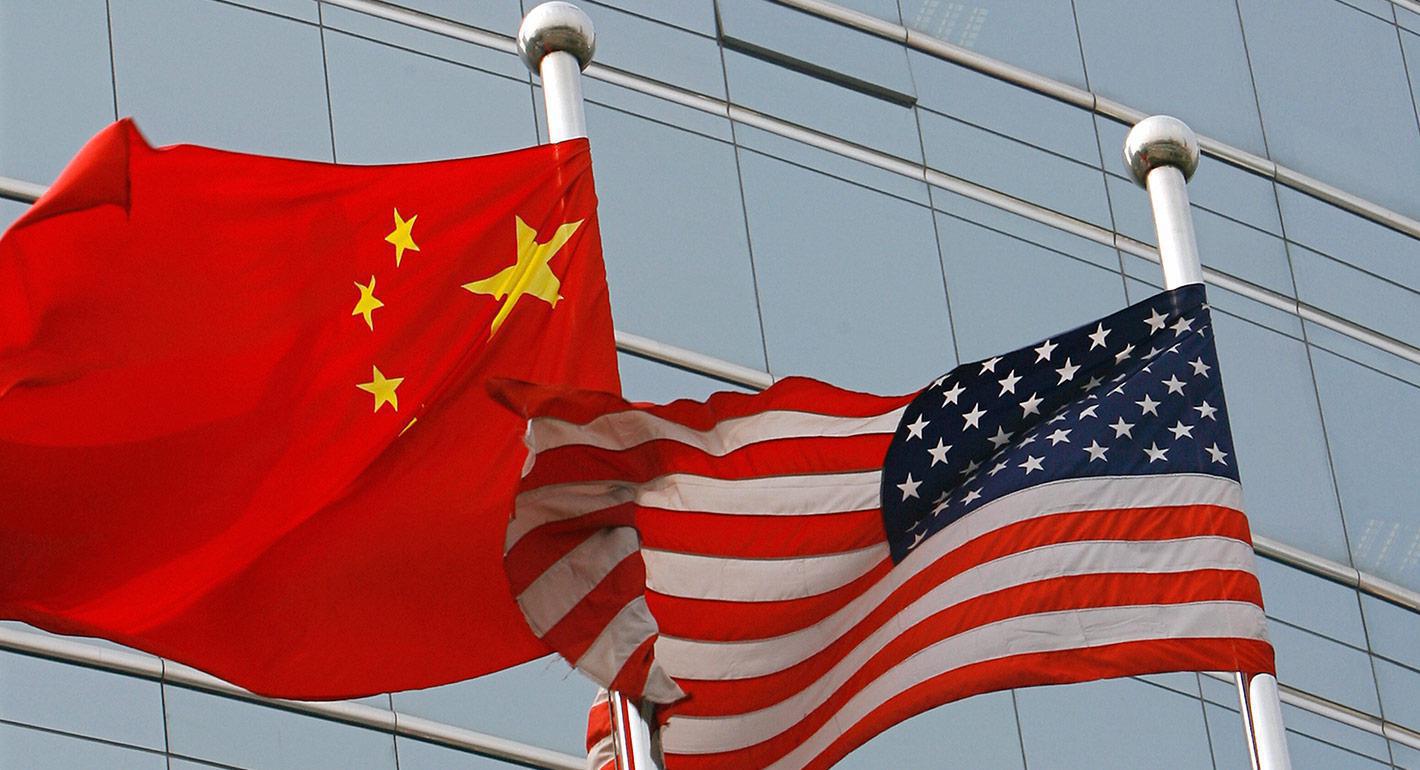
Chinese sources are showing varying views on trade tensions with the United States, both from different perspectives and over time: even the Party line itself may change.
Source: Institut Montaigne
Chinese sources cannot be directly compared with the analysis and opinions of Western economists since the media and, to a lesser extent, expert opinion are controlled by the Party-state. Yet there have been varying views, both from different perspectives and over time: even the Party line itself may change. The tone can range from realist caution to war cries – indeed, one of our sources uses the term "war" 54 times in the course of one single article.
According to the CNKI (China National Knowledge Infrastructure), the largest academic online library in China, more than 3000 pieces were published on these trade frictions between 1982 and October 2018. More notably, 1800 out of 3000 were published in only nine months of 2018… Our selection runs from the spring of 2018 to the fall of 2019, covering only a tiny fraction of publications. Earlier views – from the spring of 2017, when Donald Trump raised the trade issue and the possibility of tariffs – had generally been optimistic, based on China’s economic strength and also on the belief that China could deal with a savvy businessman turned president.
In April 2018, after Donald Trump announces a 25% tariff increase on 50 billion USD of Chinese goods, the tone is more subdued. One view, taking into account rising tech barriers, explains that "the US overall strength still prevails, and there are still obvious shortcomings in China’s technologies".1 Another view underlines that China’s large trade surplus puts the country in a disadvantageous bargaining position. To minimize losses and constrain the US, explains the author, it should shift the battle field and pick the weak point in the US position: finance. For the author, the logic is simple: America is a deficit spending country, its lack of money and debt financing model are fatal weaknesses. China on the other hand has abundant capital.
This article was originally published by Institut Montaigne.

Former Nonresident Senior Fellow, Asia Program
Godement, an expert on Chinese and East Asian strategic and international affairs, was a nonresident senior fellow in the Asia Program at the Carnegie Endowment for International Peace.
Recent Work
François Godement, Ashley J. Tellis

François Godement, Abigaël Vasselier
Carnegie does not take institutional positions on public policy issues; the views represented herein are those of the author(s) and do not necessarily reflect the views of Carnegie, its staff, or its trustees.

In an interview, Rozina Ali discusses her new book on the rise and manifestations of Islamophobia in the United States.

Michael Young

In an interview, Ian Lustick and Eli Clifton discuss their new book on why a prominent ally has so much influence in America.
Michael Young

As the U.S. stumbles in its war with Iran, we are likely to see an acceleration of its disengagement from the region.
Michael Young

Middle Eastern states should welcome an accelerated U.S. disengagement from their region.
Michael Young

In an interview, former ambassador Charles Freeman assesses the Trump administration’s war against Iran.
Michael Young