

Research
- +4
Milan Vaishnav, Rahul Verma, Rukmini S., …
{
  "authors": [
    "Christophe Jaffrelot"
  ],
  "type": "other",
  "centerAffiliationAll": "dc",
  "centers": [
    "Carnegie Endowment for International Peace"
  ],
  "collections": [],
  "englishNewsletterAll": "ctw",
  "nonEnglishNewsletterAll": "",
  "primaryCenter": "Carnegie Endowment for International Peace",
  "programAffiliation": "SAP",
  "programs": [
    "South Asia"
  ],
  "projects": [],
  "regions": [
    "South Asia",
    "India"
  ],
  "topics": [
    "Economy"
  ]
}
Source: Getty
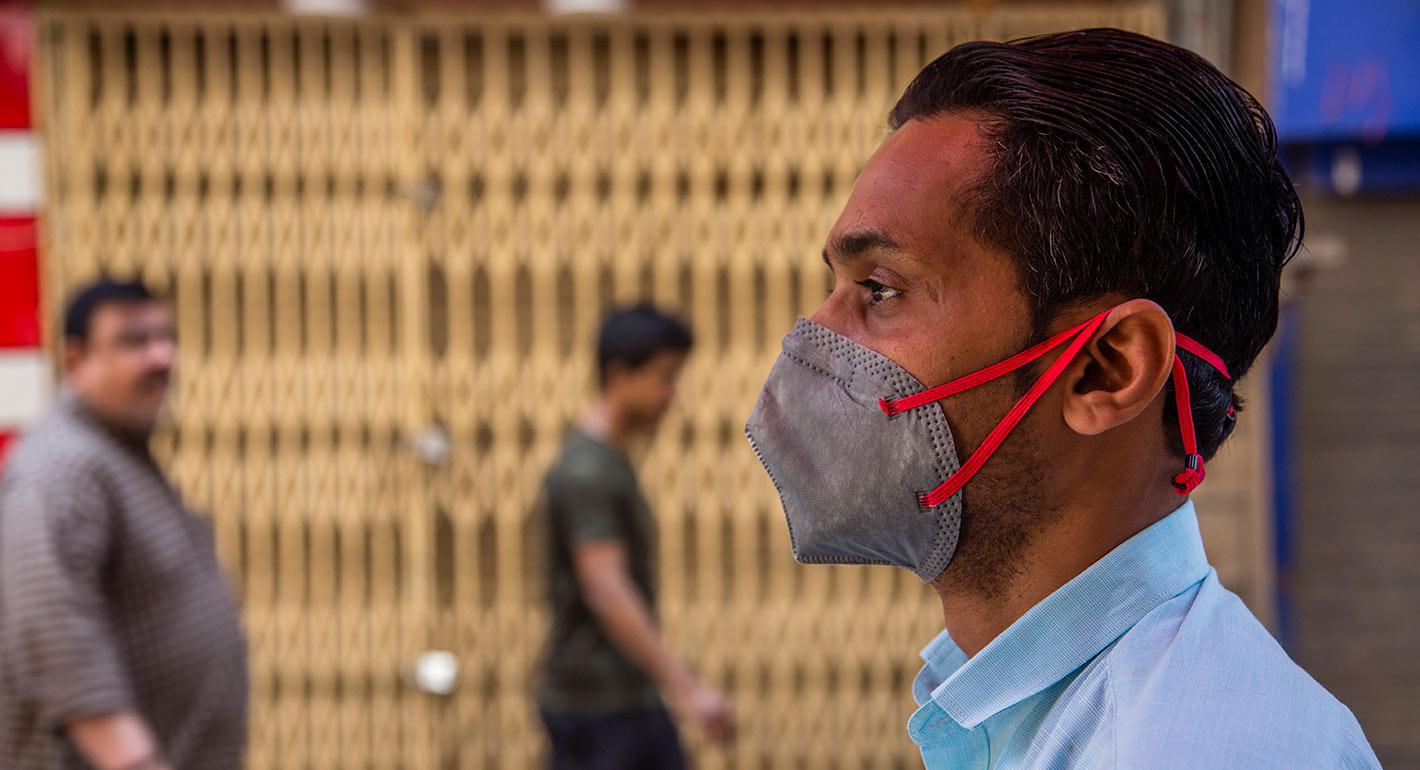
The Indian economy that is facing the COVID-related crisis today was already badly affected by an under reported slowdown for more than one year.
Source: Institut Montaigne
The Indian economy that is facing the COVID-related crisis today was already badly affected by an under reported slowdown for more than one year. This state of things complicates the government’s response - that is not, today, proportionate to the challenge.1
It was just yesterday that the IMF was congratulating India for being a driving force of the global economy, with growth rates flirting with 8% in 2016. The economic slowdown that hit the country in 2017-2019 divided this rate by almost two – as the growth rate for the fiscal year 2019-2020 as been only 4.2% according to the Indian government, after a steady decline, month after month (the growth rate of the last quarter, from January to March 2020, was only 3.1%). This decline, that came as a surprise, deserves examination, going beyond explanations focused on the artificial inflation of Indian performance by the authorities.2 The issue of transparency with the manipulation of figures adds to problems linked with the non-publication of certain statistics, including unemployment and consumption figures. Yet, this still does not explain the signs of an economic and social crisis that appeared in 2019.
Using the most reliable data available, we will first try to assess the extent of the 2017-19 slowdown and its social and fiscal consequences before looking at the impact of the COVID-related crisis and the remedies implemented by the authorities since March 2020.
This policy brief was originally published by the Institut Montaigne.
1 I am grateful to Sreenivasan Subramanian, Bruno Dorin and Eve Colson-Sihra for their comments on an earlier version of this brief.
2 Indeed, by the very admission of Arvind Subramanian, the former Chief Economic Advisor of the Modi government who resigned in 2018, the real growth rate of the economy has been amplified by two and a half percentage points since 2015, the year in which the government adopted a new method of calculating GNP. If Subramanian is correct, India's growth rate in 2019 has been between 2 and 3% according to the old method of calculation.
Former Nonresident Scholar, South Asia Program
Jaffrelot’s core research focuses on theories of nationalism and democracy, mobilization of the lower castes and Dalits (ex-untouchables) in India, the Hindu nationalist movement, and ethnic conflicts in Pakistan.
Recent Work

Milan Vaishnav, Rahul Verma, Rukmini S., …
Christophe Jaffrelot
Carnegie does not take institutional positions on public policy issues; the views represented herein are those of the author(s) and do not necessarily reflect the views of Carnegie, its staff, or its trustees.

The armed forces champion a form of capitalism that is generating revenue, but its reliance on rent faces diminishing returns, leaving the country with massive sunk costs and deferred returns, deepening dependency on external borrowing.

Yezid Sayigh
In an interview, Ishac Diwan looks at the merits and flaws in the draft legislation distributing losses from the financial collapse.

Michael Young
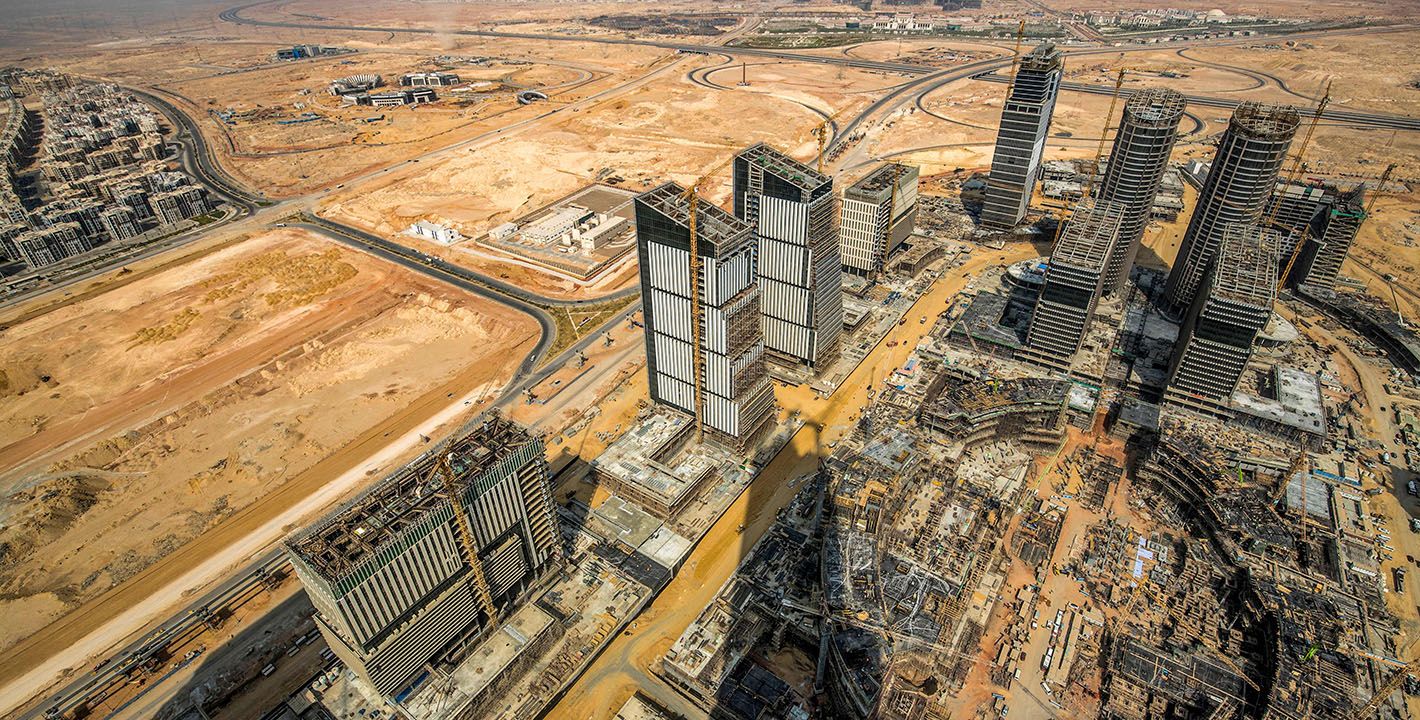
Mustaqbal Misr has expanded its portfolio with remarkable speed, but a lack of transparency remains.
Yezid Sayigh
Arab diaspora business communities in Egypt often mirror the same systemic challenges facing Egyptian businesses.

Nur Arafeh, Yezid Sayigh, Qaboul al-Absi, …
Largely characterized thus far by a single-minded focus on extractivism, Riyadh must commit to greater equitability in its approach to investment and development deals with Sudan, Ethiopia, and Eritrea.

Hesham Alghannam