

Commentary
The perception that the United States is seeking the removal of the North Korean and Iranian governments has negative effects that remain underappreciated in Washington
George Perkovich
{
  "authors": [
    "Megan DuBois"
  ],
  "type": "legacyinthemedia",
  "centerAffiliationAll": "dc",
  "centers": [
    "Carnegie Endowment for International Peace"
  ],
  "collections": [
    "Korean Peninsula"
  ],
  "englishNewsletterAll": "ctw",
  "nonEnglishNewsletterAll": "",
  "primaryCenter": "Carnegie Endowment for International Peace",
  "programAffiliation": "NPP",
  "programs": [
    "Nuclear Policy"
  ],
  "projects": [],
  "regions": [],
  "topics": []
}
REQUIRED IMAGE
By focusing exclusively on the traditional hard power implications of North Korea’s missile systems, analysts are missing much of Pyongyang’s strategy.
Megan DuBois
Former Nonresident Research Analyst, Nuclear Policy Program
Megan DuBois is a nonresident research analyst in the Carnegie Nuclear Policy Program.
Carnegie does not take institutional positions on public policy issues; the views represented herein are those of the author(s) and do not necessarily reflect the views of Carnegie, its staff, or its trustees.

The perception that the United States is seeking the removal of the North Korean and Iranian governments has negative effects that remain underappreciated in Washington

George Perkovich
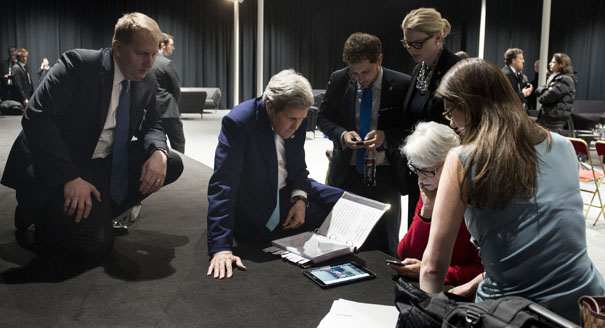
Unlike North Korea, Iran may well be motivated to live up to the terms of its nuclear deal, while the United States may find it even more difficult to deliver.
George Perkovich
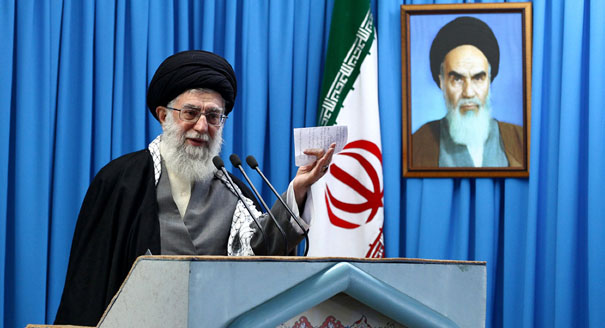
A nuclear weapon in the hands of Iran is by no means inevitable.

Mark Hibbs