

Paper
- +1
Christian Ruhl, Duncan B. Hollis, Wyatt Hoffman, …
{
  "authors": [
    "Duncan B. Hollis"
  ],
  "type": "legacyinthemedia",
  "centerAffiliationAll": "dc",
  "centers": [
    "Carnegie Endowment for International Peace"
  ],
  "collections": [],
  "englishNewsletterAll": "ctw",
  "nonEnglishNewsletterAll": "",
  "primaryCenter": "Carnegie Endowment for International Peace",
  "programAffiliation": "TIA",
  "programs": [
    "Technology and International Affairs"
  ],
  "projects": [],
  "regions": [
    "Iran"
  ],
  "topics": [
    "Technology"
  ]
}
REQUIRED IMAGE
In the past few months, nothing has reminded everyone of the etymology of the expression “computer virus” like ransomware. This form of malicious code is delivered through a vulnerability in the victim’s system, such as a phishing email or password spraying, infiltrating and potentially crippling it like a disease.
Nonresident Scholar, Technology and International Affairs Program
Duncan B. Hollis was a nonresident scholar at the Carnegie Endowment for International Peace and the James E. Beasley professor of law at Temple Law School, where he also serves as the associate dean for academic affairs.
Recent Work
Christian Ruhl, Duncan B. Hollis, Wyatt Hoffman, …
Carnegie does not take institutional positions on public policy issues; the views represented herein are those of the author(s) and do not necessarily reflect the views of Carnegie, its staff, or its trustees.

Huawei pushed hard to enter the Egyptian data centers market, until the Americans made a better offer.

Angie Omar

Middle Eastern states should welcome an accelerated U.S. disengagement from their region.

Michael Young

In an interview, former ambassador Charles Freeman assesses the Trump administration’s war against Iran.
Michael Young

Morocco and Algeria, each in its own way, are having to navigate the global economic fallout of the U.S.-Israeli military campaign against Iran.

Yasmine Zarhloule
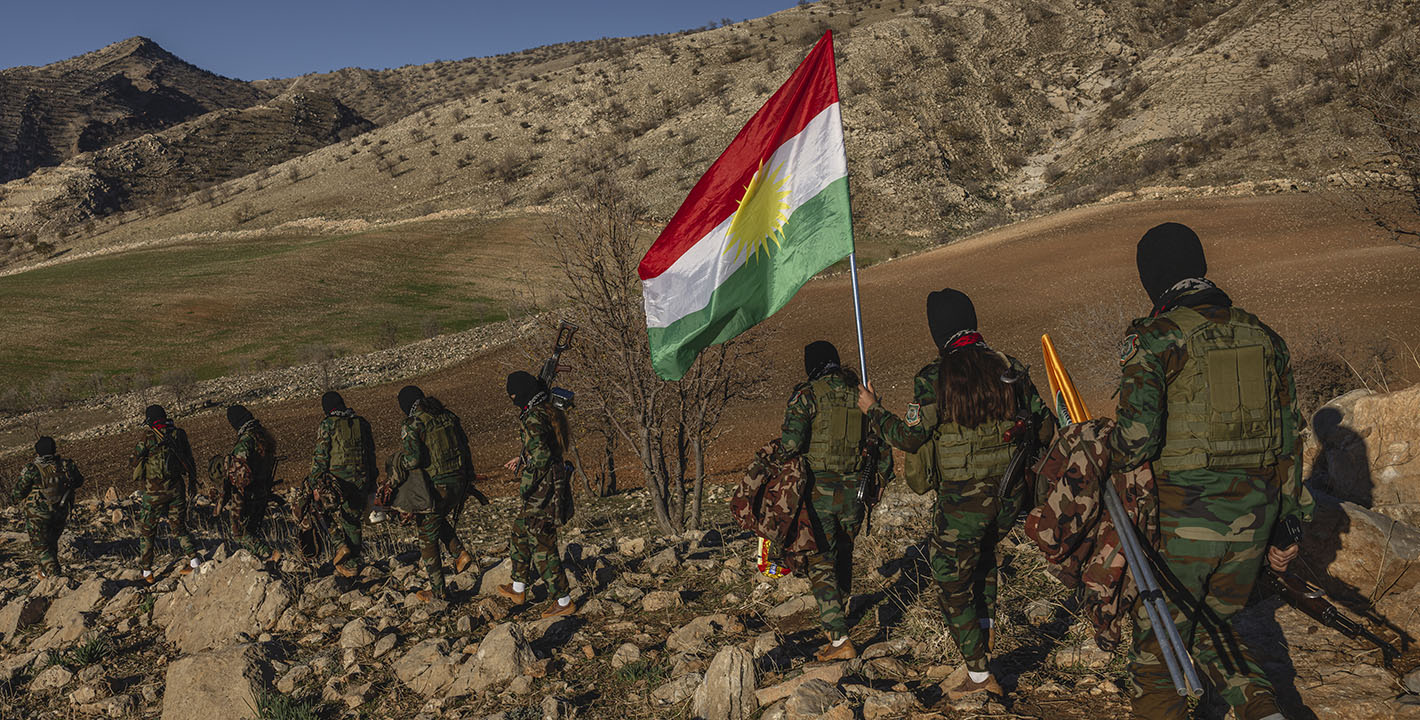
Following its deal with the United States, Iran may act against Iraq-based dissidents.
Wladimir van Wilgenburg