
• Research
  • Diwan
  • About
  • Experts
Carnegie Middle East logoCarnegie lettermark logo
PalestineSyria
{
  "authors": [
    "Zainab Usman",
    "Alexander Csanadi"
  ],
  "type": "commentary",
  "centerAffiliationAll": "dc",
  "centers": [
    "Carnegie Endowment for International Peace"
  ],
  "collections": [
    "Chart of the Month",
    "Trade and Investment"
  ],
  "englishNewsletterAll": "africa",
  "nonEnglishNewsletterAll": "",
  "primaryCenter": "Carnegie Endowment for International Peace",
  "programAffiliation": "AFP",
  "programs": [
    "Africa"
  ],
  "projects": [],
  "regions": [
    "Southern, Eastern, and Western Africa"
  ],
  "topics": [
    "Economy"
  ]
}

Source: Getty

Commentary

Latest Milestone for the African Continental Free Trade Area: The Pan-African Payment and Settlement System

In the long run, PAPSS could also substantially reduce dependence on external currencies, and the associated financial volatilities. Cross-border transactions such as remittance transfer by migrants within Africa and exchanges among small businesses should be easier, quicker, and cheaper.

Link Copied
By Zainab Usman and Alexander Csanadi
Published on Feb 7, 2022

The Pan-African Payment and Settlement System (PAPSS) launched for commercial use on January 13, 2022, following a successful operational pilot in six West African countries. PAPSS is the result of a joint initiative between the African Continental Free Trade Area (AfCFTA) Secretariat, the African Export-Import Bank, and the African Union (AU), and is the latest step in operationalizing the AfCFTA. PAPSS is a financial platform that supports three core functions: instant payment, pre-funding, and net settlement. PAPSS is also helping to harmonize the legal and regulatory environment across the continent and support the larger AfCFTA objective of promoting intra-African trade.

The platform works in conjunction with central banks to facilitate direct transactions among the more than forty currencies used throughout the continent. In other words, PAPSS allows African currencies to be convertible within the continent without having to rely on intermediary currencies, like dollars, euros, or pounds. Use of these third-party currencies generates not only significant time lags, but also substantial costs from the conversion process. Currency conversions cost Africa as much as $5 billion annually according to Secretary General Wamkele Mene of the AfCFTA Secretariat. By removing the need for this process, PAPSS will allow those funds to remain within the continent. In the long run, PAPSS could also substantially reduce dependence on external currencies, and the associated financial volatilities. Cross-border transactions such as remittance transfer by migrants within Africa and exchanges among small businesses should be easier, quicker, and cheaper.

PAPSS is the latest milestone in the implementation of the AfCFTA ecosystem. A pan-African payment and settlement system is just one of the five key instruments supporting the AfCFTA. The other instruments include rules of origin to determine which products and services can be traded duty free; tariff concessions, beginning with 90 percent liberalization; an online monitoring mechanism to help eliminate non-tariff barriers; and the African Trade Observatory, a portal designed to help fill information and data gaps.

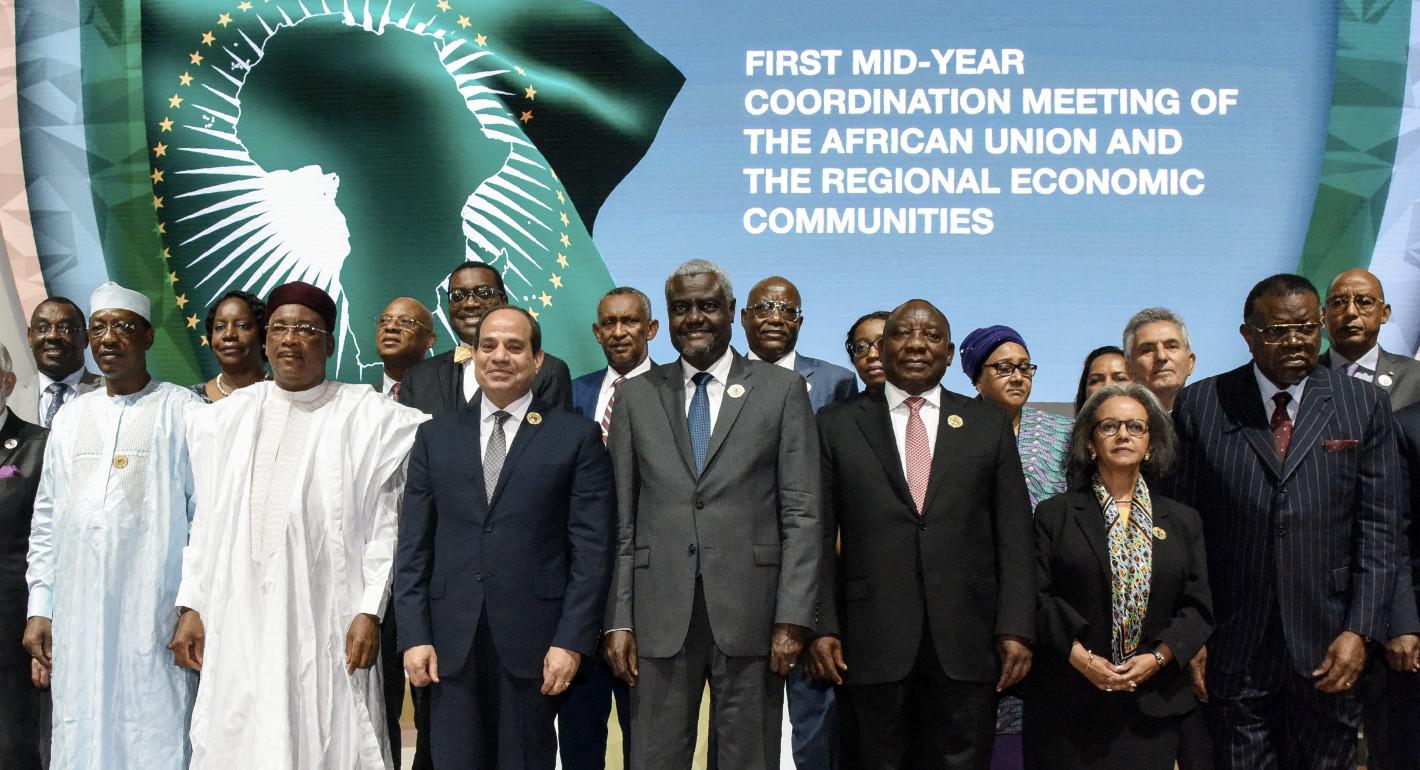
Coordinating all of this is no small feat. The AfCFTA will be the world’s largest free trade area since the formation of the WTO­­. It covers a population of 1.3 billion that is growing rapidly. Despite the challenges—which include the onset of the COVID-19 pandemic and the often divergent trade interests of African countries—trading under the AfCFTA began in January 2021. The AfCFTA agreement has been signed by fifty-four of the fifty-five AU member states (Eritrea being the only exception), with forty of these countries having made their ratification deposits with the chair of the AU Commission. While much progress has been made, the continued evolution of the AfCFTA and its ancillary instruments remains a critical component of the AU’s Agenda 2063. PAPSS is the latest step in this journey.

Authors

Zainab Usman
Former Director, Africa Program
Zainab Usman
Alexander Csanadi
Former Research Analyst, Africa Program
EconomySouthern, Eastern, and Western Africa

Carnegie does not take institutional positions on public policy issues; the views represented herein are those of the author(s) and do not necessarily reflect the views of Carnegie, its staff, or its trustees.

More Work from Malcolm H. Kerr Carnegie Middle East Center

  • Commentary
    Diwan
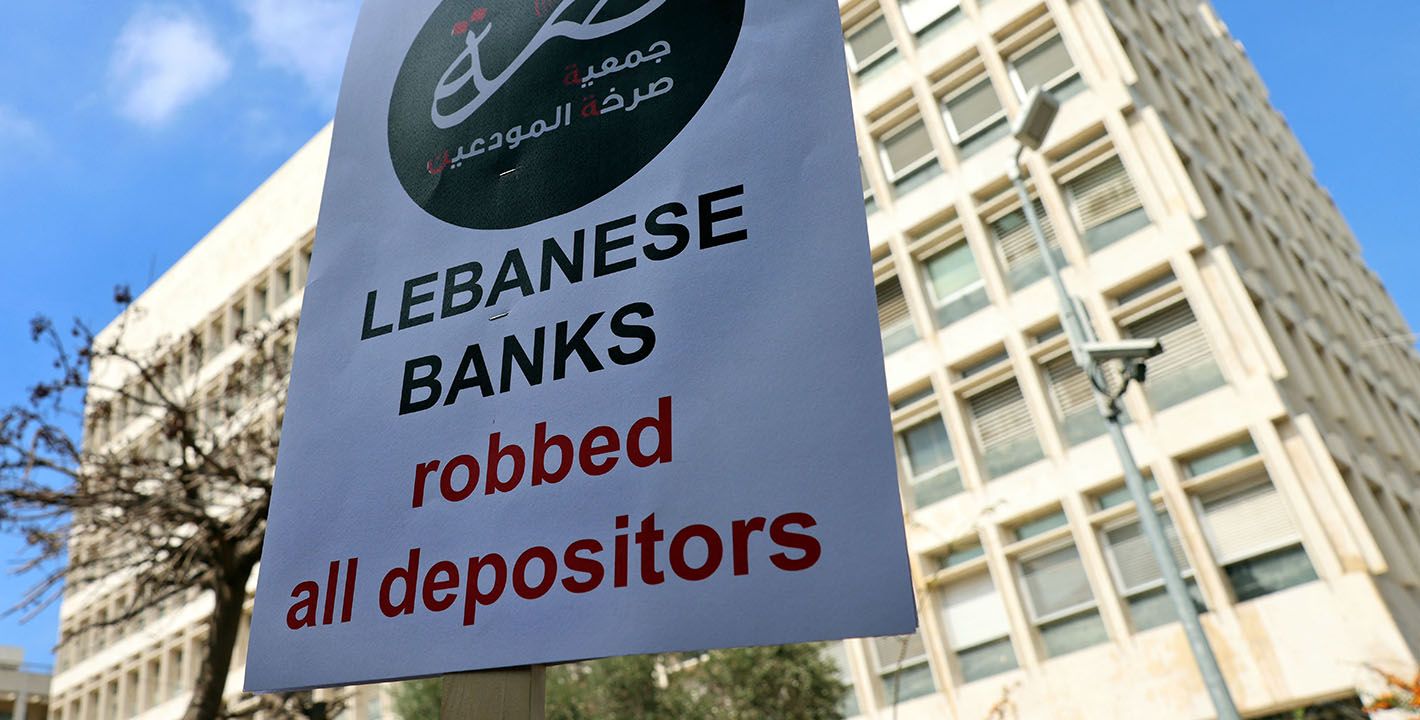
    Unpacking Lebanon’s Gap Law

    In an interview, Ishac Diwan looks at the merits and flaws in the draft legislation distributing losses from the financial collapse.

      Michael Young

  • Commentary
    Diwan
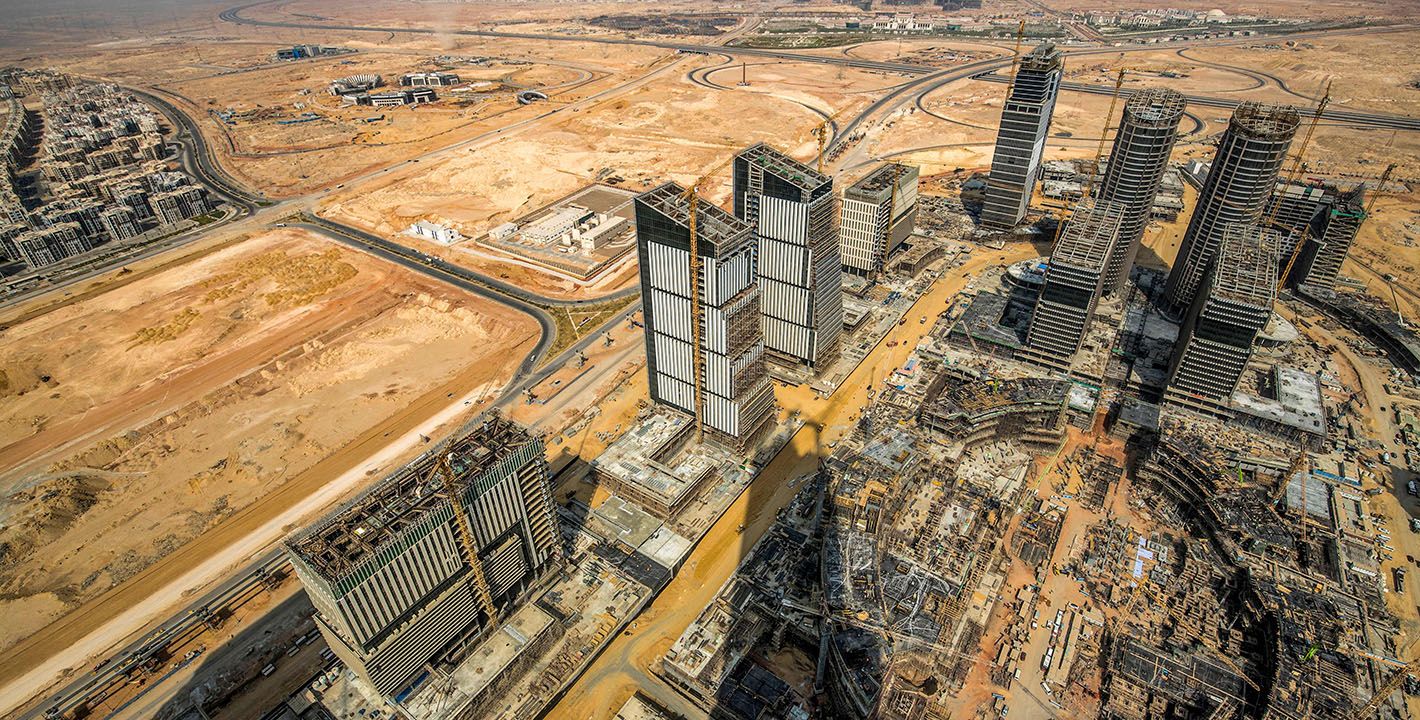
    Has Sisi Found a Competent Military Entrepreneur?

    Mustaqbal Misr has expanded its portfolio with remarkable speed, but a lack of transparency remains.

      Yezid Sayigh

  • Research
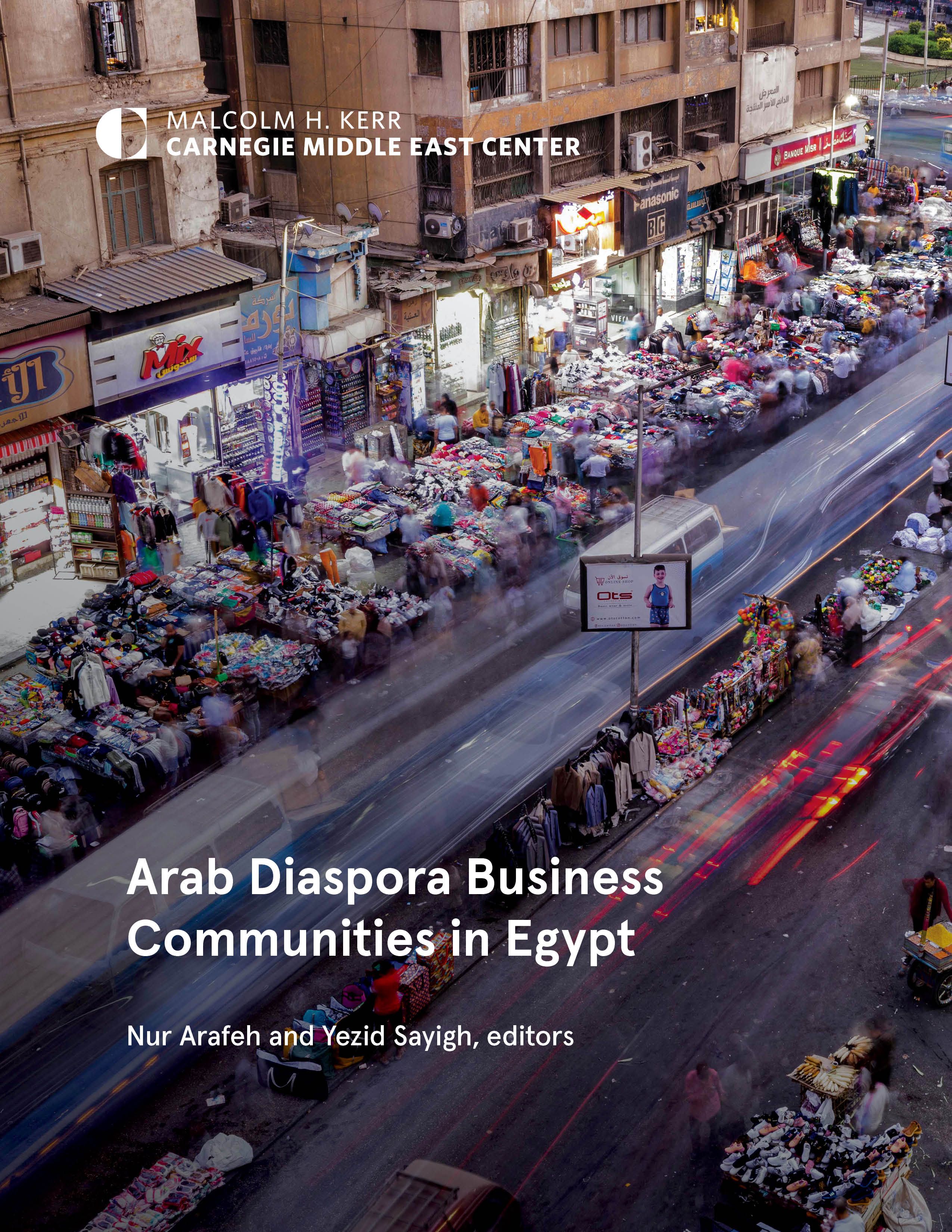
    Arab Diaspora Business Communities in Egypt

    Arab diaspora business communities in Egypt often mirror the same systemic challenges facing Egyptian businesses.

      • +4

      Nur Arafeh, Yezid Sayigh, Qaboul al-Absi, …

  • Article
    Saudi Arabia in Africa: Sound Economic and Geopolitical Strategy, or Resource Exploitation?

    Largely characterized thus far by a single-minded focus on extractivism, Riyadh must commit to greater equitability in its approach to investment and development deals with Sudan, Ethiopia, and Eritrea.

      Hesham Alghannam

  • Commentary
    Diwan
    Between the Sahel and the Maghreb

    The Moroccan-Algerian rivalry is playing itself out in ties with Burkina Faso, Niger, and Mali.

      Yasmine Zarhloule

Get more news and analysis from
Malcolm H. Kerr Carnegie Middle East Center
Carnegie Middle East logo, white
  • Research
  • Diwan
  • About
  • Experts
  • Projects
  • Events
  • Contact
  • Careers
  • Privacy
  • For Media
Get more news and analysis from
Malcolm H. Kerr Carnegie Middle East Center
© 2026 Carnegie Endowment for International Peace. All rights reserved.