

Article
Zainab Usman
{
  "authors": [
    "Zainab Usman"
  ],
  "type": "legacyinthemedia",
  "centerAffiliationAll": "dc",
  "centers": [
    "Carnegie Endowment for International Peace"
  ],
  "collections": [],
  "englishNewsletterAll": "africa",
  "nonEnglishNewsletterAll": "",
  "primaryCenter": "Carnegie Endowment for International Peace",
  "programAffiliation": "AFP",
  "programs": [
    "Africa"
  ],
  "projects": [],
  "regions": [
    "Southern, Eastern, and Western Africa"
  ],
  "topics": []
}
REQUIRED IMAGE
Hailing from Africa or at least having strong familial ties to the continent “helps bring a very different perspective”, she says, most notably when it comes to seeing opportunities that foreigners – including well-meaning westerners – often miss.
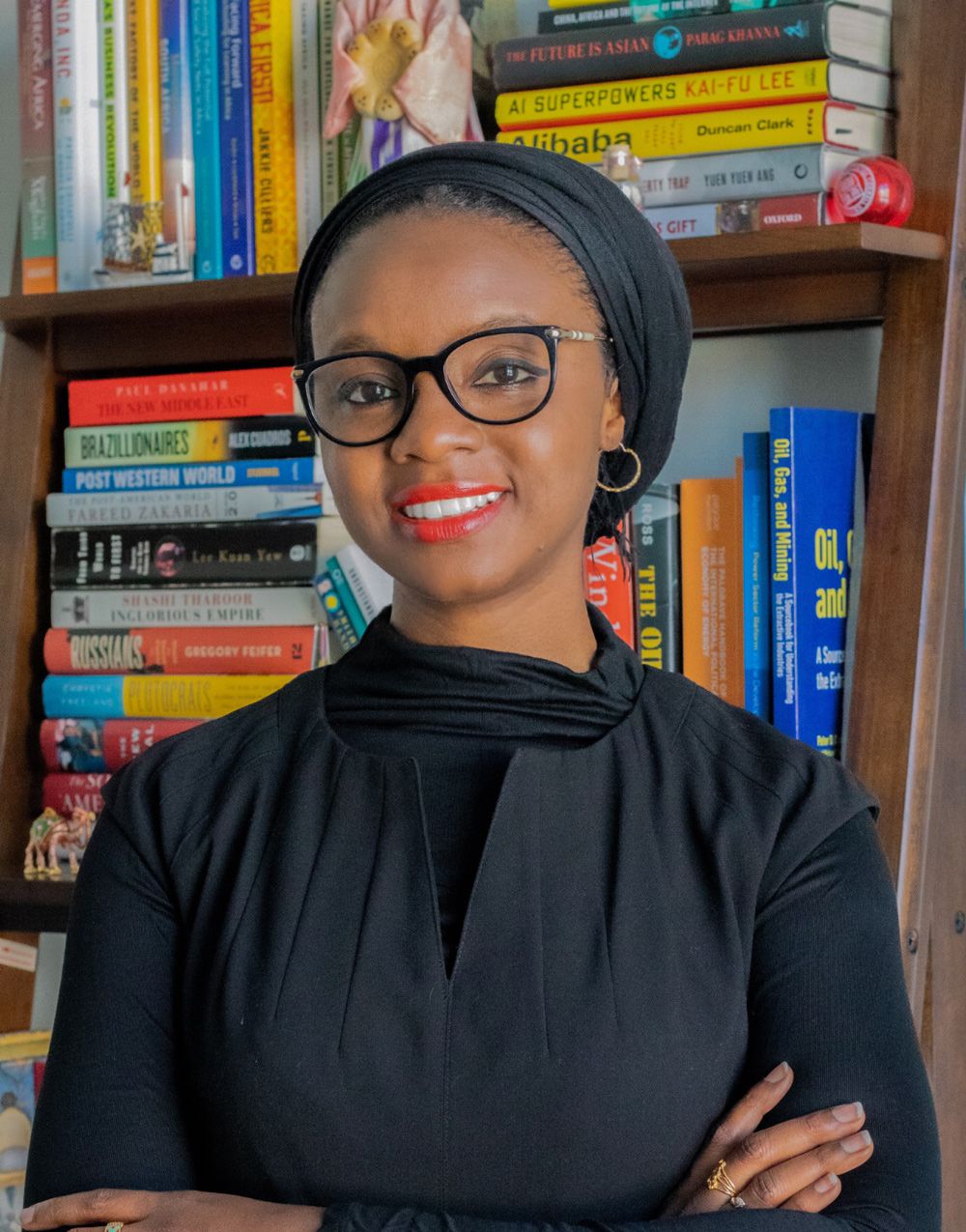
Former Director, Africa Program
Zainab Usman was a senior fellow and the inaugural director of the Africa Program at the Carnegie Endowment for International Peace.
Recent Work
Zainab Usman, Anthony Carroll
Carnegie does not take institutional positions on public policy issues; the views represented herein are those of the author(s) and do not necessarily reflect the views of Carnegie, its staff, or its trustees.
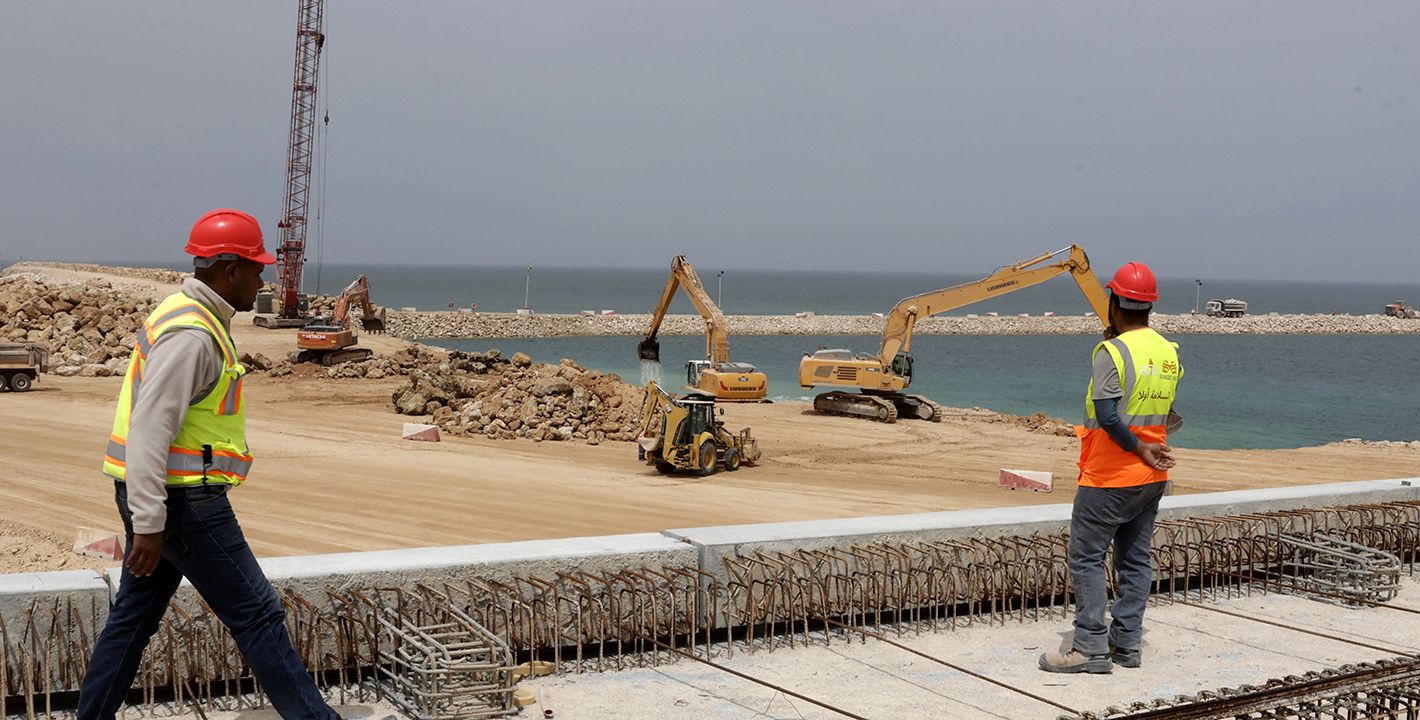
The Moroccan-Algerian rivalry is playing itself out in ties with Burkina Faso, Niger, and Mali.

Yasmine Zarhloule
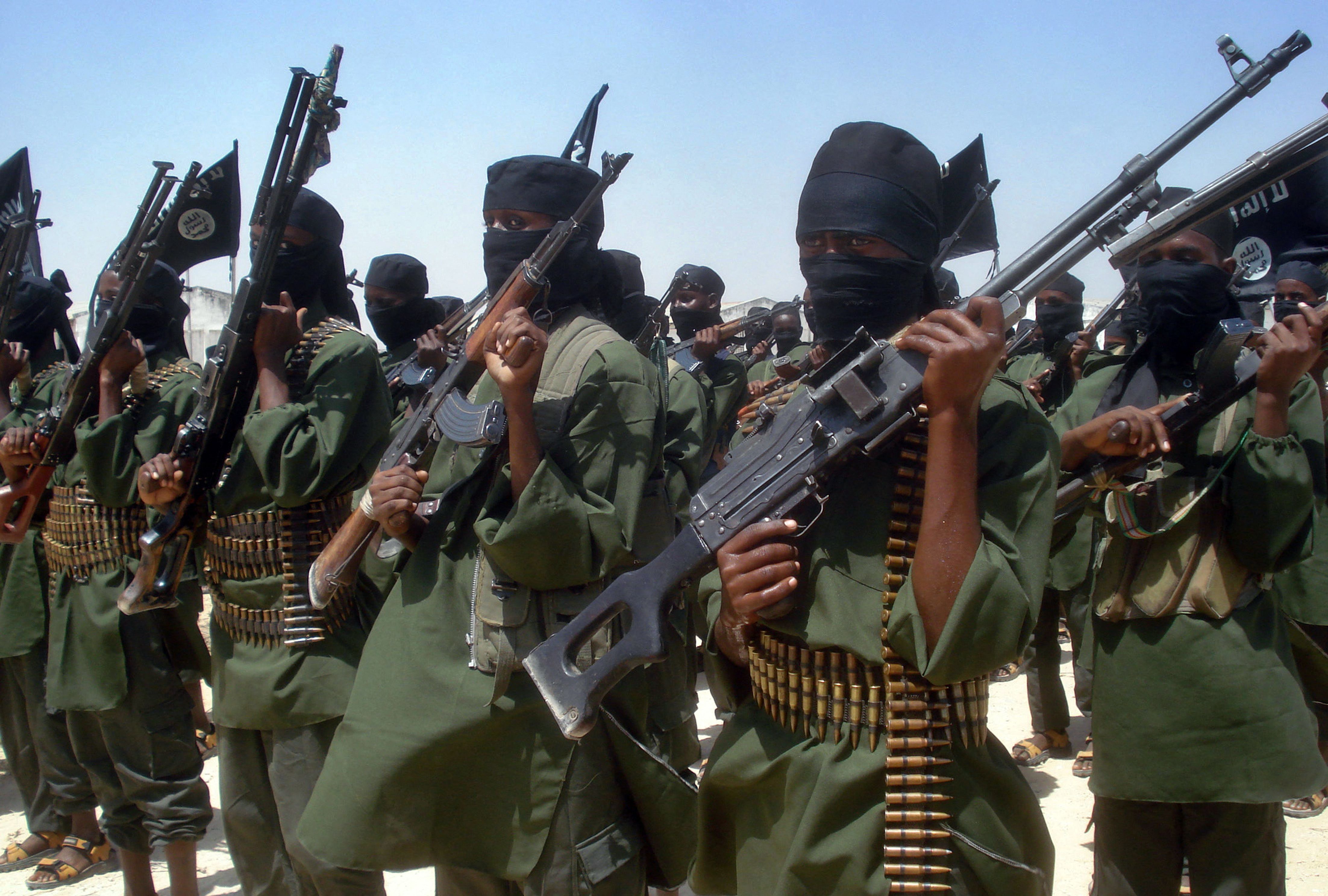
The Yemeni group, like its main backer Iran, has established contacts with al-Shabab and the Islamic State in Somalia, showing how pragmatism prevails when geopolitical goals demand it, and all sides share an enmity for the United States and Israel.
Ibrahim Jalal, Adnan al-Jabarni
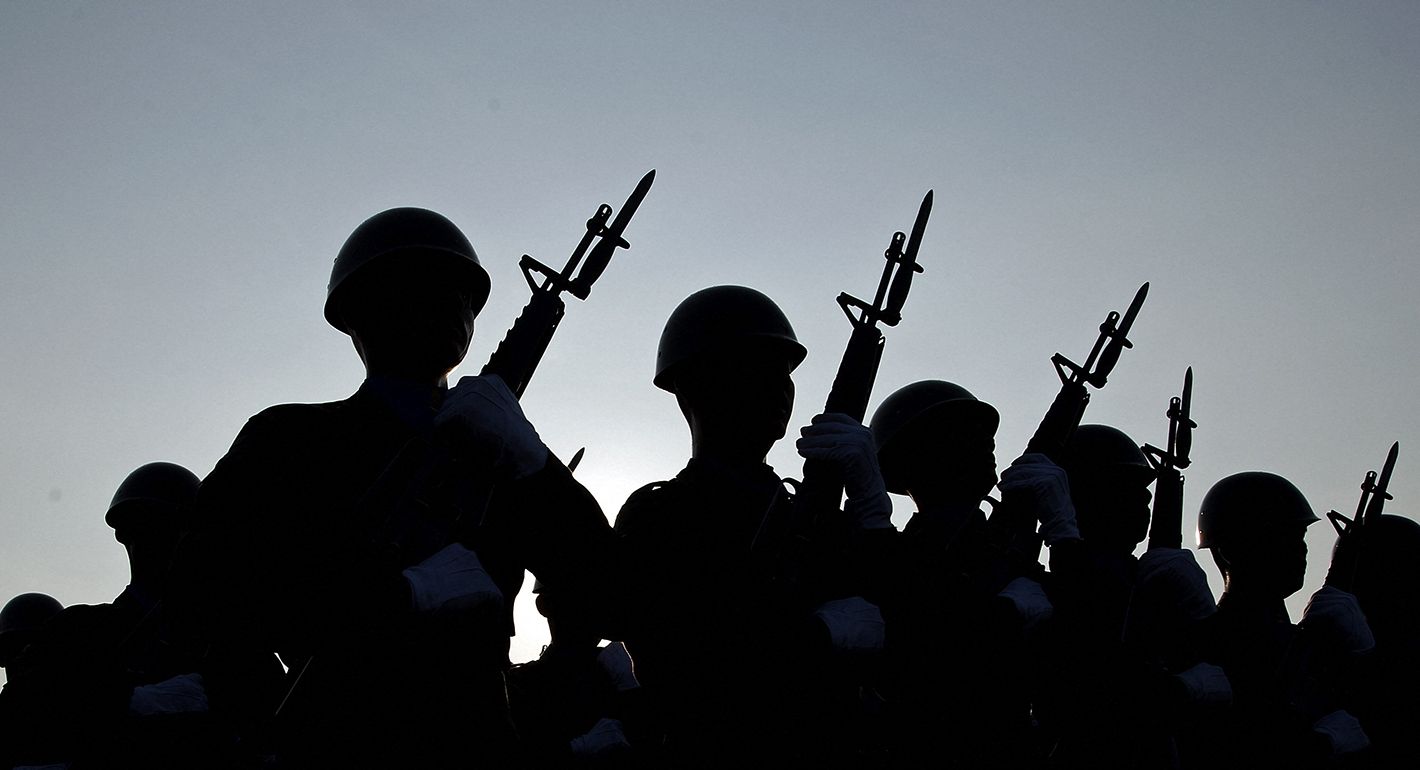
The interaction of national armed forces and private business sectors offers a useful lens for viewing the politics of numerous countries of the so-called Global South. A rising trend of military political activism—often accompanied by military commercial activity—underlines the importance of drivers and outcomes in these relationships.

Yezid Sayigh, Hamza Meddeb
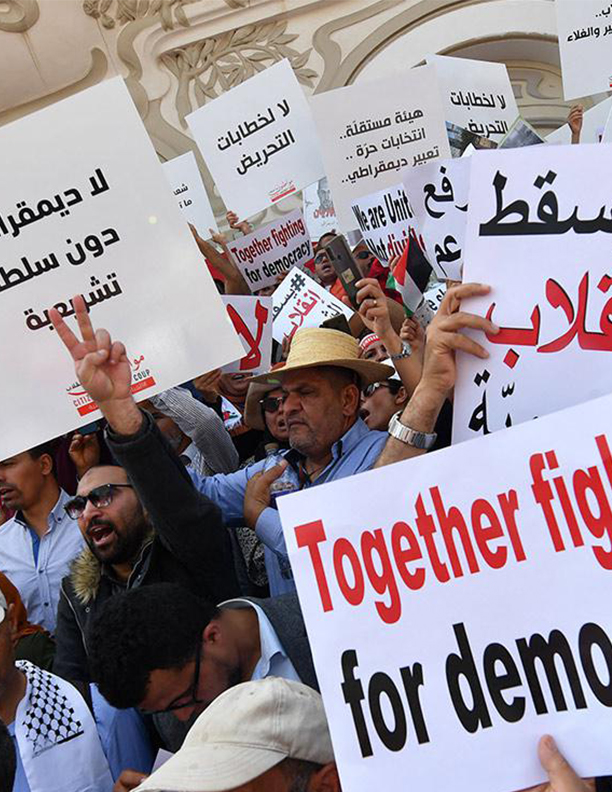
One year ago, Tunisian President Kais Saied’s self-coup put the country’s democratic transition in jeopardy. Carnegie experts examine the key aspects of Tunisia’s stalled transition through a comparative lens, both with other countries’ transitions and Tunisia’s own sectoral changes over time.



Sarah Yerkes, Jennifer McCoy, Paul Stronski, …
The new coronavirus is spreading into conflict-affected states. The pandemic and efforts to contain it are much more likely to aggravate and multiply conflicts than reduce or end them.


Frances Z. Brown, Jarrett Blanc