

Commentary
In an interview, Jim Lamson discusses the ongoing regional conflict and sees an unclear picture when it comes to winners and losers.
Michael Young
{
  "authors": [
    "June Lee",
    "Heeu Millie Kim",
    "Rachel Paik"
  ],
  "type": "legacyinthemedia",
  "centerAffiliationAll": "dc",
  "centers": [
    "Carnegie Endowment for International Peace"
  ],
  "collections": [],
  "englishNewsletterAll": "ctw",
  "nonEnglishNewsletterAll": "",
  "primaryCenter": "Carnegie Endowment for International Peace",
  "programAffiliation": "TIA",
  "programs": [
    "Technology and International Affairs"
  ],
  "projects": [],
  "regions": [
    "East Asia",
    "North Korea",
    "Iran"
  ],
  "topics": [
    "Technology"
  ]
}
REQUIRED IMAGE
As cryptocurrency has risen to prominence within the past decade, its widespread use has likewise created great potential for exploitation by malicious actors.
June Lee
Former Program Coordinator and Research Assistant, Technology and International Affairs
June Lee is program coordinator and research assistant for the Technology and International Affairs Program.
Heeu Millie Kim
Rachel Paik
Carnegie does not take institutional positions on public policy issues; the views represented herein are those of the author(s) and do not necessarily reflect the views of Carnegie, its staff, or its trustees.

In an interview, Jim Lamson discusses the ongoing regional conflict and sees an unclear picture when it comes to winners and losers.

Michael Young
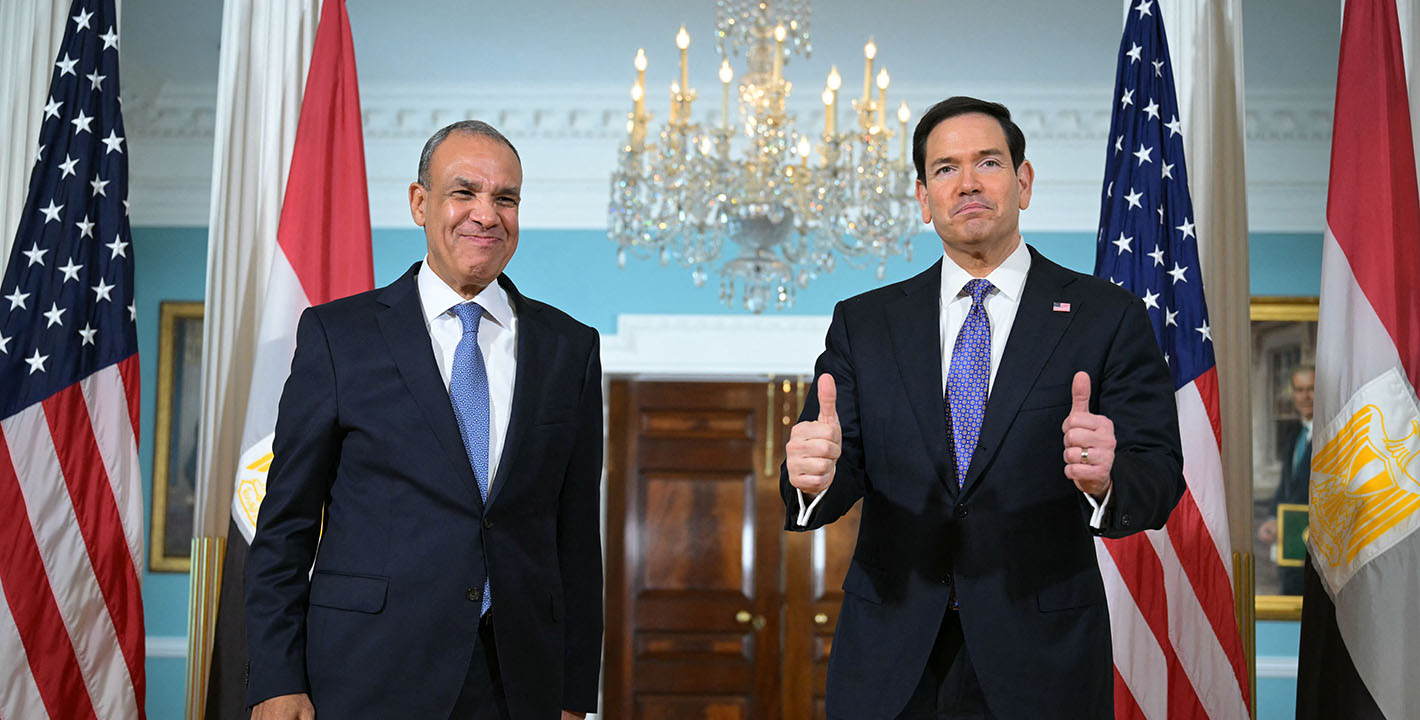
Cairo’s efforts send a message to the United States and the region that it still has a place at the diplomatic table.

Angie Omar
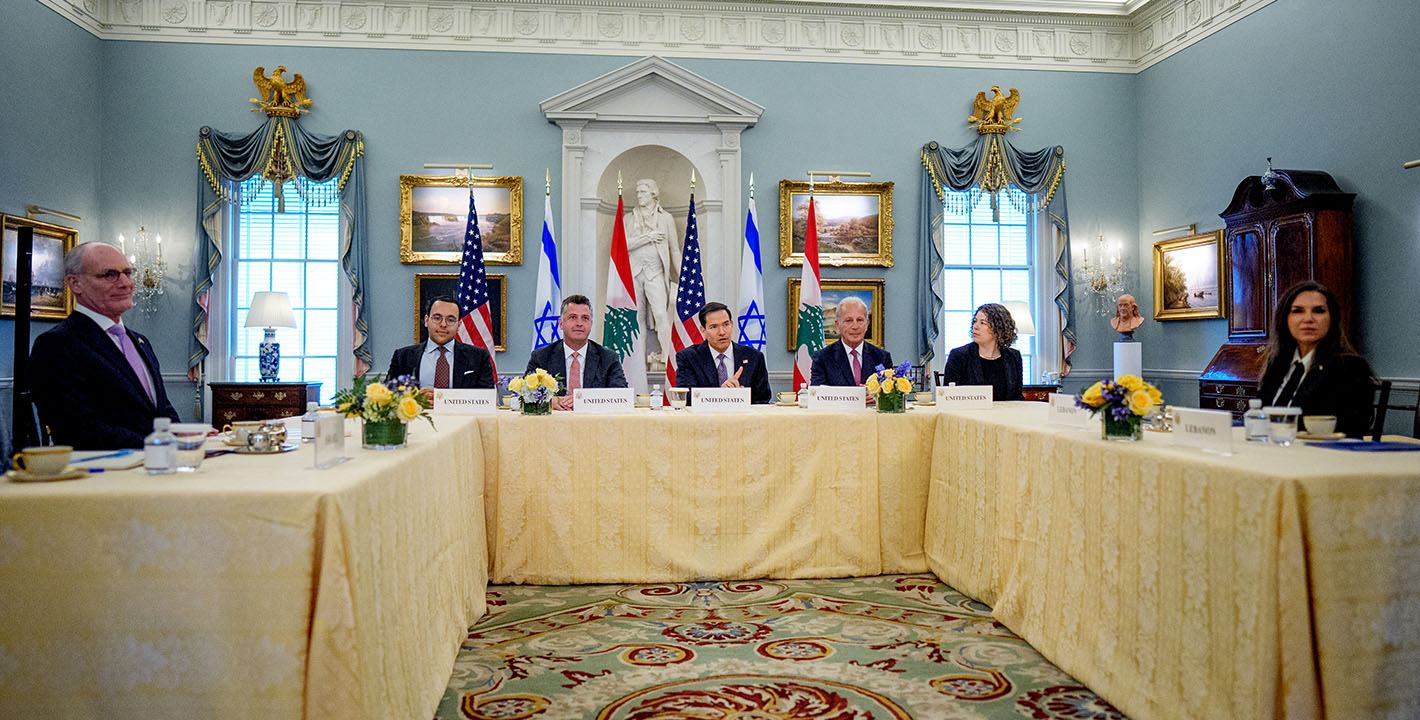
Beirut’s desire to break free from Iranian hegemony may push it into a situation where it has to accept Israel’s hegemony.
Michael Young
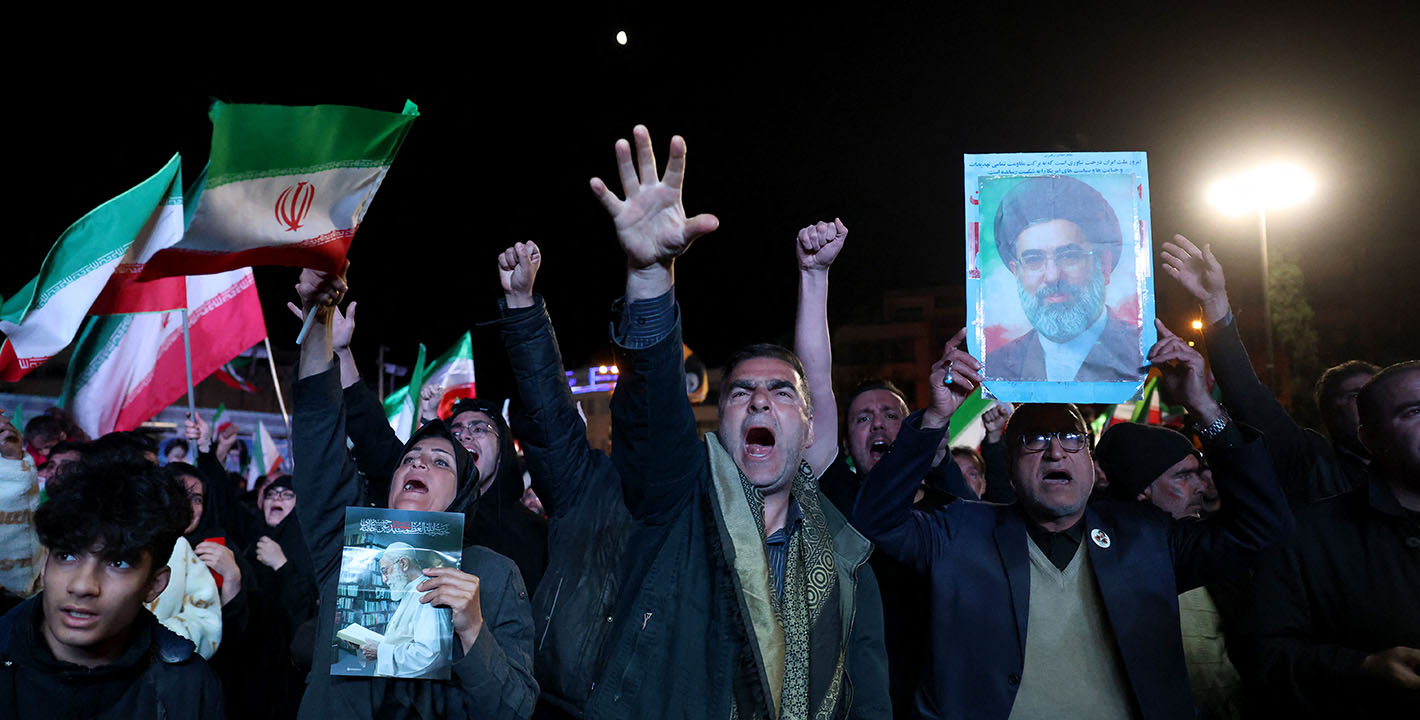
Spot analysis from Carnegie scholars on events relating to the Middle East and North Africa.
Michael Young
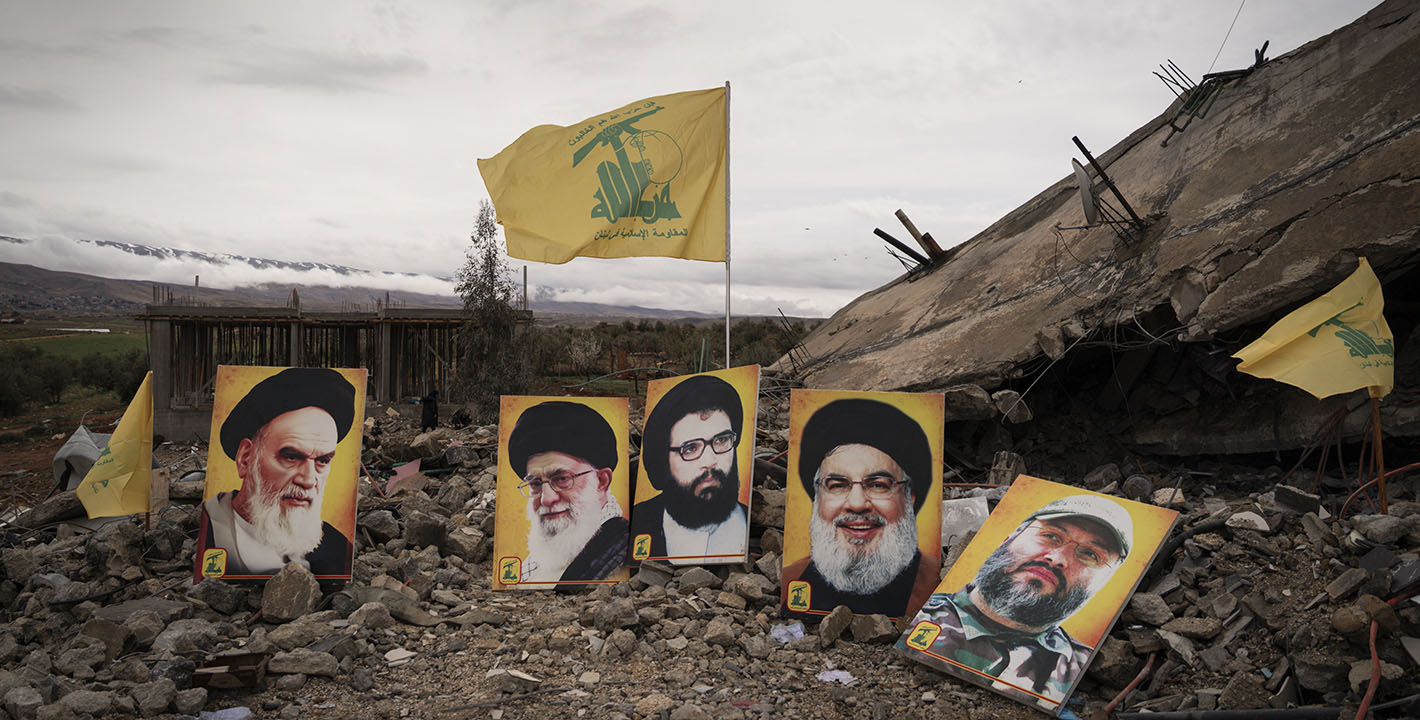
The party’s objectives involve tying together the Lebanese and Iranian fronts, while surviving militarily and politically at home.
Mohamad Fawaz