

Paper
Christopher S. Chivvis, Rohan Mukherjee, Milan Vaishnav
{
  "authors": [
    "Milan Vaishnav"
  ],
  "type": "commentary",
  "centerAffiliationAll": "dc",
  "centers": [
    "Carnegie Endowment for International Peace"
  ],
  "collections": [],
  "englishNewsletterAll": "ctw",
  "nonEnglishNewsletterAll": "",
  "primaryCenter": "Carnegie Endowment for International Peace",
  "programAffiliation": "SAP",
  "programs": [
    "South Asia"
  ],
  "projects": [],
  "regions": [
    "South Asia",
    "India"
  ],
  "topics": [
    "Civil Society"
  ]
}
Source: Getty
The host of Carnegie’s podcast on Indian politics shares his three favorite reads from 2022.
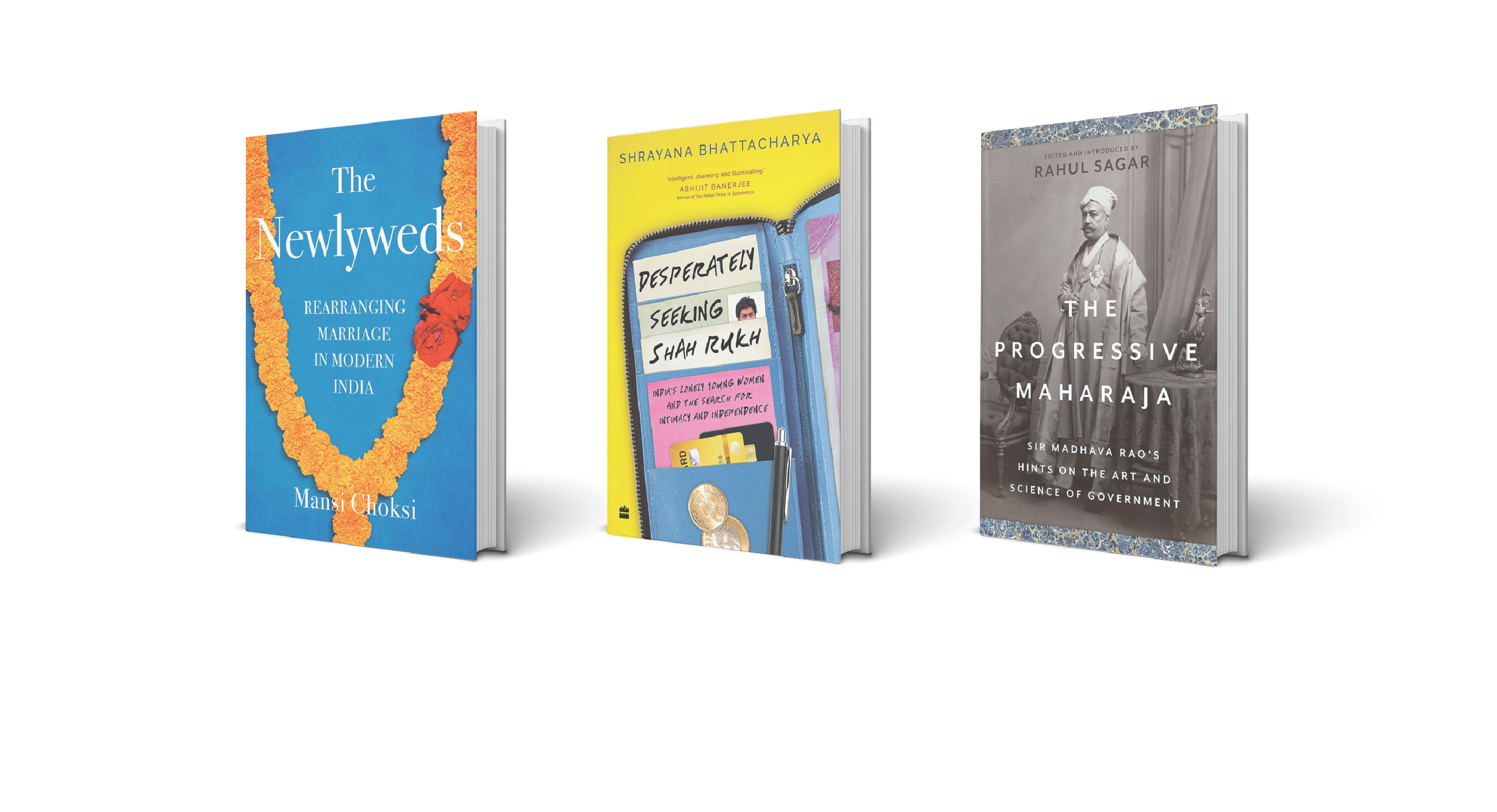
One of the blessings (though it sometimes feels like a curse) of hosting Grand Tamasha, Carnegie’s weekly podcast on Indian politics and policy, is that I end up reading a ton of books and interviewing many authors. Reflecting on the year gone by, I made a list of my top three India reads of the year, based on some of the books I’ve highlighted on the show’s recently wrapped eighth season. This is no small task, as I devoured several excellent books that I did not feature on the podcast, and there are far too many good reads we did feature that I could not include. With those caveats in place, here—in no particular order—are our Grand Tamasha top three books of 2022.
Desperately Seeking Shah Rukh: India’s Lonely Young Women and the Search for Intimacy and Independence
By Shrayana Bhattacharya. Published by HarperCollins India.
The brilliance of Desperately Seeking Shah Rukh is that it is impossible to categorize. It is an economics tract about the plight of young women in India as they struggle to access a labor market that is patriarchal to the core. But it’s also a candid memoir of sorts about Bhattacharya’s own loneliness and chronic struggles with finding love in the megalopolis of New Delhi. (The opening line of the book: “My life has always been heteronormative hell.”) It’s an homage to Shah Rukh Khan, arguably Bollywood’s biggest superstar, and narrates how he became a female—if not exactly feminist—icon. And it’s also part social commentary—an intimate portrait of women, of society, of gender relations, of a country where too many people are still living in situations on the edge. You don’t need to love Bollywood or to have studied economics to like this book. You only need to have a heart.
The Progressive Maharaja: Sir Madhava Rao’s Hints on the Art and Science of Government
By Rahul Sagar. Published by Hurst/HarperCollins India.
Rahul Sagar is having a banner year. The Progressive Maharaja is the second of two books he released in 2022. (The first is an anthology of long-forgotten nineteenth-century debates on India’s role in the world, To Raise a Fallen People: How Nineteenth Century Indians Saw Their World and Shaped Ours.) The Progressive Maharaja is another text that Sagar has unearthed thanks to some impressive sleuthing. The book is made up of lectures that nineteenth-century intellectual and administrator par excellence Madhava Rao delivered in 1881 to Sayaji Rao Gaekwad III, the young maharaja of Baroda. The lectures comprise the first treatise on statecraft produced in modern India—think of it as India’s version of Niccolo Machiavelli’s The Prince. Sagar has resurfaced these lectures, edited and rearranged them, and introduced them with a lengthy essay on Madhava Rao, the man, as well as the governance of India’s so-called princely states.
Rao covers a wide swath of territory—from civil administration to the police and justice system and the perils of absolutism. In our conversation, Sagar told me that nothing would make him happier than for Indians to celebrate the teachings and the life of Madhava Rao. With this volume, it is likely that he will get his wish.
The Newlyweds: Rearranging Marriage in Modern India
By Mansi Choksi. Published by Atria/Icon/Penguin Viking.
“When young people choose their own partners, we threaten order with chaos,” writes the journalist Mansi Choksi in The Newlyweds, a moving account of love in contemporary India. The author follows three couples across the country’s heartland as they navigate boundaries—of caste, class, religion, and traditional gender norms. What follows is a tale of romance, endurance, violence, and occasionally heartbreak. This book does what most social science texts simply cannot—it brings us into the private lives of young people in love in India.
The geography of this book is one of its biggest selling points. Whereas so many authors and scholars focus on big-city India, Choksi is obsessed with India’s equivalent of “flyover country,” giving us insight into parts of the country even most India watchers never see. Choksi is a veteran contributor to several acclaimed global publications, such as Harper’s Magazine, The New Yorker, and The Atlantic, and those reporting chops are on display throughout this book.
For more from Grand Tamasha, see Milan’s favorite episode of the year.

Director and Senior Fellow, South Asia Program
Milan Vaishnav is a senior fellow and director of the South Asia Program and the host of the Grand Tamasha podcast at the Carnegie Endowment for International Peace. His primary research focus is the political economy of India, and he examines issues such as corruption and governance, state capacity, federalism, and electoral behavior. He also conducts research on the Indian diaspora.
Recent Work
Christopher S. Chivvis, Rohan Mukherjee, Milan Vaishnav



Sophia Besch, Eric Ciaramella, Steve Feldstein, …
Carnegie does not take institutional positions on public policy issues; the views represented herein are those of the author(s) and do not necessarily reflect the views of Carnegie, its staff, or its trustees.
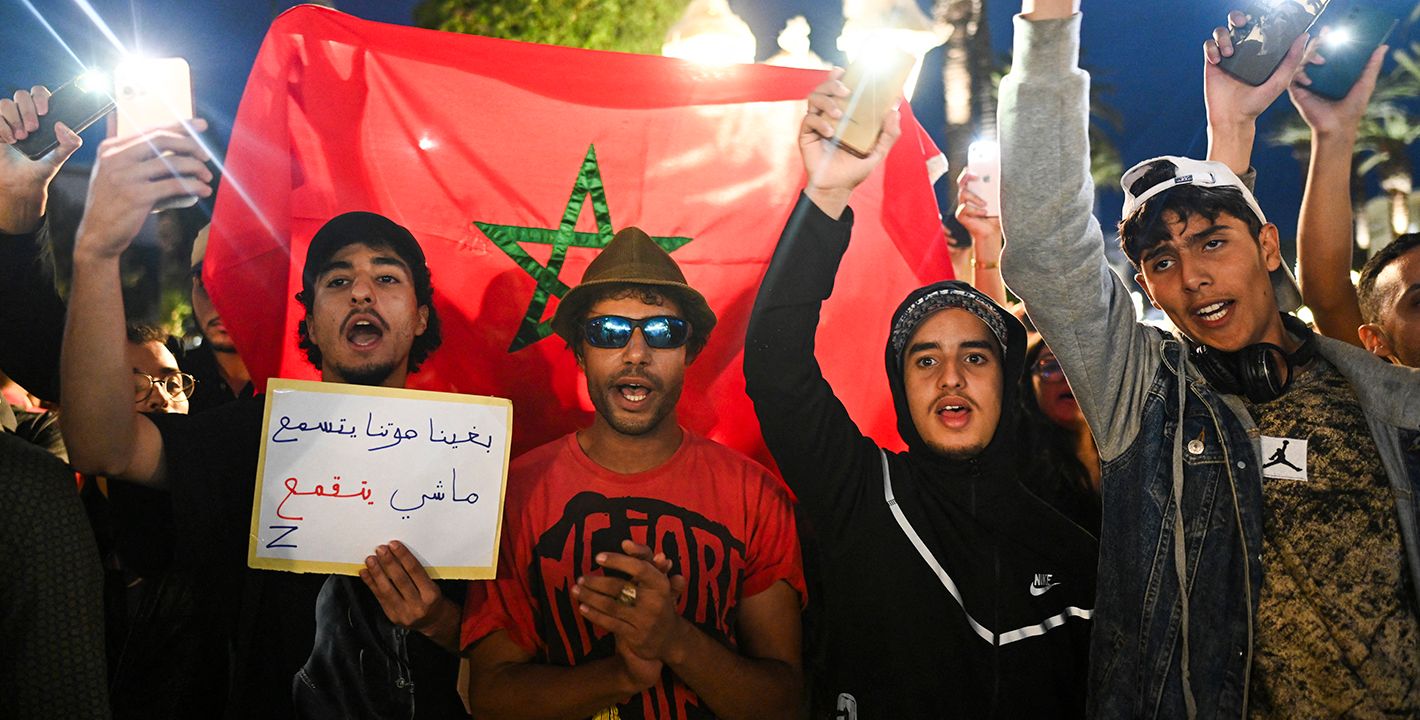
The country’s youthful protest movement is seeking economic improvement, social justice, and just a little hope.

Yasmine Zarhloule
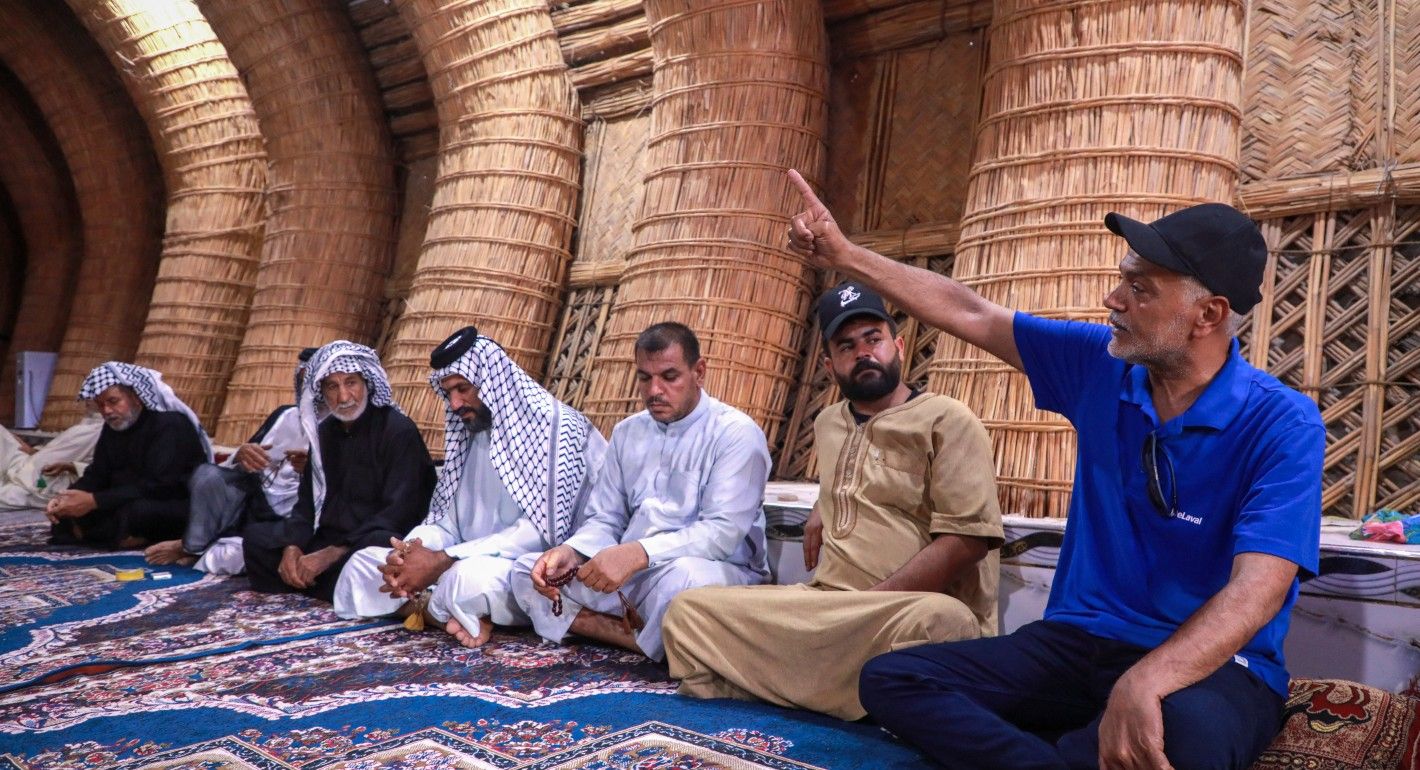
In fragmented political contexts, climate activism is a way to contest both ecological harm and the structures of violence and neglect that allow it to persist.


Issam Kayssi, Mohanad Hage Ali
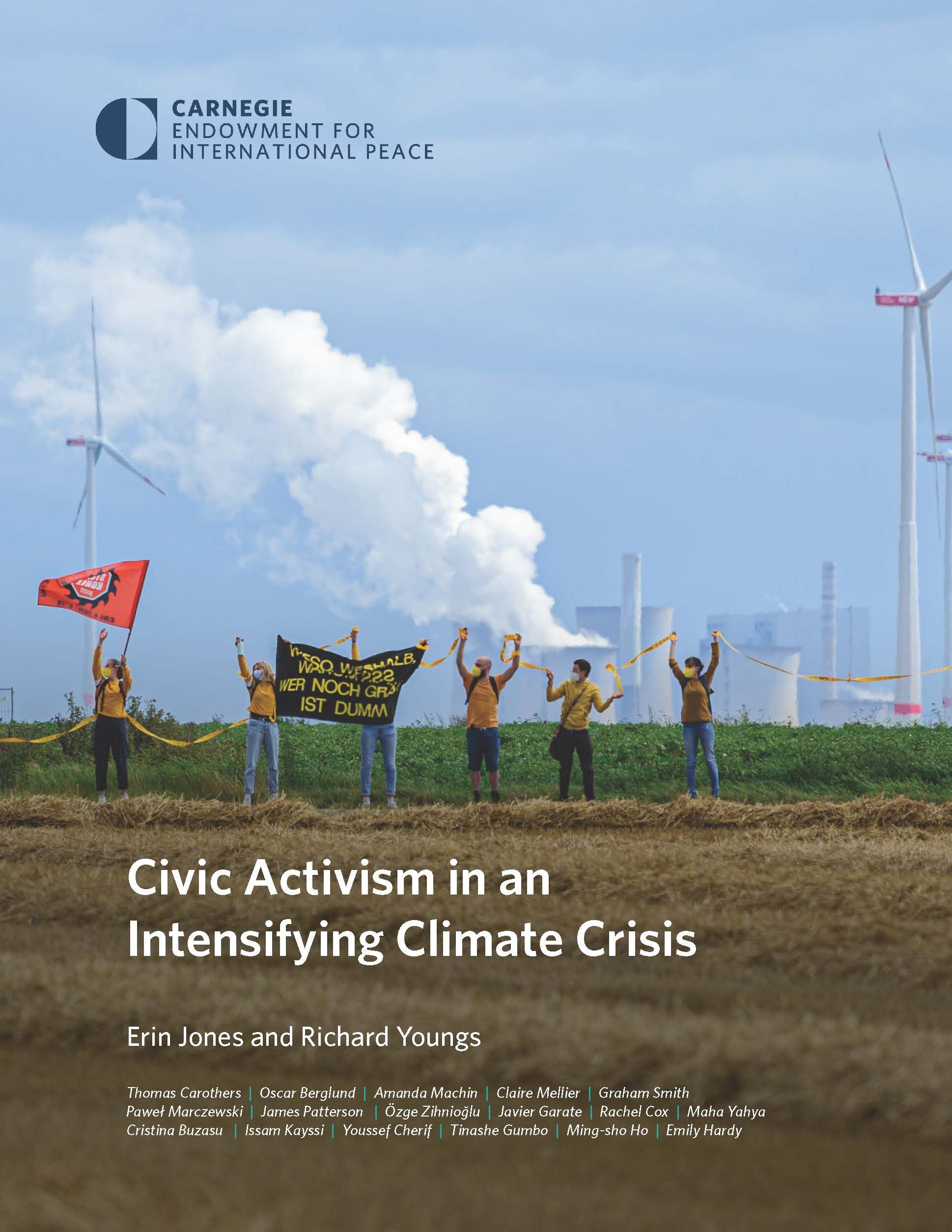
To address the deepening climate crisis, climate activism is employing a wider variety of tactics and aiming at a broader set of goals. In response, the movement faces stronger repression and civic backlash against climate action.

Erin Jones, Richard Youngs
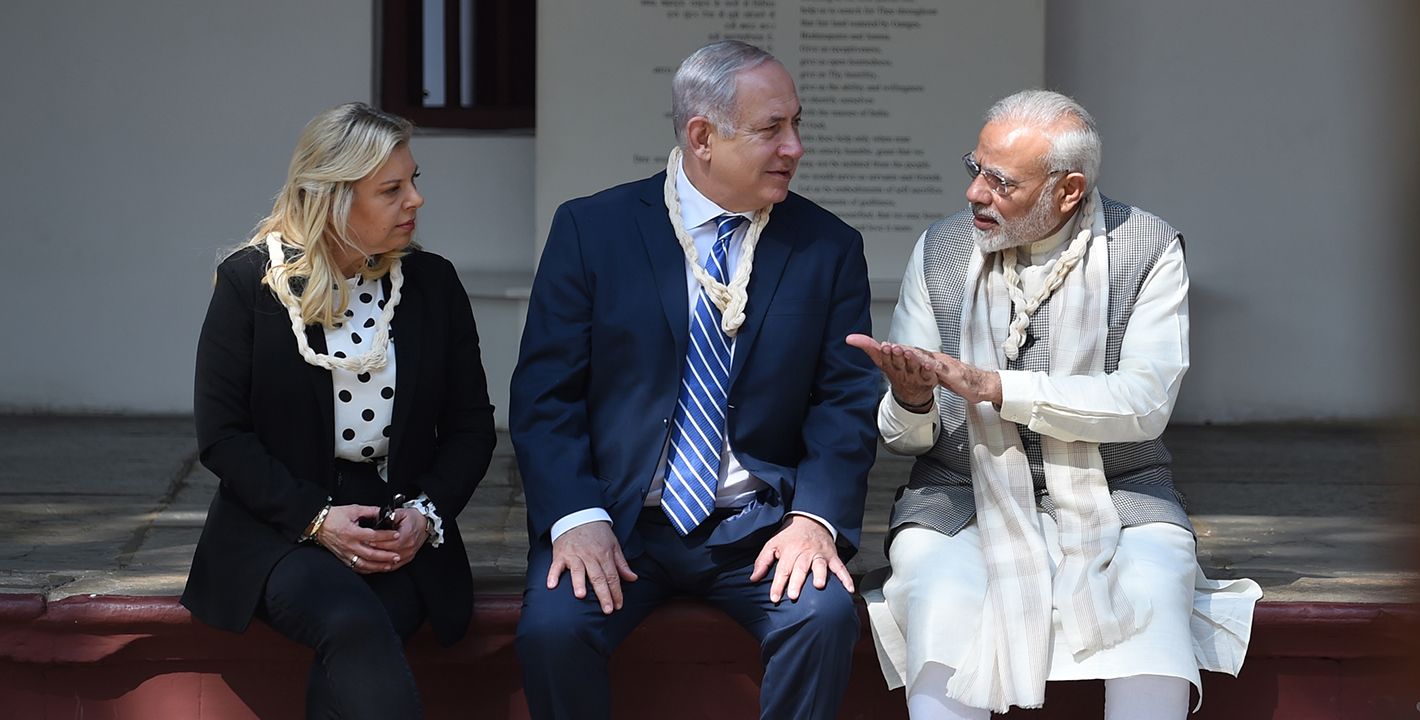
In an interview, Abhinav Pandya discusses the multiple facets of India’s ties with the Middle East.

Armenak Tokmajyan
The interaction of national armed forces and private business sectors offers a useful lens for viewing the politics of numerous countries of the so-called Global South. A rising trend of military political activism—often accompanied by military commercial activity—underlines the importance of drivers and outcomes in these relationships.

Yezid Sayigh, Hamza Meddeb