

Commentary
The Moroccan-Algerian rivalry is playing itself out in ties with Burkina Faso, Niger, and Mali.
Yasmine Zarhloule
{
  "authors": [
    "Zainab Usman",
    "Aline Abayo"
  ],
  "type": "commentary",
  "centerAffiliationAll": "dc",
  "centers": [
    "Carnegie Endowment for International Peace"
  ],
  "collections": [
    "Chart of the Month",
    "Africa’s Shifting Politics and Geopolitics"
  ],
  "englishNewsletterAll": "africa",
  "nonEnglishNewsletterAll": "",
  "primaryCenter": "Carnegie Endowment for International Peace",
  "programAffiliation": "AFP",
  "programs": [
    "Africa"
  ],
  "projects": [],
  "regions": [
    "Southern, Eastern, and Western Africa"
  ],
  "topics": []
}
Source: Getty
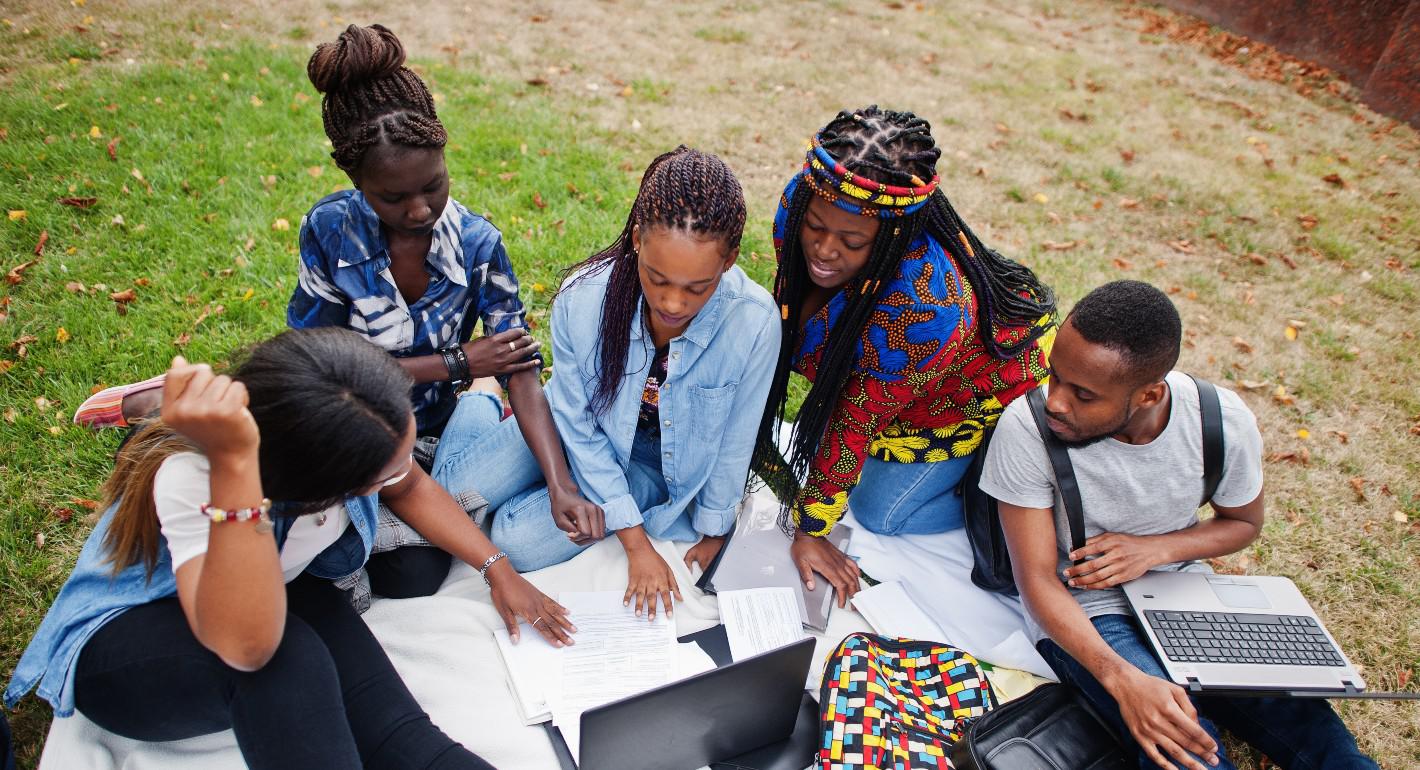
There appears to be a shift in African students’ higher education choices toward a variety of emerging economies and middle powers such as Türkiye, the UAE, and Malaysia, among others, beyond the former colonial powers such as Belgium, Portugal, or the U.K.
Africa is the continent with the world’s youngest and fastest-growing population: the current median age is about 19 years, and the population is projected to comprise 23 percent of the world’s labor force by 2050. As such, the task of providing quality education and opportunities for millions of young Africans is an important one. There are already dozens of higher education institutions in African countries that are catering to the rising demand from this growing population.

There is also a notable trend of African students seeking higher education abroad in countries beyond their own, either on the continent or elsewhere around the world. Between 2000 and 2022, there was a consistent increase in the number of students pursuing tertiary education (bachelor’s and advanced degrees) in countries abroad (see figure 1).
The year 2020 saw an all-time high of more than 624,271 students abroad, up by 41 percent from 441,438 in 2010 and by 122 percent from 281,522 in 2000. While a significant portion of this growth can be attributed to students studying outside of Africa, there has also been a growing trend of intra-Africa student mobility to pursue higher education. In fact, African countries such as Cameroon, Cote d’Ivoire; Ghana; Kenya; Morocco; Nigeria; Rwanda; Senegal; South Africa, which hosts over 30,500 African international students; Tanzania; and Zimbabwe have emerged as the new hot zones for many African students, as highlighted in a new 2023 report by a French government agency, Campus France.

Beyond the African continent, France is the most popular destination for Africans seeking higher education abroad. In 2020, France hosted approximately 126,000 African students (see figure 2). China comes in second with roughly 81,500 students, while the United States comes in third with approximately 48,000 African students. Other countries among the top twenty destinations for African students outside the continent include Germany, the United Kingdom, the United Arab Emirates, Canada, Türkiye, Ukraine, Saudi Arabia, Portugal, Malaysia, Russia, India, Australia, Belgium, Cuba, Brazil, Italy, and Spain. There appears to be a shift in African students’ higher education choices toward a variety of emerging economies and middle powers such as Türkiye, the UAE, and Malaysia, among others, beyond the former colonial powers such as Belgium, Portugal, or the U.K.
Investing in Africa’s future requires equipping African youth with the necessary tools and skills to effectively contribute to the economies of the twenty-first century. In an era of intensifying great power competition, the ability of Africa’s partners to meet this growing demand for higher education can position them strategically. Meeting this demand will demonstrate an interest in investing in Africa’s future, either by increasing the availability and competitiveness of local tertiary institutions on the continent or by expanding the ease of access to higher education abroad, such as through reducing visa restrictions to travel and increasing financial support to prospective students.
Former Director, Africa Program
Zainab Usman was a senior fellow and the inaugural director of the Africa Program at the Carnegie Endowment for International Peace.
Aline Abayo
Former James C. Gaither Junior Fellow, Africa Program
Aline Abayo was a James C. Gaither Junior Fellow in the Carnegie Africa Program.
Carnegie does not take institutional positions on public policy issues; the views represented herein are those of the author(s) and do not necessarily reflect the views of Carnegie, its staff, or its trustees.
The Moroccan-Algerian rivalry is playing itself out in ties with Burkina Faso, Niger, and Mali.

Yasmine Zarhloule
The Yemeni group, like its main backer Iran, has established contacts with al-Shabab and the Islamic State in Somalia, showing how pragmatism prevails when geopolitical goals demand it, and all sides share an enmity for the United States and Israel.
Ibrahim Jalal, Adnan al-Jabarni

The interaction of national armed forces and private business sectors offers a useful lens for viewing the politics of numerous countries of the so-called Global South. A rising trend of military political activism—often accompanied by military commercial activity—underlines the importance of drivers and outcomes in these relationships.

Yezid Sayigh, Hamza Meddeb
One year ago, Tunisian President Kais Saied’s self-coup put the country’s democratic transition in jeopardy. Carnegie experts examine the key aspects of Tunisia’s stalled transition through a comparative lens, both with other countries’ transitions and Tunisia’s own sectoral changes over time.



Sarah Yerkes, Jennifer McCoy, Paul Stronski, …
The new coronavirus is spreading into conflict-affected states. The pandemic and efforts to contain it are much more likely to aggravate and multiply conflicts than reduce or end them.


Frances Z. Brown, Jarrett Blanc