

Article
Marina Ottaway, Omar Hossino

This is an important resource for policy makers and others forced to deal with countries where democratic change is both complex and protracted.
Source: Washington

What positive role can the international community play in countries where trends are so contradictory? The answer will confront the United States—and not only in Africa—with increasing frequency. Africa's New Leaders: Democracy or State Reconstruction? is an important resource for policy makers and others forced to deal with countries where democratic change is both complex and protracted.
“This well written, insightful book provides a clear-headed analysis of key issues in African politics today. It should be read by anyone interested in Africa or U.S. policy toward that region.”
— Carol Lancaster, Georgetown University

Former Senior Associate, Middle East Program
Before joining the Endowment, Ottaway carried out research in Africa and in the Middle East for many years and taught at the University of Addis Ababa, the University of Zambia, the American University in Cairo, and the University of the Witwatersrand in South Africa.
Recent Work
Marina Ottaway, Omar Hossino
Marina Ottaway
Carnegie does not take institutional positions on public policy issues; the views represented herein are those of the author(s) and do not necessarily reflect the views of Carnegie, its staff, or its trustees.
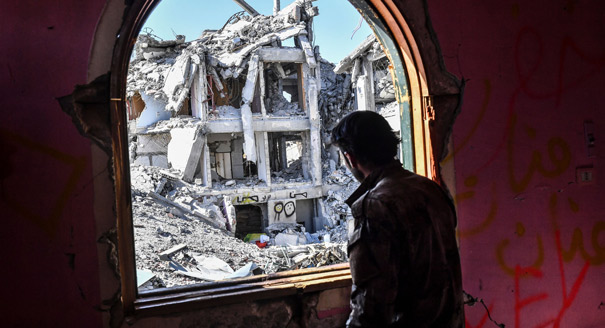
European donors should persist with a localist approach in Syria, but efforts should generate an inclusive notion of democratic citizenship rather than just support the liberal-moderate opposition.

Richard Youngs
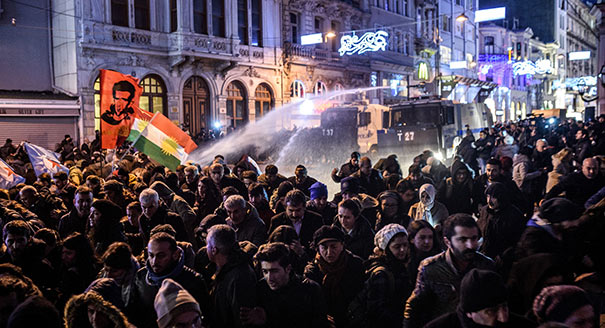
The link between conflict and democracy in Turkey casts doubt on the assumption of a natural relationship between conflict resolution and democratic improvements.
Senem Aydın-Düzgit, E. Fuat Keyman
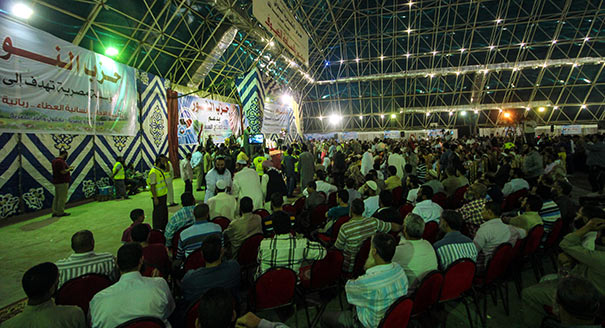
The ouster of Mohamed Morsi by a popularly backed military coup in 2013 dealt a debilitating blow to the Islamist project—and left deep cleavages within the Salafist movement.
Ashraf El-Sherif

Western democratic powers are no longer the dominant external shapers of political transitions around the world.

Thomas Carothers, Oren Samet-Marram
Without a stable political environment, democracy will not take root in the Middle East and North Africa. But thinking only about security is not a long-term solution either.
Richard Youngs