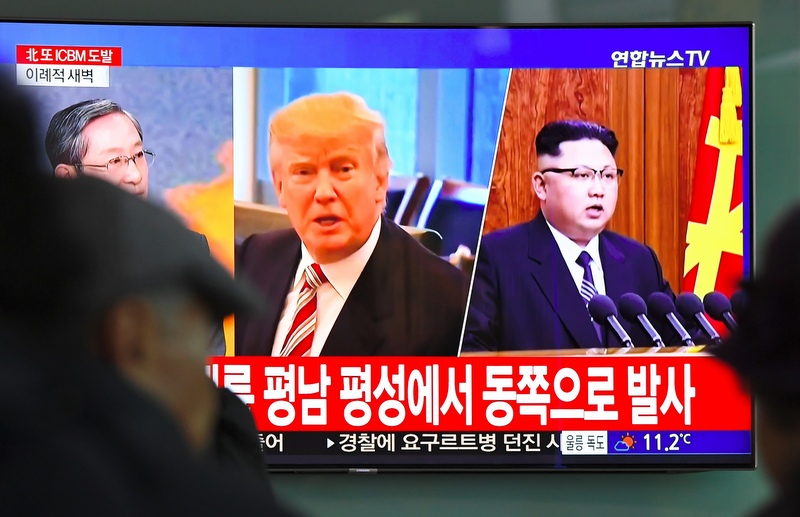
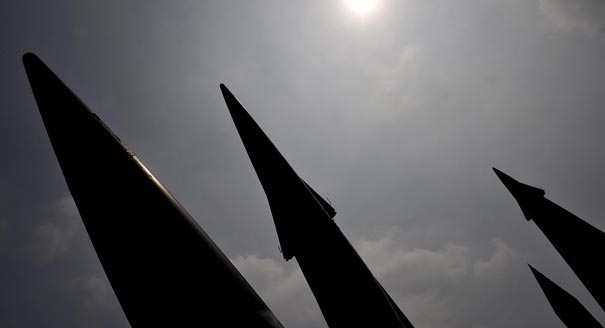
European mediators are filling the vacuum left by President George Bush's decision not to pursue talks with North Korea. Appalled at the cold shoulder Bush gave South Korea's president and democracy hero, Kim Dae Jung, European Union President Goran Persson announced March 23 that he will soon go to the region to expedite ways to defuse the nuclear missile threat posed by the North. Persson, who is Sweden's prime minister will go to both Korean capitals before the end of May with the EU's foreign policy czar, Javier Solana, and its external affairs commissioner, Chris Patten. The trip is a continuation of the
EU policies adopted by the EU General Affairs Council last November (complete
policy text).
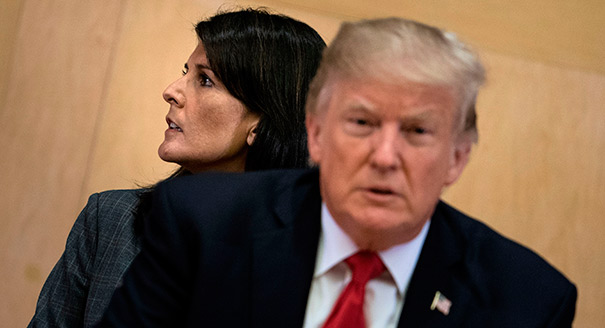
This is a new role for the Europeans and one long overdue. If it succeeds, it could raise the stature for the EU as an independent global actor. It is yet another measure of Europe's unease with the new administration's emerging policy lines. "It's becoming clear that the new U.S. administration wants to take a more hard-line approach toward North Korea," said Sweden's Foreign Minister Anna Lindh. "That means that Europe must step in to help reduce tension between the two Koreas, not least because the outside world is so worried about North Korean missiles." The Washington Post reports that Kim Dae Jung told senior EU officials he came away deeply disappointed from recent talks with Bush in Washington. He worried that Washington might sink his "sunshine policy" of peaceful reconciliation with the North. To shore up his relations with Washington, Kim has now appointed a new foreign minister, Han Seung Soo, but to shore up his position on the peninsula he has turned to the EU.
Europe shouldn't expect much appreciation from the US administration for its diplomatic efforts. Beneath the bromides of
alliance solidarity, there is a cool contempt for the allies. It doesn't take more than a few drinks at Washington dinners to start a
round of smug jokes at the allies' expense. Conservatives in and around the new administration refer to the allies as "feckless."
Meaning "weak, ineffective, irresponsible, or worthless," it is used to describe the way European and Asian nations approach
the global challenges compared to the new "realism" they plan to bring to the United States international positions. But where
they see resolve, others see arrogance, not only in the tawdry treatment of President Kim, but in plans to transplant a "contra"
strategy to Iraq as a substitute for reforming the sanctions policy, or in interpreting Europe's softened opposition to missile
defenses as a weakness rather than a tactical shift. Little genuine consultation seems to be taking place between the new
officials and their more experienced allied counterparts.
There are, of course, more balanced views. Secretary of State Colin Powell represents the pragmatist wing of the administration. He recognizes the strength of multilateral approaches and has practical experience in building effective international coalitions. An influential group of experts convened by the Council on Foreign Relations urge negotiations with North Korea in a new report, implicitly criticized the Bush approach, noting: "the scope of North Korea's proposal was unprecedented. The North would prohibit all exports of long-range missiles and related items in exchange for in-kind assistance in categories such as food." (Text of Council
on Foreign Relations Letter to President Bush on Korea Policy.)
If the EU can make alliances with these elements in the United States, then European officials may be able to build a rear guard
of support for their front line diplomacy. Before and after their trip, the European emissaries can expect little but scorn from the
far right. They would do well to heed Henry V's entreat to "imitate the action of the tiger, stiffen the sinews, conjure up the
blood." The game's afoot.