

Commentary
In an interview, Marc Lynch discusses his new book decrying the post-1990 U.S.-dominated order in the Middle East.
Michael Young

REQUIRED IMAGE
The initial western reaction to the new Russian -Chinese "good neighbor" treaty signed in Moscow was to ask if the pact signaled a new anti-U.S. alliance. The question itself shows how far relations between the United States and the two Asian powers have deteriorated and how the missile defense issue may worsen relations and prevent the development of the very type of "new framework" President Bush hopes to form with Moscow.
The initial western reaction to the new Russian-Chinese "good neighbor" Treaty signed in Moscow was to ask if the pact signaled a new anti-U.S. alliance. The question itself shows how far relations between the United States and the two Asian powers have deteriorated and how the missile defense issue may worsen relations and prevent the development of the very type of "new framework" President Bush hopes to form with Moscow.
In truth, the Sino-Russian Treaty of Good-Neighborly and Friendly Cooperation was not signed as part of any formal response to U.S defense plans. Rather it reflects a concern among both Russian and Chinese officials that the U.S. is too strong for either to effectively engage on their own. Only by coordinating their responses, apparently, do they feel that have any chance of positively influencing U.S. action in the area of security affairs.
The Treaty text reflects this goal. The Treaty reaffirms that Taiwan is part of one China and that the 1972 ABM Treaty is a cornerstone of strategic stability. Not surprisingly, it is U.S. policies on these two issues that create the most concern in Moscow and Beijing. President Bush's statements declaring his intention to deploy missile defenses, regardless of Russian or Chinese objections, and to do "whatever it takes" to defend Taiwan threaten to upset core elements of Washington's relations with both countries.
It is possible that strong, positive relations between Washington and both nations might permit a thorough discussion and development of these issues. Unfortunately, and not through faults of its own, the Bush administration has inherited relations with both states that are shaky, at best. Instead of working to shore up understanding and stability between the countries, officials have charged boldly into sensitive and dangerous issues. The Chinese and Russian response seems to be to take refuge in Cold-War style treaties and pledges.
It is exactly this sort of mentality that President Bush has said he hopes to commit to the past, but his administration should reflect on the signing of the new Treaty and consider that if its actions are having the opposite effect, that it might be time to begin changing the direction of its policies.
Carnegie does not take institutional positions on public policy issues; the views represented herein are those of the author(s) and do not necessarily reflect the views of Carnegie, its staff, or its trustees.
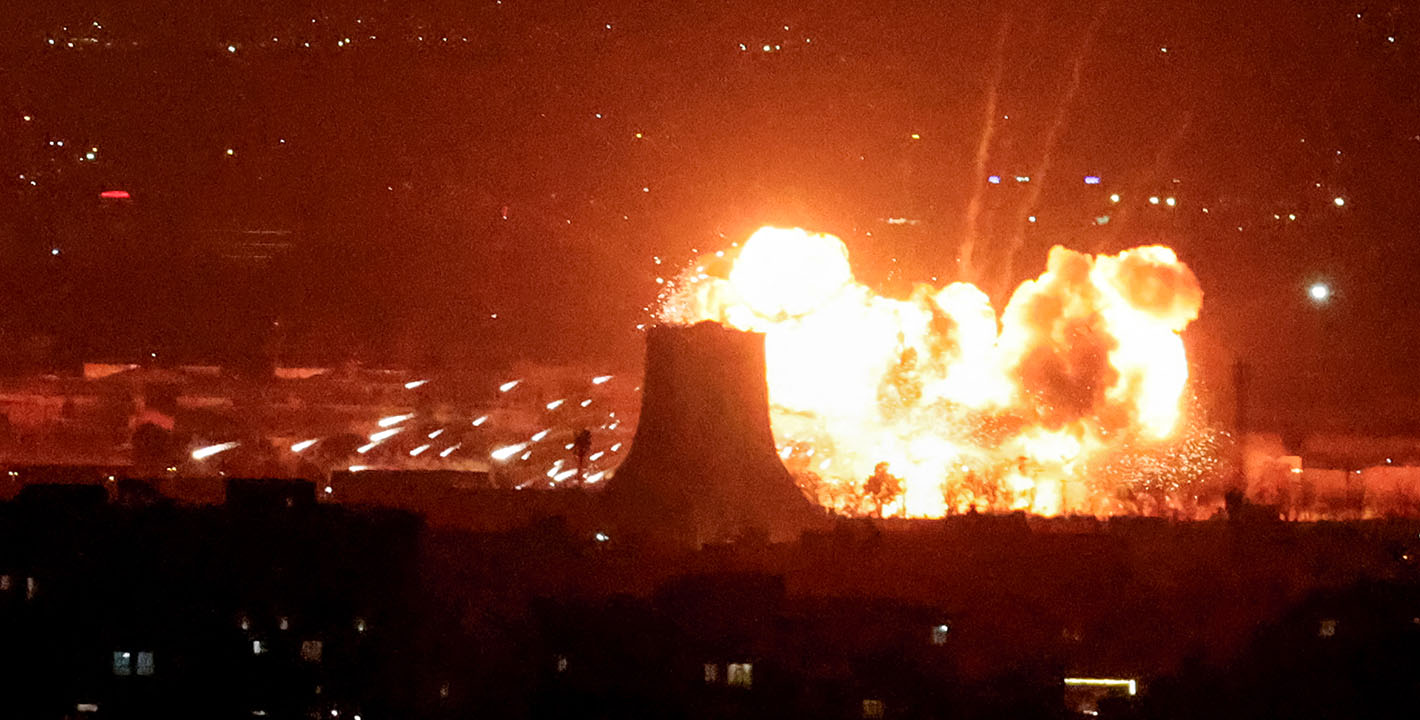
In an interview, Marc Lynch discusses his new book decrying the post-1990 U.S.-dominated order in the Middle East.

Michael Young
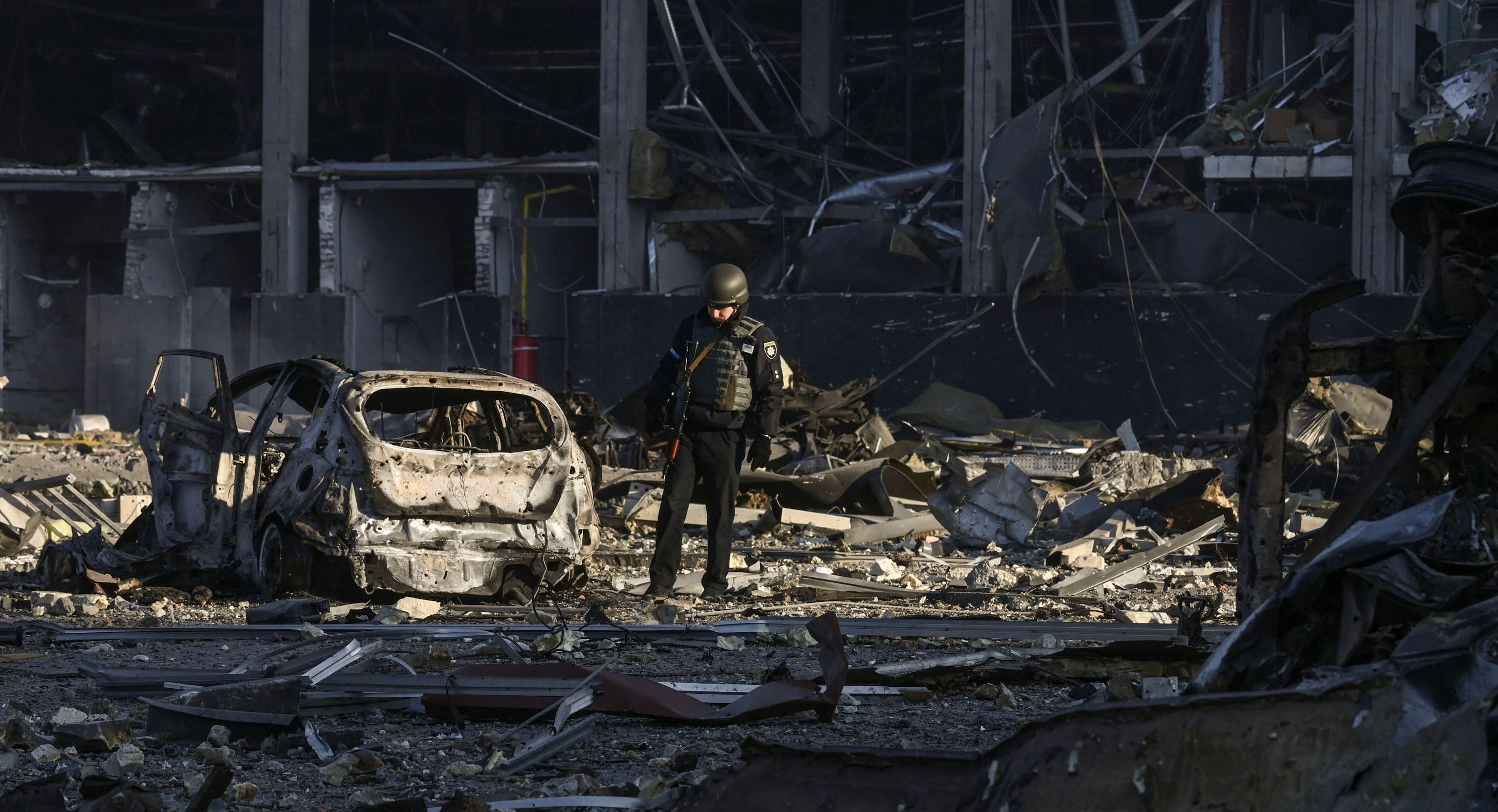
Both events also could force Washington to rethink or revive its Middle East partnerships.

Karim Sadjadpour
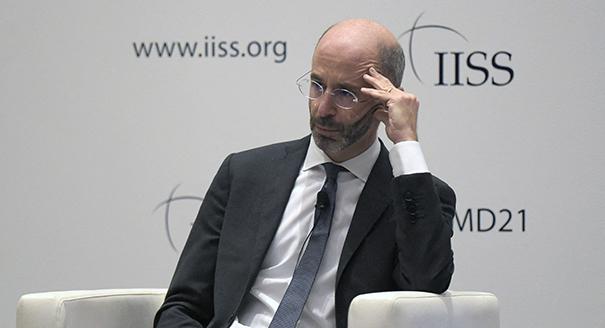
Disagreement between the United States and Iran over a revived nuclear accord may anchor volatile competition.

George Perkovich
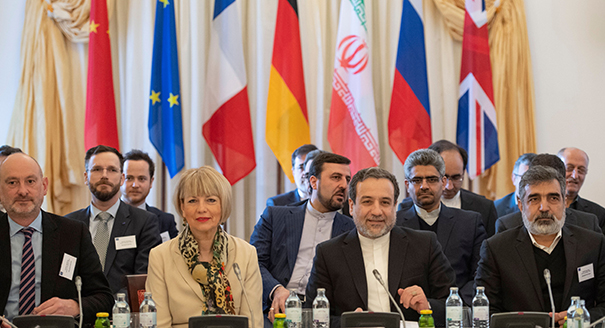
A regular survey of experts on matters relating to Middle Eastern and North African politics and security.
Michael Young
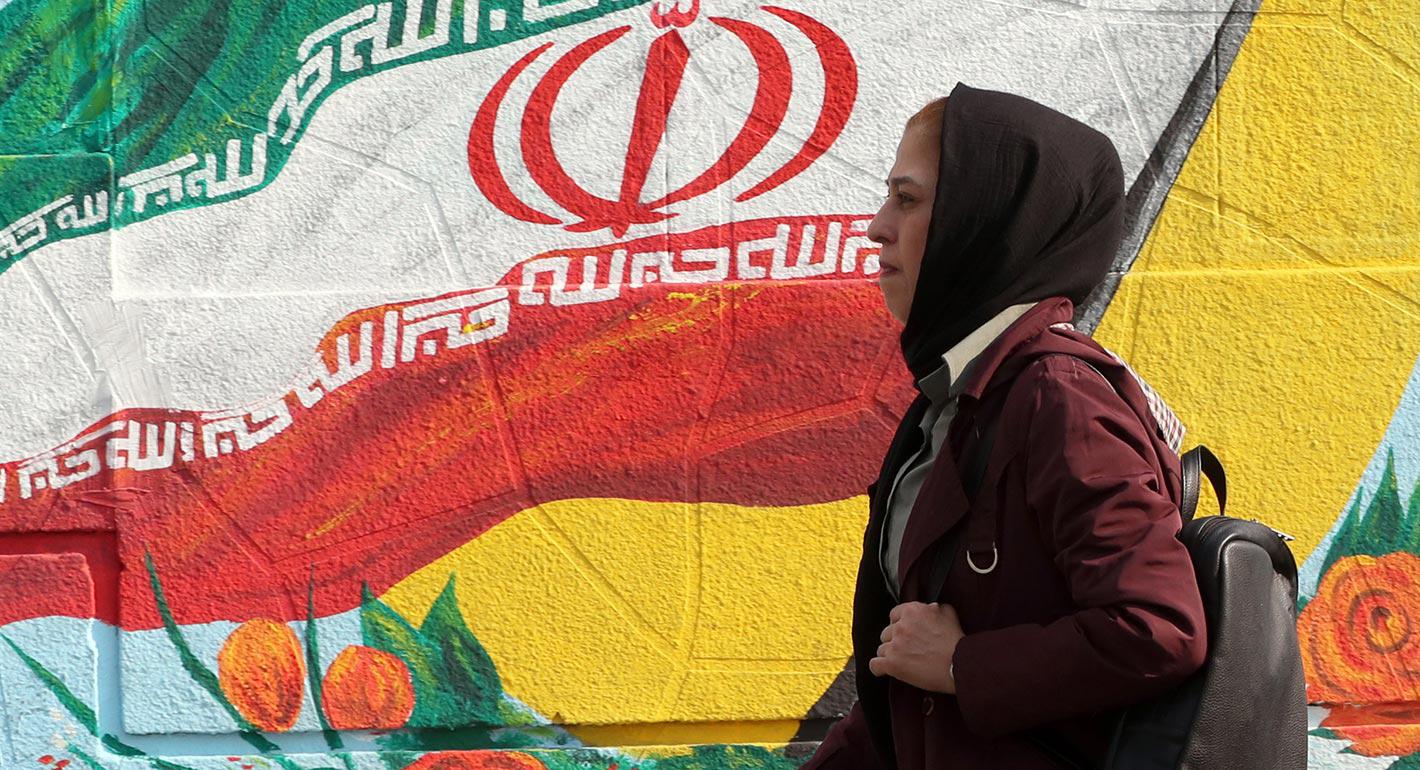
The British, French, and German foreign ministers have formally accused Iran of breaking the terms of the 2015 Iran nuclear deal, a step that could lead to sanctions. Are the Europeans preparing to pull the plug?

Jarrett Blanc