

Commentary
In an interview, Marc Lynch discusses his new book decrying the post-1990 U.S.-dominated order in the Middle East.
Michael Young

REQUIRED IMAGE
The NPT has been a huge success story for 35 years in stemming nuclear proliferation. In the 1990s, however, cracks began to emerge in that regime and they have grown and become serious enough to threaten the stability of the entire regime.
Source: Carnegie
Below are excerpts from remarks delievered by Ariel Levite, principal deputy director, Israel Atomic Energy Commission, at the Second Moscow International Proliferation Conference. Mr. Levite's views do not necessarily reflect an official Israeli position and his full presentation.
The NPT has been a huge success story for 35 years in stemming nuclear proliferation. In the 1990s, however, cracks began to emerge in that regime and they have grown and become serious enough to threaten the stability of the entire regime.
Where do most of the problems lie?
Many of these weaknesses emanate from the IAEA's schizophrenic origins as an agency designed to promote peaceful uses of nuclear technology under Atoms for Peace. Other weaknesses have to do with the changing nature of the nuclear proliferation challenge. Technology has widely disseminated (especially in centrifuge enrichment), but the key problems lie not from the likes of Australia, Germany, Italy, Switzerland, Sweden, and even Brazil and Argentina, but from North Korea, Iran, Iraq, Libya, etc.
We can no longer realistically expect to promote new treaties and conventions that have both global scope as well as genuine meaning in stemming proliferation. The fate of the CTBT is quite telling in this respect. Nor is it likely that we will be able to promote a consensus around verification measures that are tighter than those already incorporated in the Additional Protocol. Finally, we must also acknowledge the profound weakness of the present enforcement mechanisms. Non-compliance issues are only reluctantly referred to the U.N. Security Council, and even when this happens the Security Council typically fails to generate a consensus to take effective corrective action. North Korea and Iraq are cases in point.
So what can and should still be done? We should try to retain as best we can the current NPT regime and the existing safeguards arrangements, making efforts to improve them wherever possible without formal negotiations. New efforts should be guided by the following eight principles:
Carnegie does not take institutional positions on public policy issues; the views represented herein are those of the author(s) and do not necessarily reflect the views of Carnegie, its staff, or its trustees.
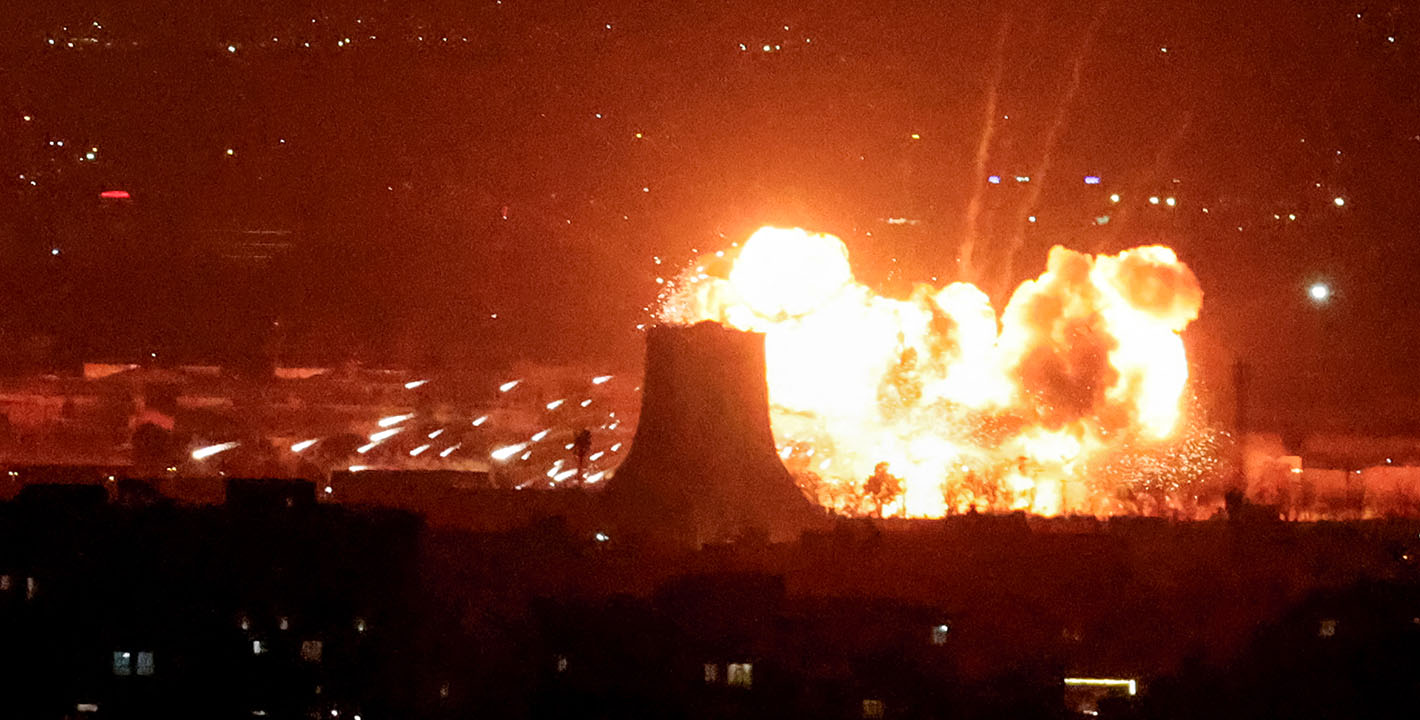
In an interview, Marc Lynch discusses his new book decrying the post-1990 U.S.-dominated order in the Middle East.

Michael Young
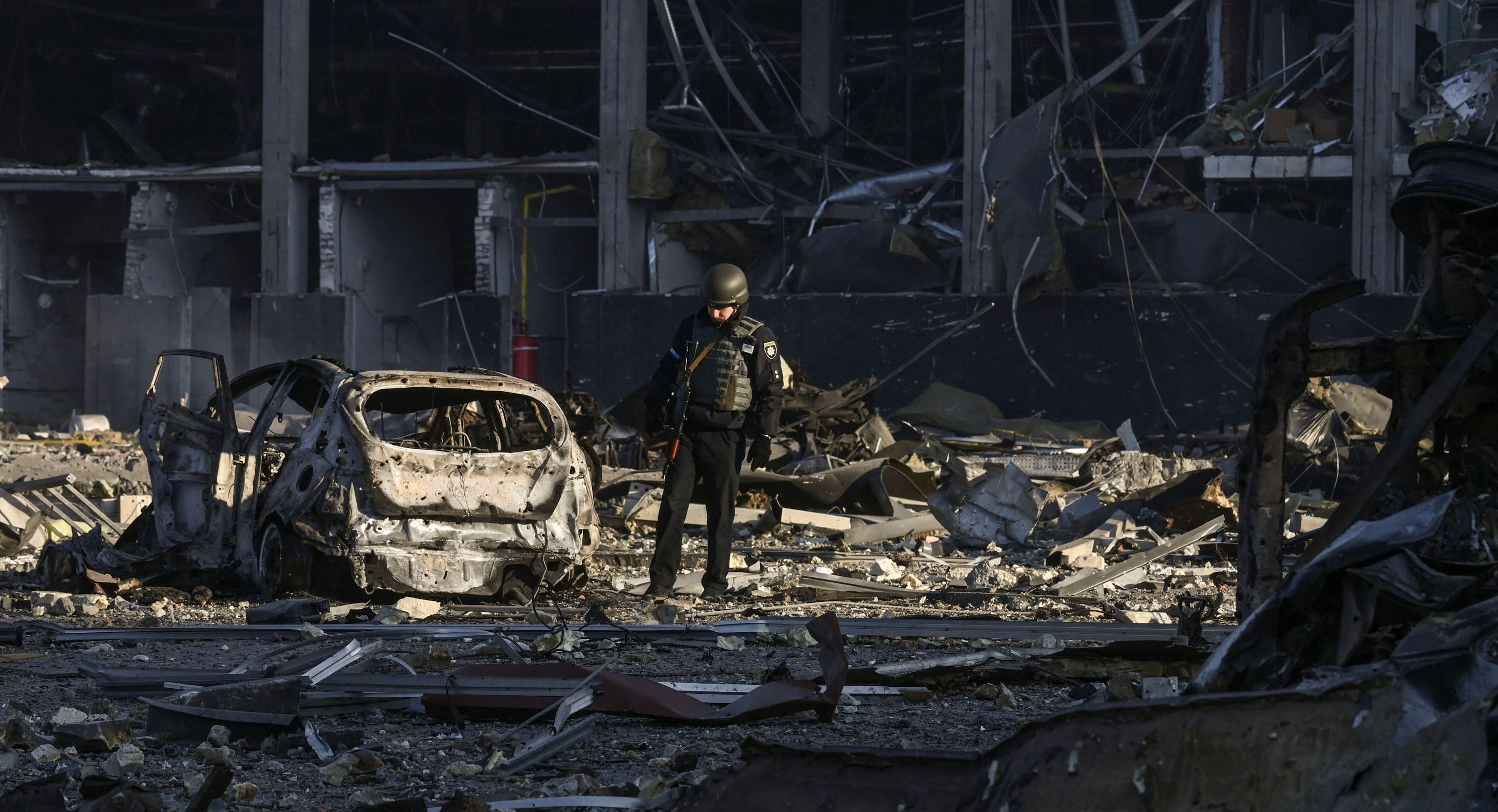
Both events also could force Washington to rethink or revive its Middle East partnerships.

Karim Sadjadpour
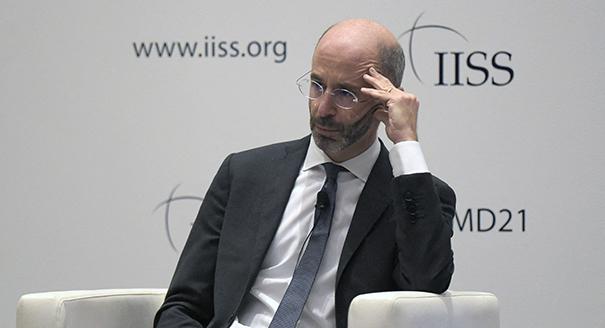
Disagreement between the United States and Iran over a revived nuclear accord may anchor volatile competition.

George Perkovich
A regular survey of experts on matters relating to Middle Eastern and North African politics and security.
Michael Young
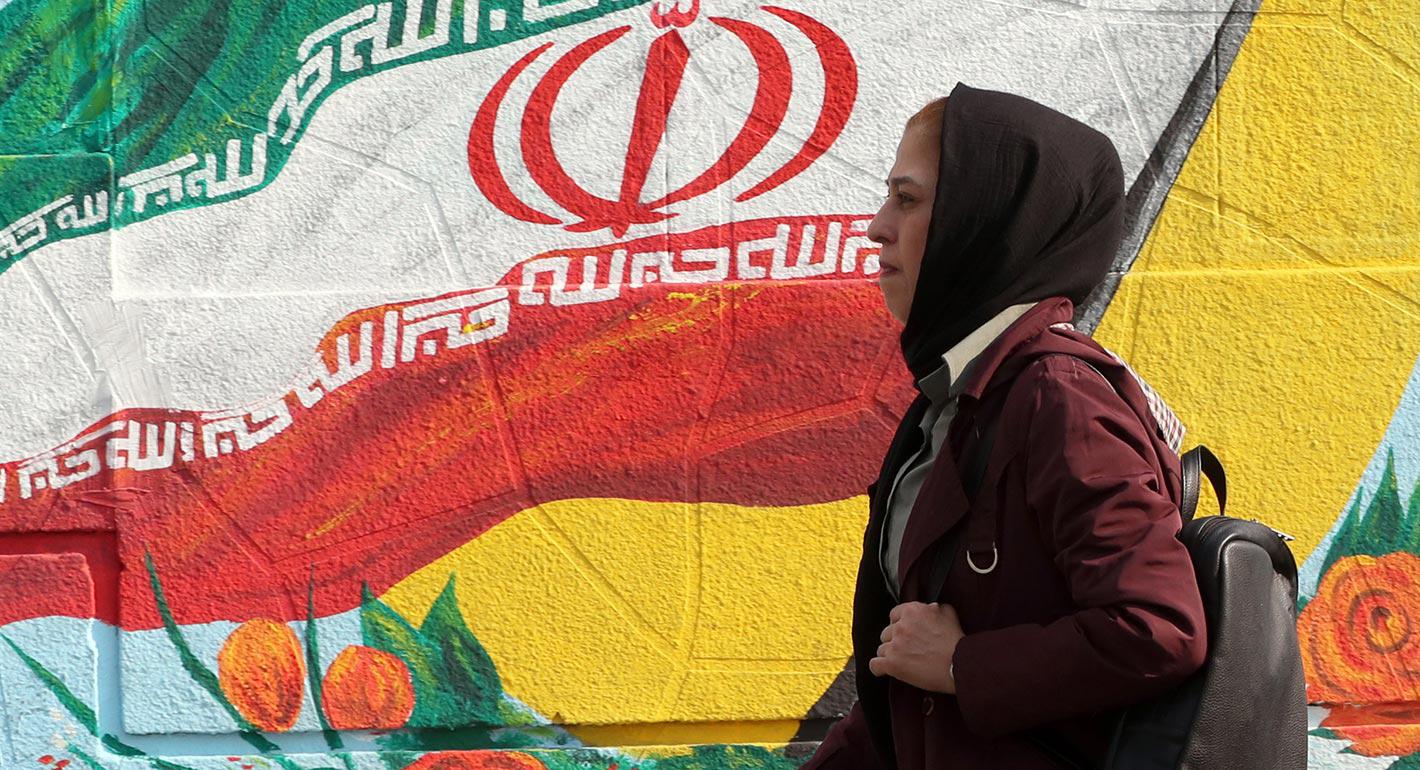
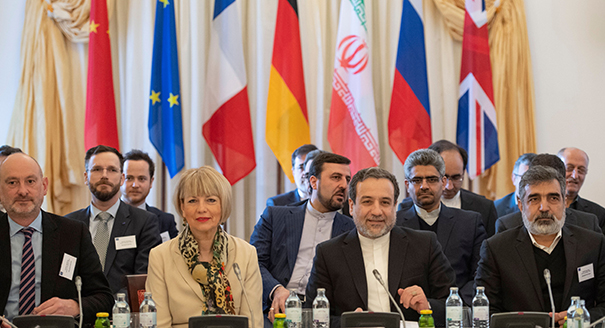
The British, French, and German foreign ministers have formally accused Iran of breaking the terms of the 2015 Iran nuclear deal, a step that could lead to sanctions. Are the Europeans preparing to pull the plug?

Jarrett Blanc