

Article
Marina Ottaway, Omar Hossino

REQUIRED IMAGE
Source: Carnegie
Summary
The U.S. government has made the promotion of women's rights and the empowerment of women a central element of its new campaign to modernize and democratize the Arab world. This new focus is widely supported, but its popularity has generated confusion about the actual conditions of women in the Middle East and the problems they face; about the relationship between women's rights and democracy; and about what an outside intervenor like the United States can accomplish. This paper seeks to clarify some of these issues.
Click on link above for the full text of this Carnegie Paper.
This is the fourth in a series of papers that frame key issues relating to democracy promotion policies and programs in the Middle East. Also in the series:

About the Author
Marina Ottaway is senior associate in the Democracy and Rule of Law Project. Among her most recent publications are The Right Road to Sovereignty in Iraq (Policy Brief no. 27) and Democracy Challenged: The Rise of Semi-Authoritarianism (Carnegie Endowment, 2003).
Some print copies are available.
Request a copy

Former Senior Associate, Middle East Program
Before joining the Endowment, Ottaway carried out research in Africa and in the Middle East for many years and taught at the University of Addis Ababa, the University of Zambia, the American University in Cairo, and the University of the Witwatersrand in South Africa.
Recent Work
Marina Ottaway, Omar Hossino
Marina Ottaway
Carnegie does not take institutional positions on public policy issues; the views represented herein are those of the author(s) and do not necessarily reflect the views of Carnegie, its staff, or its trustees.
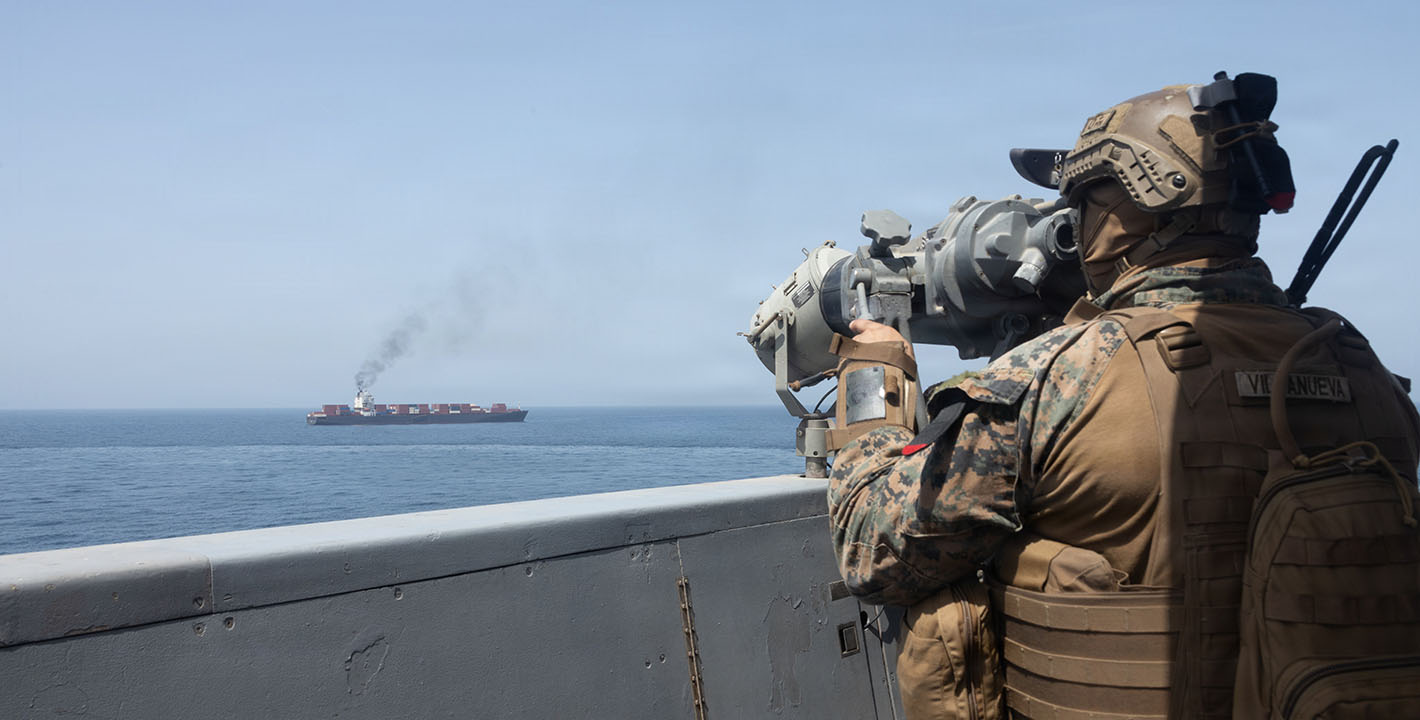
In an interview, Jim Lamson discusses the ongoing regional conflict and sees an unclear picture when it comes to winners and losers.

Michael Young
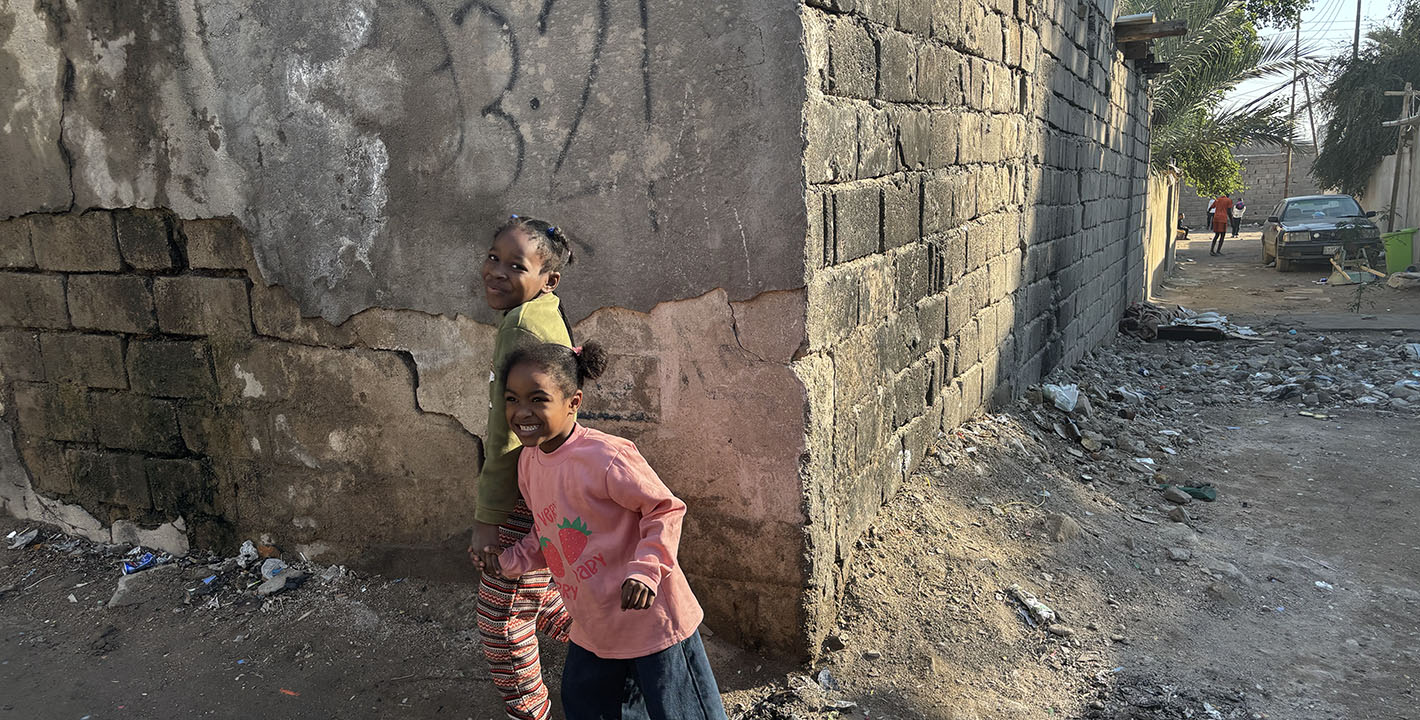
Afro-Iraqis experience political, economic, and social marginalization and discrimination, which exposes the poorest members of the community to the harsh realities of the region’s climate disaster.
Zeinab Shuker
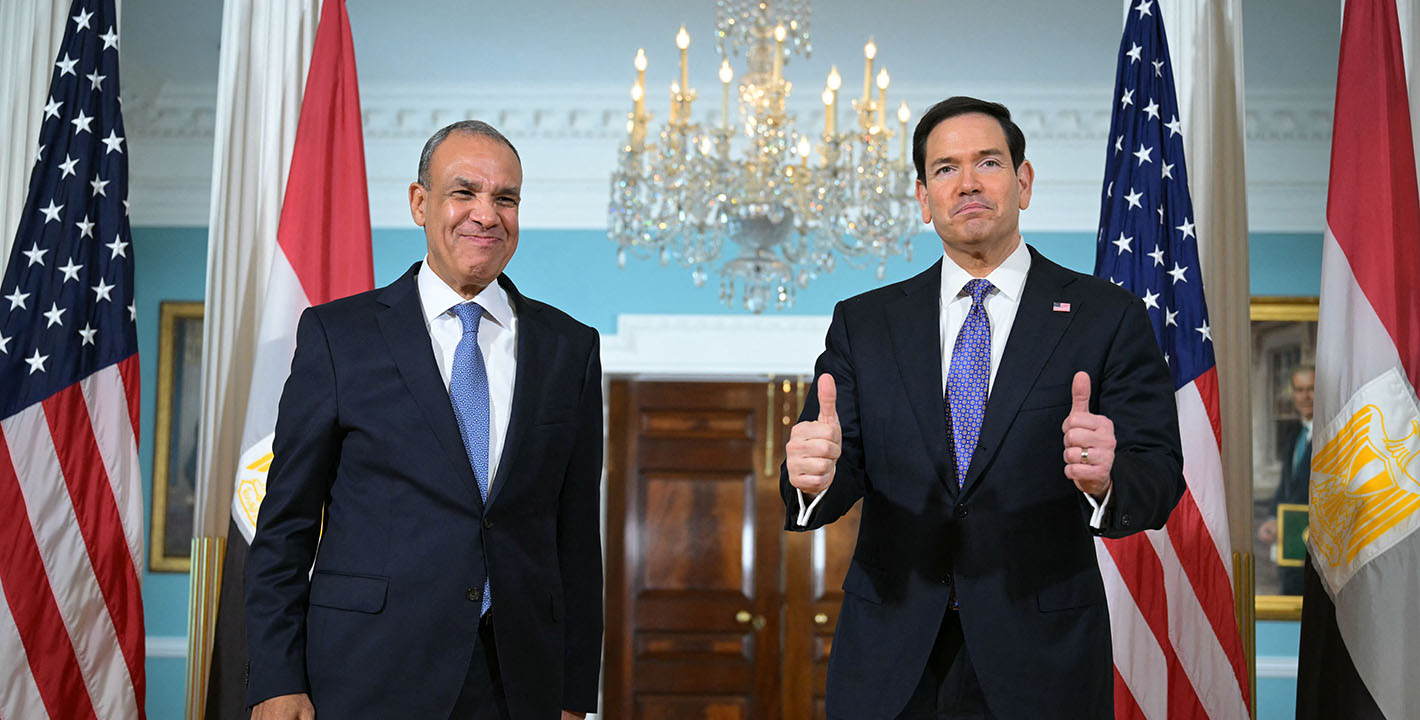
Cairo’s efforts send a message to the United States and the region that it still has a place at the diplomatic table.

Angie Omar
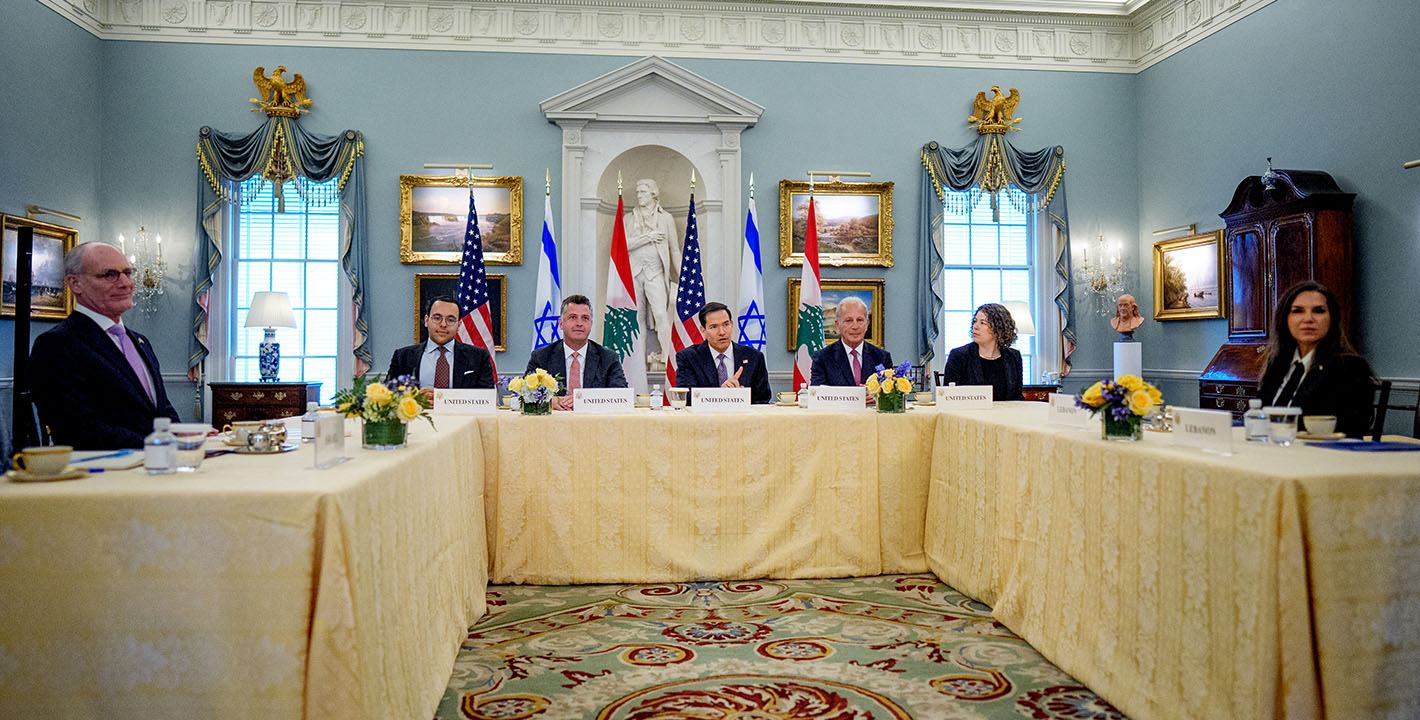
Beirut’s desire to break free from Iranian hegemony may push it into a situation where it has to accept Israel’s hegemony.
Michael Young
Spot analysis from Carnegie scholars on events relating to the Middle East and North Africa.
Michael Young