

Other
Anders Aslund

REQUIRED IMAGE
Source: Carnegie
Summary
Recent experience in Eastern Europe, East Asia, and South America supports the idea that institutions—such as an effective judiciary, protection of property rights, and more specific laws—are key to both long-term economic development and recovery from crises. Developing good institutions is generally viewed as a desirable goal, but there is no agreed road map for such changes.
Åslund and Johnson suggest, at least for former communist countries, the right way to begin strengthening institutions is by lowering the barriers to entry for new small businesses and the costs of running these firms by switching to a simple low lump-sum tax. This policy has economic advantages, but its most important effect is to change the political equilibrium, creating a powerful force for further institutional improvement.
Click on link above for the full text of this Carnegie Paper.
About the Authors
Anders Åslund is director of Carnegie's Russian and Eurasian Program. He is the author of The Enlargement of the European Union: Consequences for the CIS Countries (Carnegie Working Paper No. 36), and Building Capitalism: The Transformation of the Former Soviet Bloc.
Simon Johnson is associate professor of economics at the Sloan School of Business at the Massachusetts Institute of Technology.
Some print copies are available.
Request a copy

Former Senior Associate, Director, Russian and Eurasian Program
Recent Work
Anders Aslund
Anders Aslund
Carnegie does not take institutional positions on public policy issues; the views represented herein are those of the author(s) and do not necessarily reflect the views of Carnegie, its staff, or its trustees.

The armed forces champion a form of capitalism that is generating revenue, but its reliance on rent faces diminishing returns, leaving the country with massive sunk costs and deferred returns, deepening dependency on external borrowing.

Yezid Sayigh

Morocco and Algeria, each in its own way, are having to navigate the global economic fallout of the U.S.-Israeli military campaign against Iran.

Yasmine Zarhloule
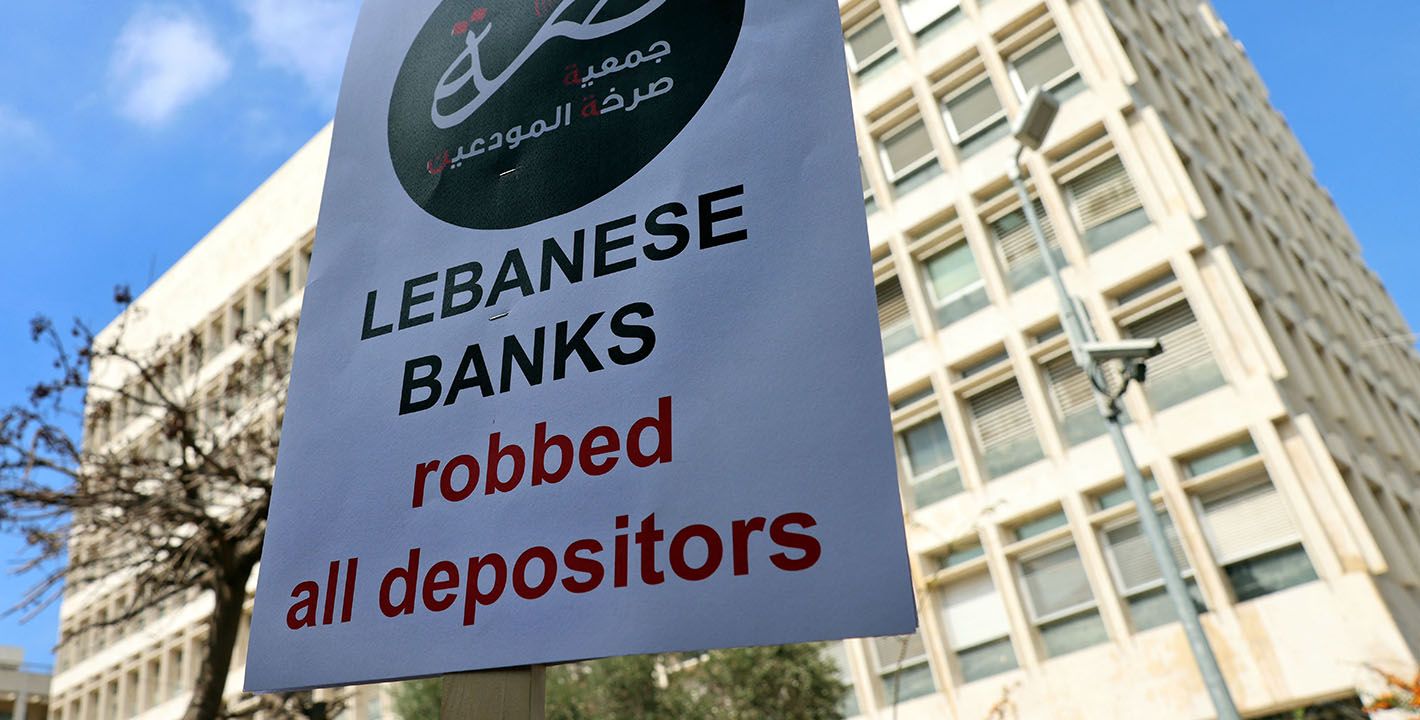
In an interview, Ishac Diwan looks at the merits and flaws in the draft legislation distributing losses from the financial collapse.

Michael Young

Mustaqbal Misr has expanded its portfolio with remarkable speed, but a lack of transparency remains.
Yezid Sayigh
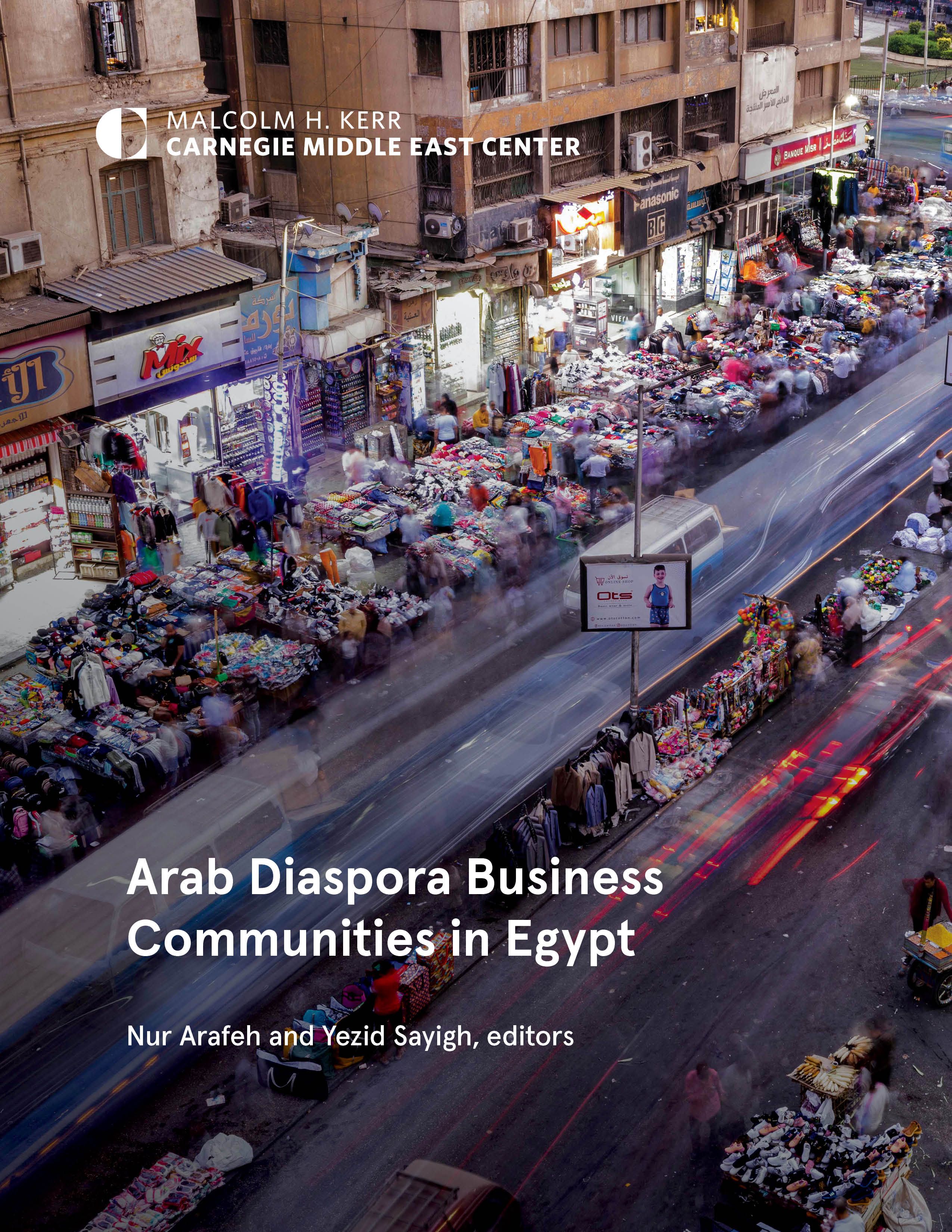
Arab diaspora business communities in Egypt often mirror the same systemic challenges facing Egyptian businesses.

Nur Arafeh, Yezid Sayigh, Qaboul al-Absi, …