

Commentary
In an interview, Marc Lynch discusses his new book decrying the post-1990 U.S.-dominated order in the Middle East.
Michael Young

REQUIRED IMAGE
A compilation of information on fissile material around the world.
Number of kilograms of highly-enriched uranium (HEU)
needed for a nuclear weapon 15-25[i]
Number of kilograms in global HEU stockpiles 1,900,000
Number of countries with at least 1 kg of HEU 53
Number of countries with at least one bomb’s worth (25kg) of HEU 24
Number of countries with at least twenty bombs' worth (500kg) of HEU 12
Number of kilograms of HEU in civil power and research programs 50,000
Number of civil research facilities that still have 20kg or more of HEU 128
Number of kilograms of plutonium needed for a nuclear weapon 4-8
Number of kilograms of plutonium in global stockpiles 1,830,000
Number of kilograms of weapons usable (separated) plutonium in
the global stockpile 238,000
Number of countries with at least one bomb’s worth (8kg) of plutonium 35
Number of countries with at least 5,000 kg of plutonium 25
Percentage of civil fissile material stocks that is plutonium 91
Number of kilograms by which civil plutonium increases every year 70,000
Number of kilograms of plutonium released on Earth from
nuclear explosions 10,000
Number of nuclear weapons that could be made
from existing fissile materials 300,000
Number of countries with uranium enrichment facilities 9
Number of countries with new enrichment or reprocessing projects 11
Number of illicit trafficking and other unauthorized activities involving
nuclear and radiological materials in 2004 121
Number of confirmed incidents involving trafficking of HEU or plutonium
between 1993-2004 18
The Facts in This Analysis Are From:
"Global Stocks of Nuclear Explosive Materials," ISIS, September 7, 2005< FONT>
“Global Cleanout of Civil Nuclear Material: Toward a Comprehensive, Threat-Driven Response,” Strengthening the Global Partnership Issue Brief #4, Philipp Bleek, September 2005
IAEA Illicit Trafficking Database (ITDB)
“World Nuclear Fuel Facilities,” WISE Uranium Project
“Highly Enriched Uranium Transferred to
<>Fissile Materials Page, Proliferation News and Resources Website, Carnegie Endowment for International Peace
[1]Deadly Arsenals: Nuclear, Biological, and Chemical Threats, Joseph Cirincione, Jon B. Wolfsthal, and Miriam Rajkumar, Carnegie Endowment for International Peace, July 2005, “The significant quantities that the IAEA specifies are 25 kilograms of highly enriched uranium and 8 kilograms of plutonium. The minimum or exact amount of nuclear material needed to produce nuclear weapons is classified information in all nuclear weapon states. The
Ben Bain
Former Junior Fellow, Nonproliferation Project
Carnegie does not take institutional positions on public policy issues; the views represented herein are those of the author(s) and do not necessarily reflect the views of Carnegie, its staff, or its trustees.
In an interview, Marc Lynch discusses his new book decrying the post-1990 U.S.-dominated order in the Middle East.

Michael Young
Both events also could force Washington to rethink or revive its Middle East partnerships.

Karim Sadjadpour
Disagreement between the United States and Iran over a revived nuclear accord may anchor volatile competition.

George Perkovich
A regular survey of experts on matters relating to Middle Eastern and North African politics and security.
Michael Young
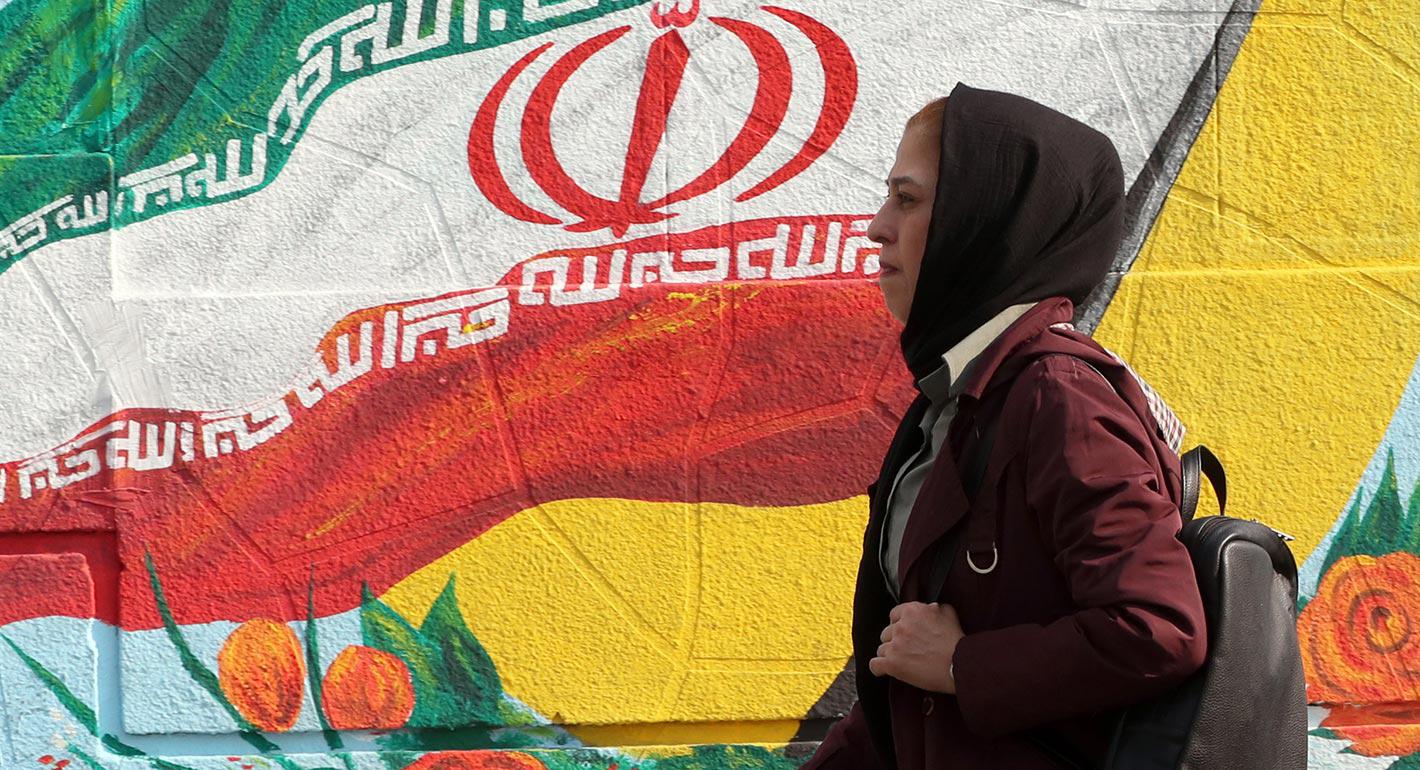
The British, French, and German foreign ministers have formally accused Iran of breaking the terms of the 2015 Iran nuclear deal, a step that could lead to sanctions. Are the Europeans preparing to pull the plug?

Jarrett Blanc