

Commentary
In an interview, Marc Lynch discusses his new book decrying the post-1990 U.S.-dominated order in the Middle East.
Michael Young

REQUIRED IMAGE
United Nations Secretary General Kofi Annan warned in a major speech last week that “we cannot continue to lurch from crisis to crisis, until the [NPT] regime is buried beneath a cascade of nuclear proliferation.”
United Nations Secretary General Kofi Annan warned in a major speech last week that “we cannot continue to lurch from crisis to crisis, until the regime is buried beneath a cascade of nuclear proliferation.”
With global attention now focused on the specific case of Iran, the Secretary General noted that “twice last year, governments had the chance to strengthen the foundations of the NPT regime, by agreeing on more robust IAEA inspections; incentives and guarantees for countries to forgo the enrichment and reprocessing of fissile materials; and energetic steps to meet disarmament commitments. Both times, they failed. We cannot afford any more such squandered chances.”
Annan warned the audience gathered for the UN Association of the United Kingdom meeting in London on January 31 that we cannot take a piece-meal approach to proliferation. We cannot expect to prevent nuclear terrorism or stop nations from acquiring nuclear weapons if “those states that already have them increase their arsenals, or insist that such weapons are essential to their national security.” Other states, he said, “feel that they too must have them, for their security.”
An excerpt and a link to the full text of Secretary General’s speech are provided below.
Excerpt from speech of Secretary General Kofi Annan to the United Nations Association of the
The World Summit last September… took important steps forward...
[But], there are areas where world leaders failed to reach any agreement at all. The biggest disappointment, for me, was their failure to chart a way forward on disarmament and non-proliferation.
Can there be any threat more alarming, in today’s world, than that of a nuclear or biological weapon falling into the hands of terrorists, or being used by a State, as a result of some terrible misunderstanding or miscalculation? The more States have such weapons, the greater the risk. And, the more those States that already have them increase their arsenals, or insist that such weapons are essential to their national security, the more other States feel that they too must have them, for their security.
For 35 years the Nuclear Non-Proliferation Treaty has been remarkably successful in protecting mankind from this danger. But now, it faces a very serious challenge.
Today’s headlines concern
But, when we step back from the headlines, it should be clear that we cannot continue to lurch from crisis to crisis, until the regime is buried beneath a cascade of nuclear proliferation.
Twice last year, Governments had the chance to strengthen the foundations of the NPT regime, by agreeing on more robust IAEA inspections; incentives and guarantees for countries to forgo the enrichment and reprocessing of fissile materials; and energetic steps to meet disarmament commitments.
Both times, they failed. We cannot afford any more such squandered chances.
For the full text of the Secretary General's speech, click here.
Caterina Dutto
Former Research Assistant
Carnegie does not take institutional positions on public policy issues; the views represented herein are those of the author(s) and do not necessarily reflect the views of Carnegie, its staff, or its trustees.
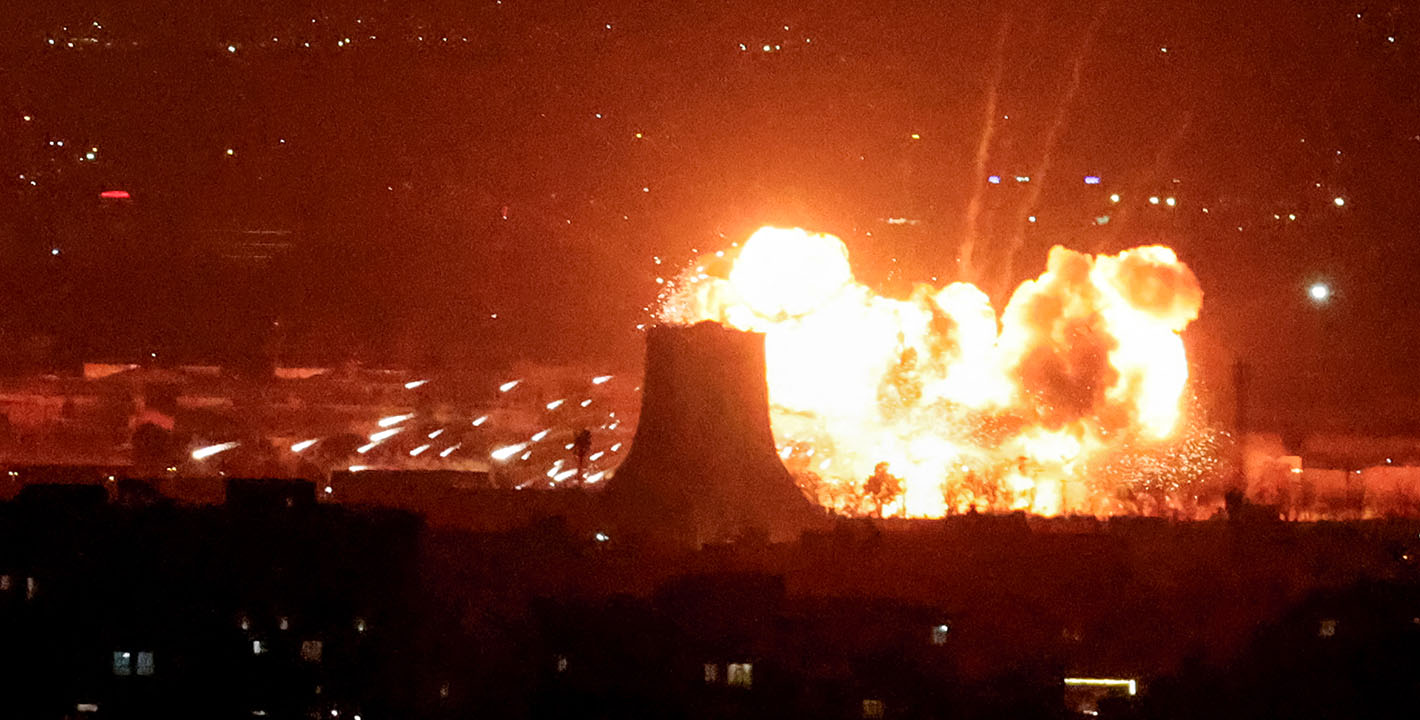
In an interview, Marc Lynch discusses his new book decrying the post-1990 U.S.-dominated order in the Middle East.

Michael Young
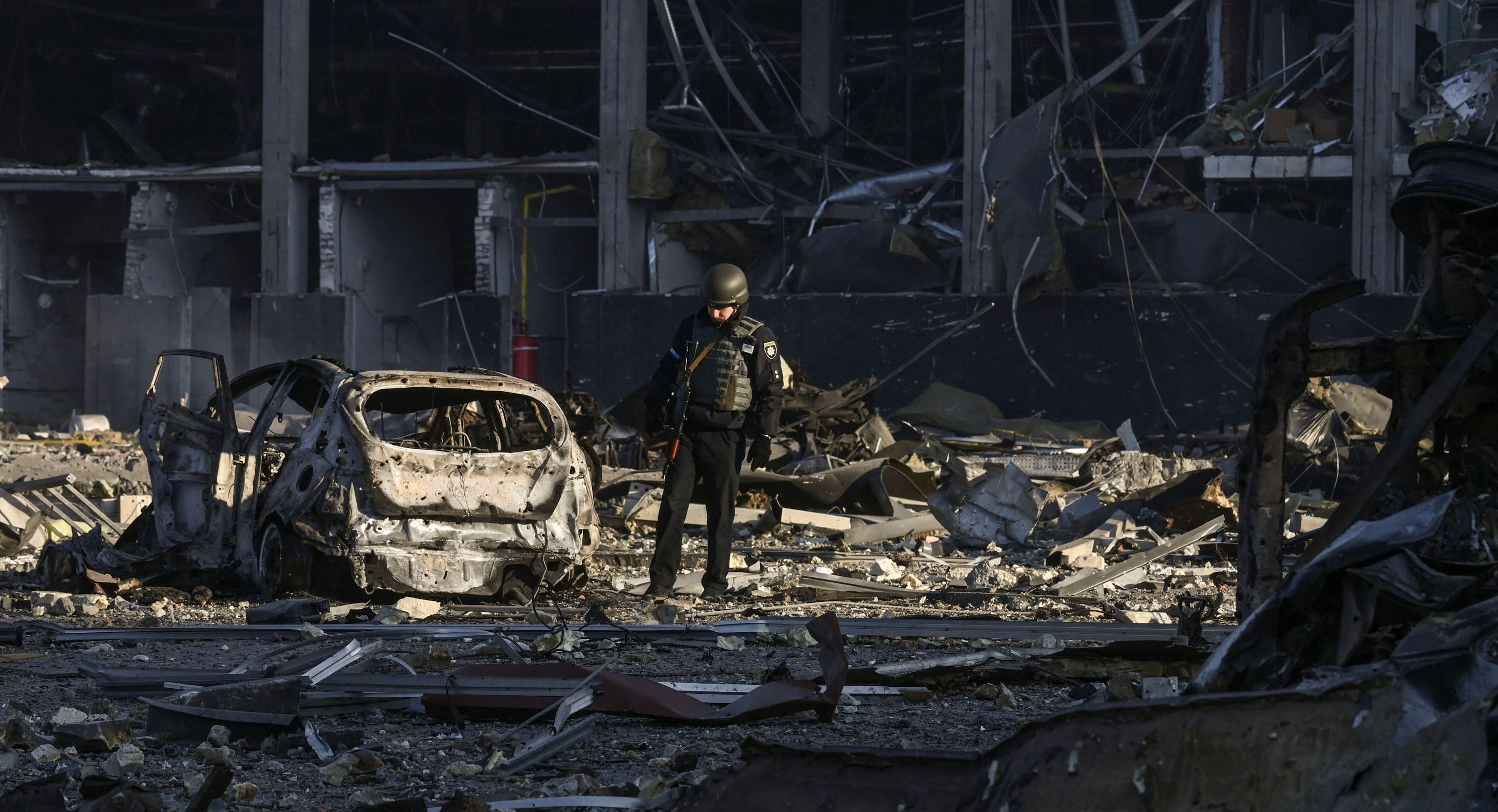
Both events also could force Washington to rethink or revive its Middle East partnerships.

Karim Sadjadpour
Disagreement between the United States and Iran over a revived nuclear accord may anchor volatile competition.

George Perkovich
A regular survey of experts on matters relating to Middle Eastern and North African politics and security.
Michael Young
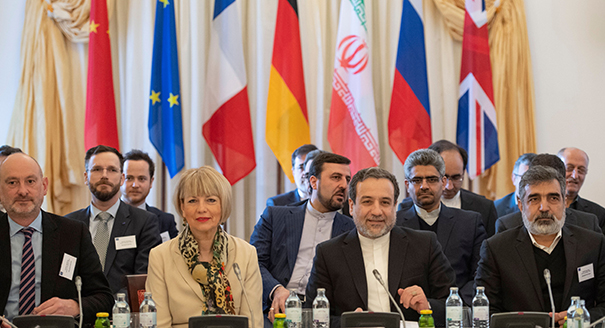
The British, French, and German foreign ministers have formally accused Iran of breaking the terms of the 2015 Iran nuclear deal, a step that could lead to sanctions. Are the Europeans preparing to pull the plug?
Jarrett Blanc