

Article
Mitigating the repercussions of climate change in Kuwait is crucial for lessening economic disparities and achieving social justice.
Courtney Freer

Source: Getty
The 2006 parliamentary elections in Kuwait have two striking features. First, they are occasioned by an intense controversy over the size of electoral districts—a seemingly technical matter with significant implications for Kuwaiti political life. Second, in this dispute, liberals and Islamists are very much on the same side—a rare alliance in the region, and unusual even in Kuwait.
On June 29, 2006, Kuwaitis go to the polls to elect a parliament. While the elections have drawn little international attention, the poll could have deep implications for the future of the Arabian peninsula’s most democratic political system. This year’s voting may seem routine—with two interruptions, Kuwait has had regular parliamentary elections since independence. But the 2006 parliamentary elections have two striking features. First, they are occasioned by an intense controversy over the size of electoral districts—a seemingly technical matter with significant implications for Kuwaiti political life. Second, in this dispute, liberals and Islamists are very much on the same side—a rare alliance in the region, and unusual even in Kuwait.
This is a web-only publication.

Nonresident Senior Fellow, Middle East Program
Nathan J. Brown, a professor of political science and international affairs at George Washington University, is a distinguished scholar and author of nine books on Arab politics and governance, as well as editor of five books.
Dina Bishara
Carnegie does not take institutional positions on public policy issues; the views represented herein are those of the author(s) and do not necessarily reflect the views of Carnegie, its staff, or its trustees.
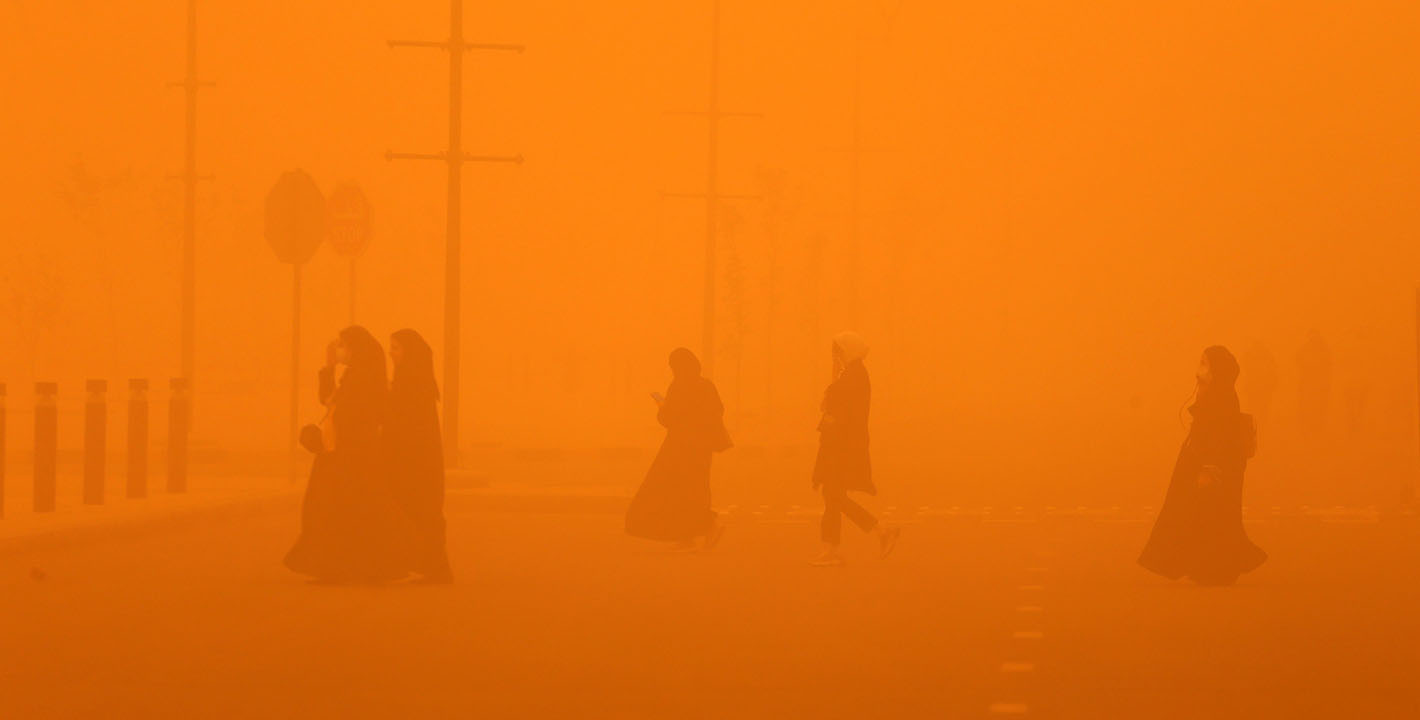
Mitigating the repercussions of climate change in Kuwait is crucial for lessening economic disparities and achieving social justice.
Courtney Freer
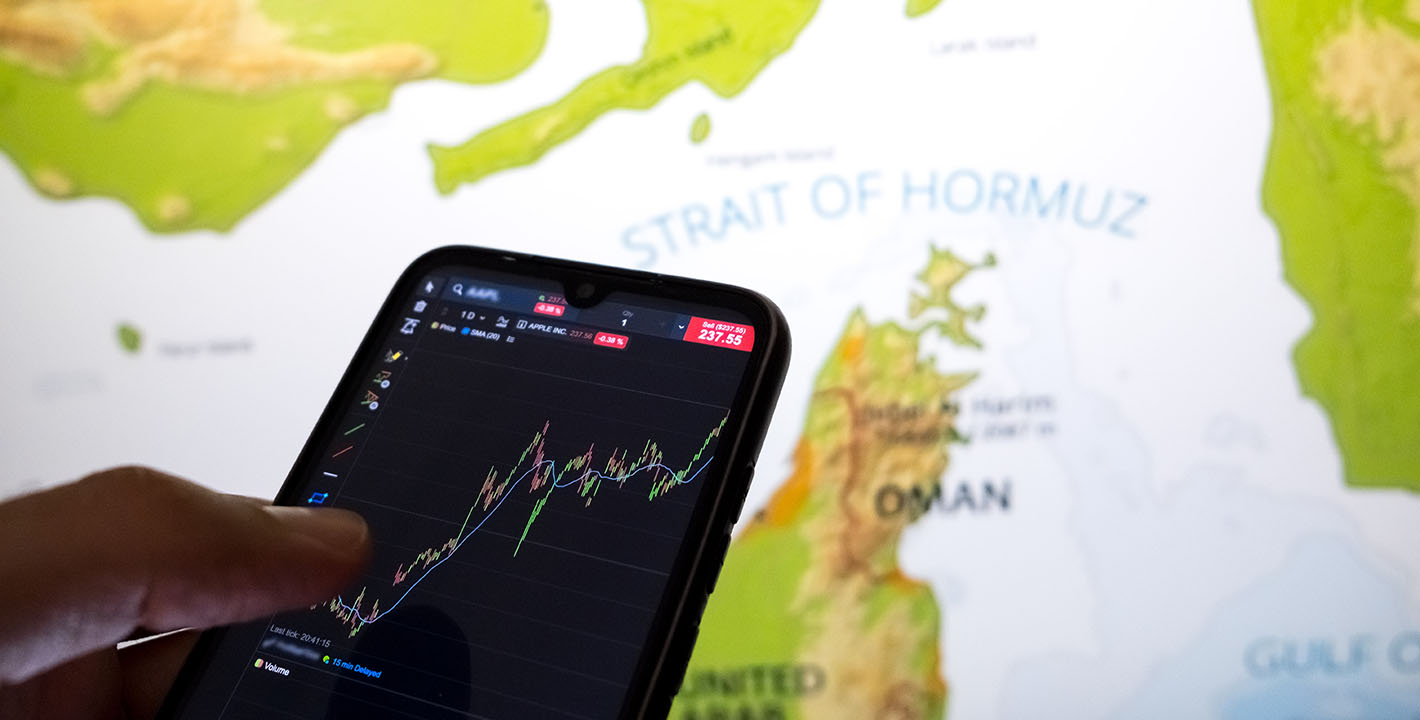
In an interview, Roger Diwan discusses where the global economy may be going in the third week of the U.S.-Israeli war with Iran.

Nur Arafeh
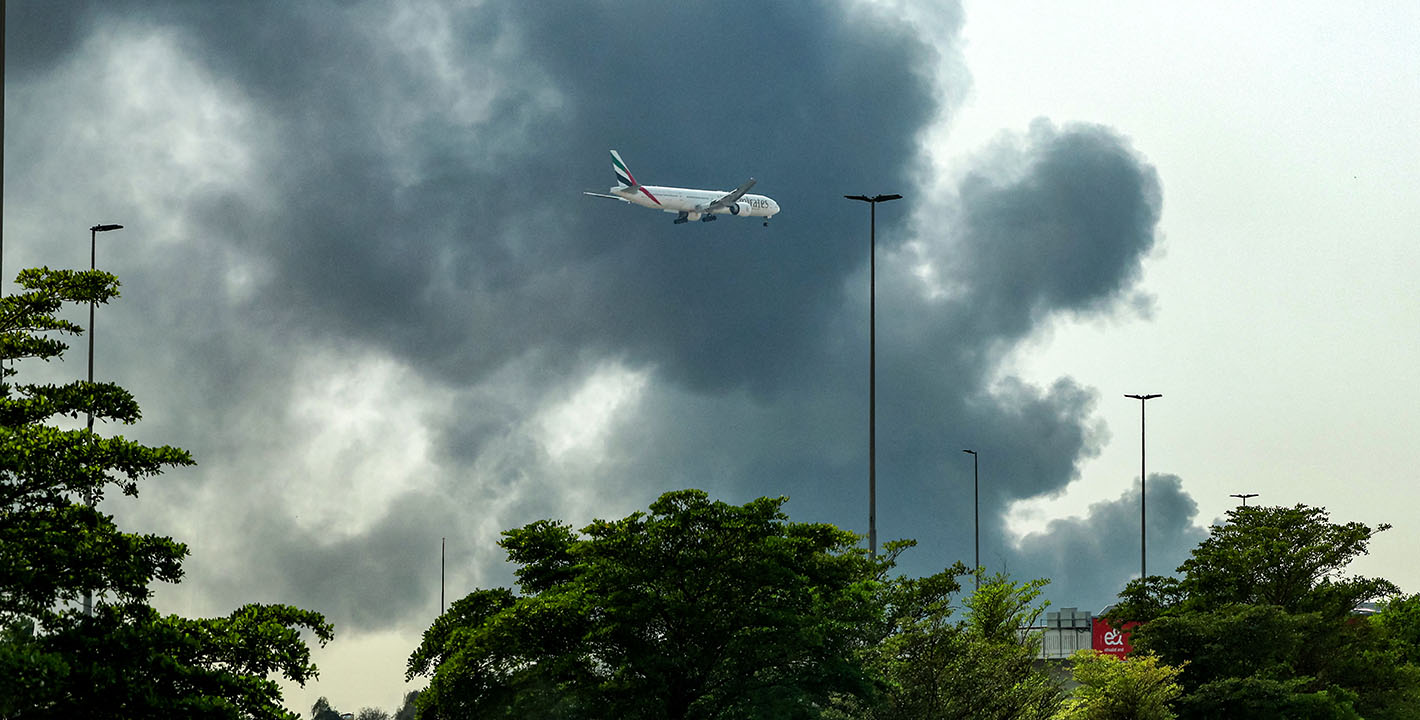
In an interview, Andrew Leber discusses the impact the U.S. and Israeli war against Iran is having on Arab Gulf states.

Michael Young
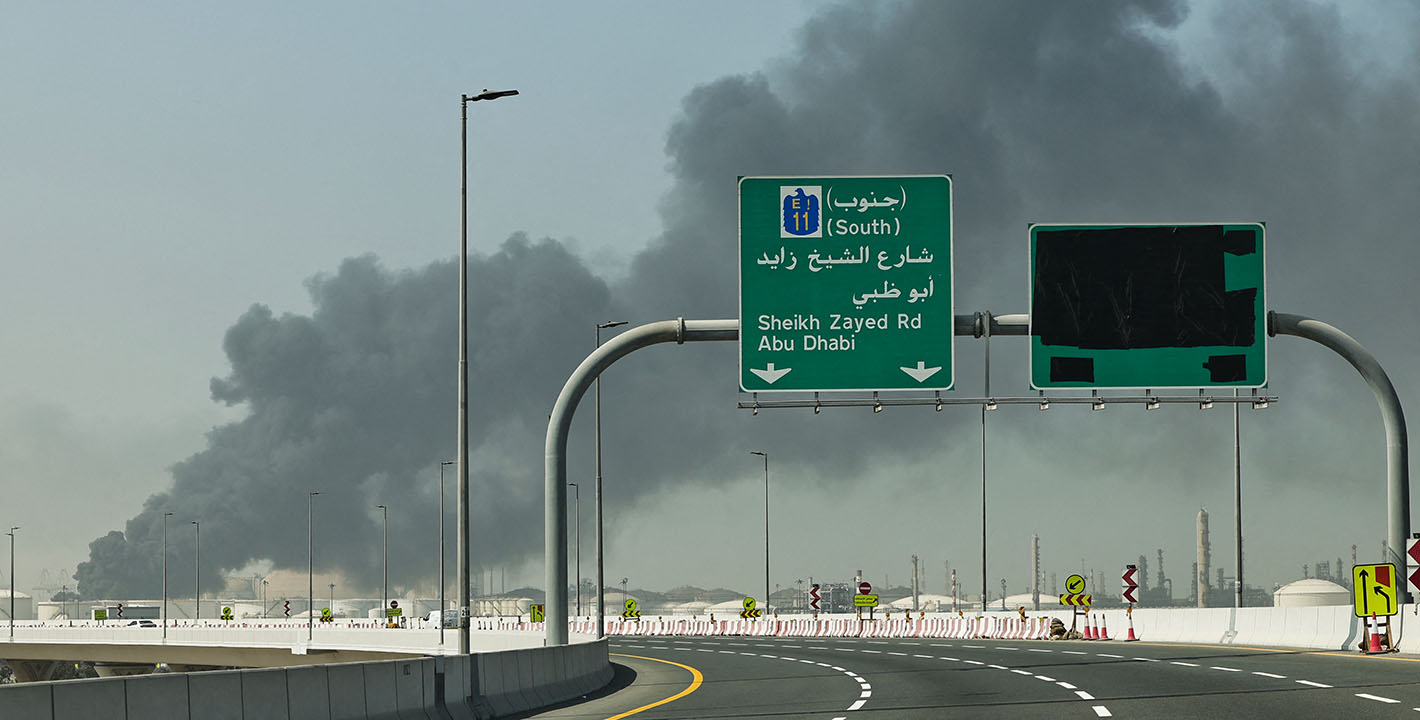
The countries in the region are managing the fallout from Iranian strikes in a paradoxical way.

Angie Omar

The GCC states are, to varying degrees, opening up to digital finance. This is part of an effort to diversify their economies and wean themselves off U.S.-dominated monetary systems.
Ala’a Kolkaila