

Commentary
In an interview, Ishac Diwan looks at the merits and flaws in the draft legislation distributing losses from the financial collapse.
Michael Young

REQUIRED IMAGE
As globalization spread over the last twenty years, migration expanded less rapidly than either trade or foreign investment. Yet migration remains contentious. The net impact of migration is positive for the migrants and high-income countries, and more gains are feasible. Developing countries, however, may suffer from growing brain-drain.
As globalization spread dramatically over the last twenty years, migration expanded less rapidly than either trade or foreign investment. Yet migration remains contentious, often being blamed for income stagnation, even as some economists praise it as the fastest route to raising world incomes. The reality is more limited and nuanced.
Money sent by migrants to their home countries can promote rapid growth in developing regions, and the withdrawal of laborers can induce higher wages or less underemployment for those left behind. However, the flow of money can dry up quickly and unexpectedly, as has happened recently in Mexico.
Robert Lucas is a professor of Economics at Boston University. His research has included work on internal and international migration, employment and human resources, income distribution and inter-generational inequality, international trade and industry, the environment, and sharecropping. He has served as chief technical adviser to the Malaysia Human Resource Development Program, and director of undergraduate studies and the M.A. program in Economics at Boston University. He is also a Research Affiliate at the MIT Center for International Studies. His latest book, International Migration and Economic Development: Lessons from Low-Income Countries, was published by Edward Elgar Press in 2005.
Robert E.B. Lucas

In an interview, Ishac Diwan looks at the merits and flaws in the draft legislation distributing losses from the financial collapse.

Michael Young
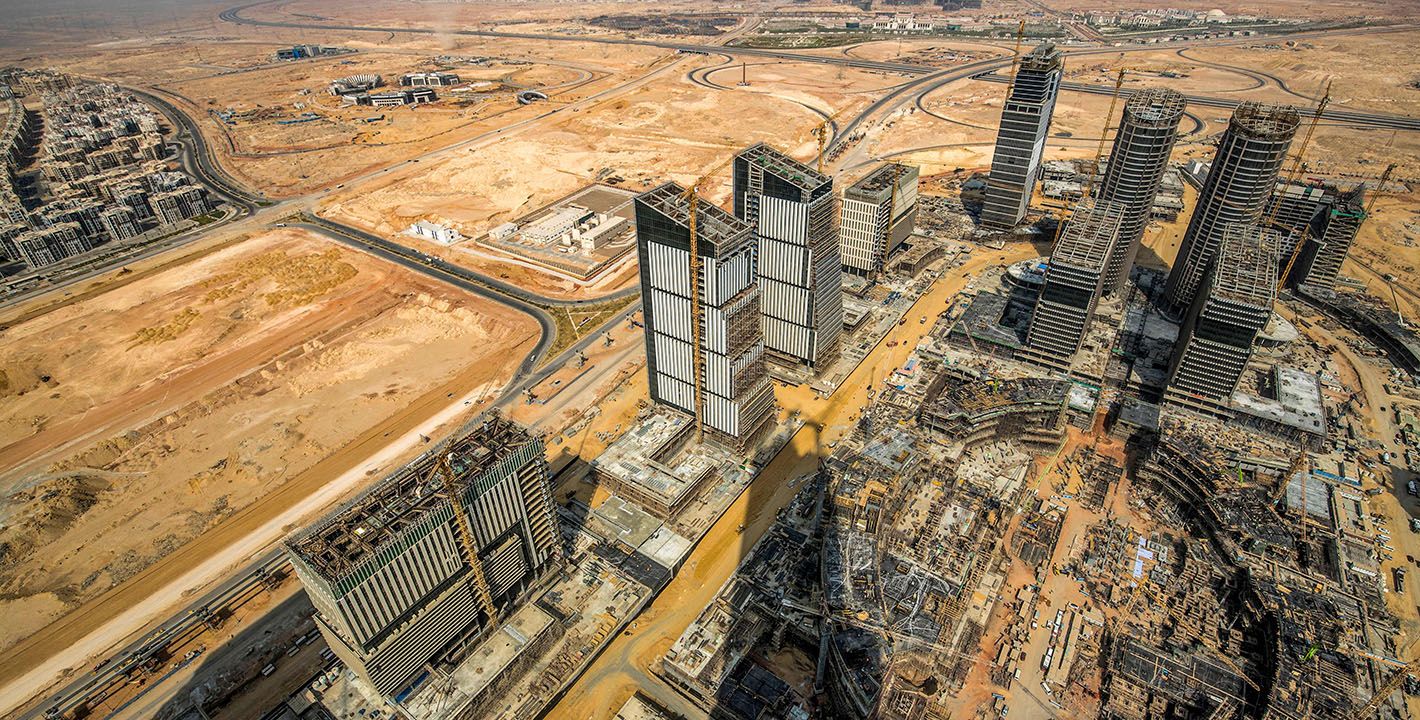
Mustaqbal Misr has expanded its portfolio with remarkable speed, but a lack of transparency remains.

Yezid Sayigh
Arab diaspora business communities in Egypt often mirror the same systemic challenges facing Egyptian businesses.
Nur Arafeh, Yezid Sayigh, Qaboul al-Absi, …

Largely characterized thus far by a single-minded focus on extractivism, Riyadh must commit to greater equitability in its approach to investment and development deals with Sudan, Ethiopia, and Eritrea.

Hesham Alghannam
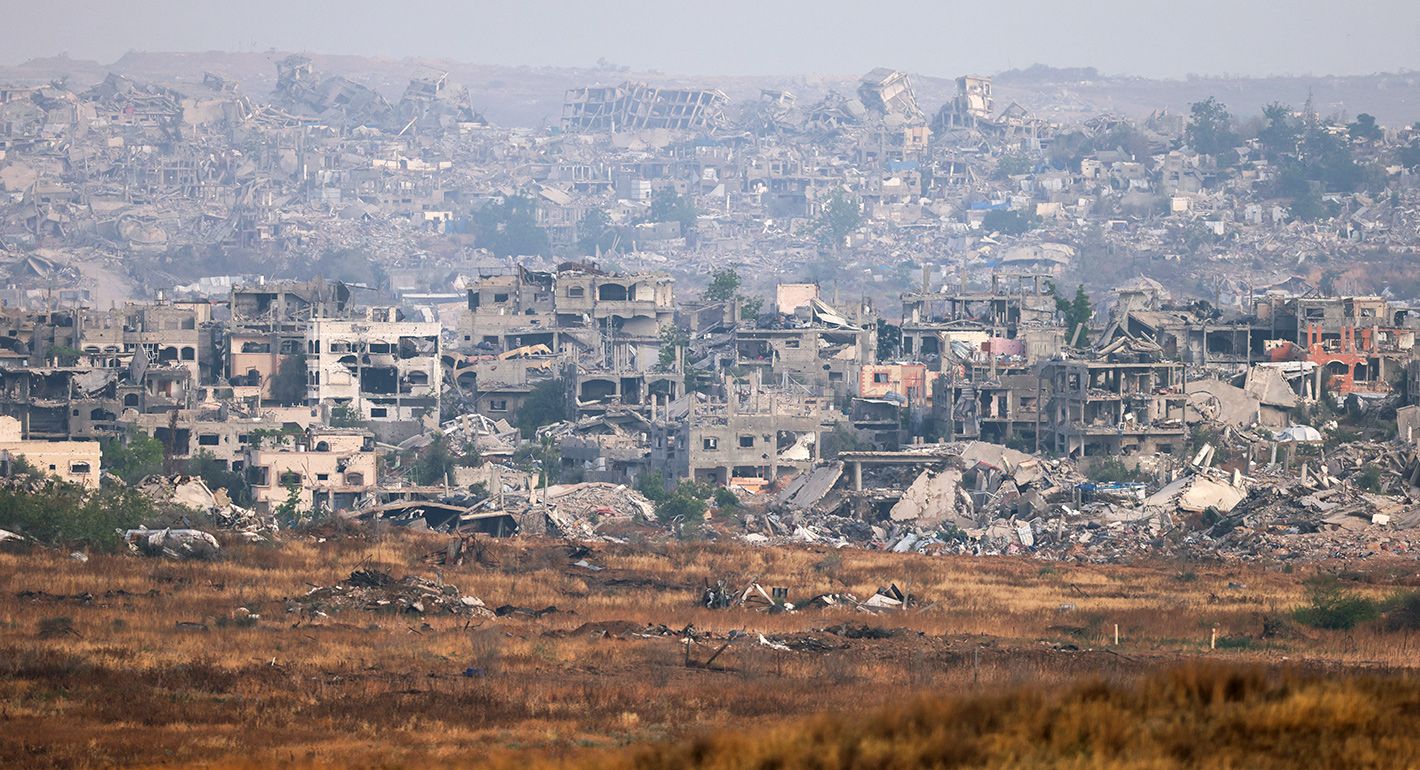
Once Israel’s war in the territory is brought to an end, the foundational principles guiding reconstruction should be Palestinian self-determination, local agency, and sovereignty.
Nur Arafeh, Mandy Turner