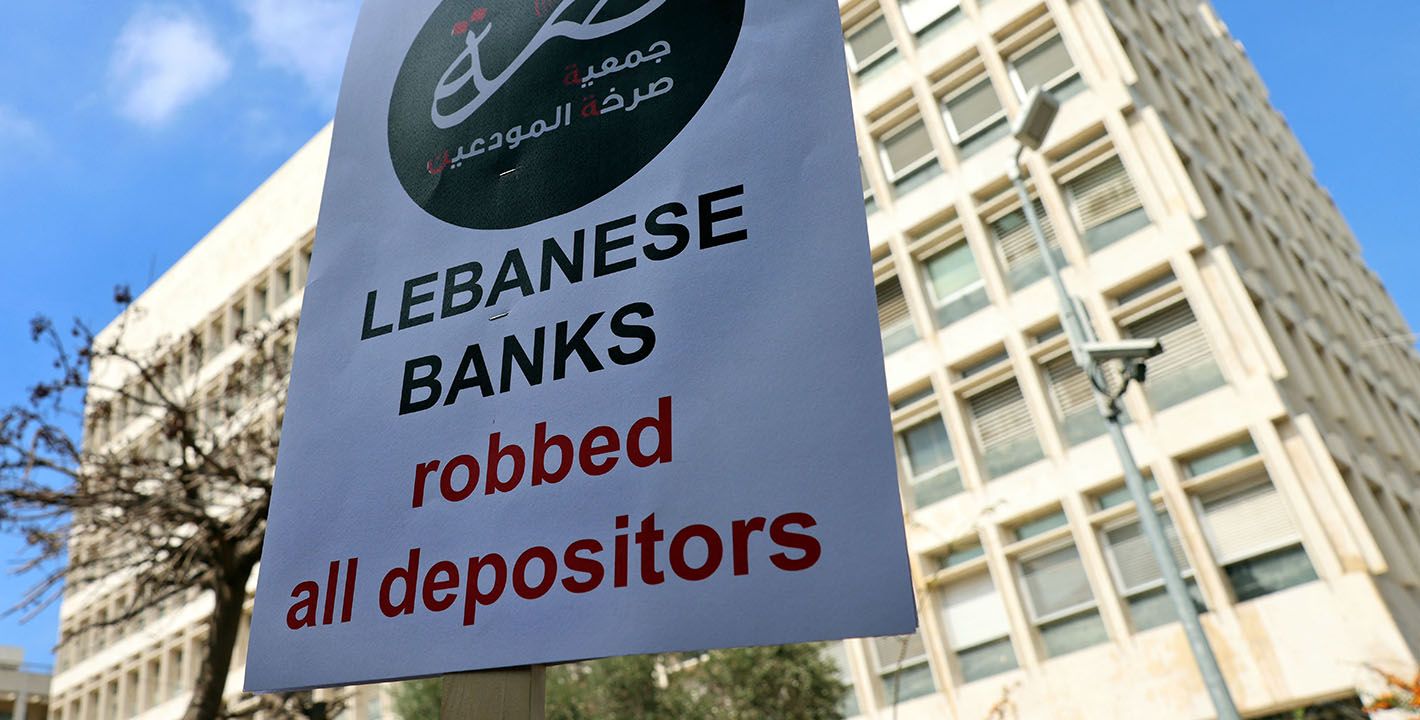

In an interview, Ishac Diwan looks at the merits and flaws in the draft legislation distributing losses from the financial collapse.
Michael Young
Source: Getty
Helped by monetary and fiscal stimulus, as well as by the need to rebuild inventories, various production indicators continued to show improvement last week. However, final private demand and consumer confidence continued to register weakness, suggesting that while world economic activity is stabilizing, it is not yet firmly on a path of sustained recovery.
Although there has been a marked easing of credit conditions and stock markets are rallying, low levels of activity (e.g. industrial production in May is down over last year by 13.6 percent in the U.S., 29.5 percent in Japan, and 17 percent in the Euro Area), and high and rising unemployment, signal continued strain on the balance sheets of many households and firms. This is reflected in rising loan default rates. The consensus forecast and the financial markets are betting on a sustained recovery beginning in the third or fourth quarter of this year, and this is probably on balance the right bet. However, so long as corporate and household balance sheets remain under such great strain, the risk of a failed take-off, or of a take-off followed by a relapse, remain considerable.
Appropriately, signals from the Fed and other central banks convey that monetary policy will remain supportive in the foreseeable future, especially given low inflation readings. Furthermore, much of the effect of fiscal stimulus still lies ahead.
The Real Economy: Production stabilizing but final demand remains weak
Economic Policy: Still stimulative
Financial Markets: Credit conditions continuing to ease
Carnegie does not take institutional positions on public policy issues; the views represented herein are those of the author(s) and do not necessarily reflect the views of Carnegie, its staff, or its trustees.
In an interview, Ishac Diwan looks at the merits and flaws in the draft legislation distributing losses from the financial collapse.
Michael Young
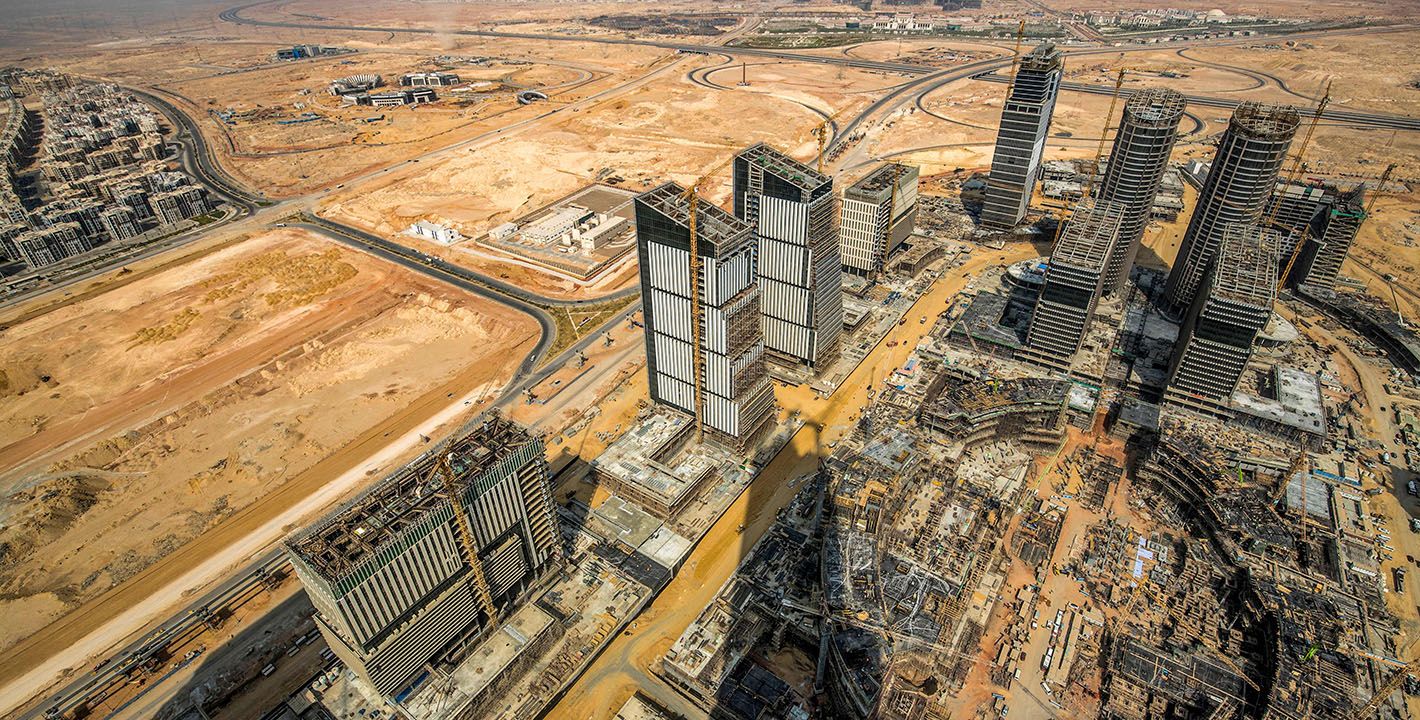
Mustaqbal Misr has expanded its portfolio with remarkable speed, but a lack of transparency remains.
Yezid Sayigh
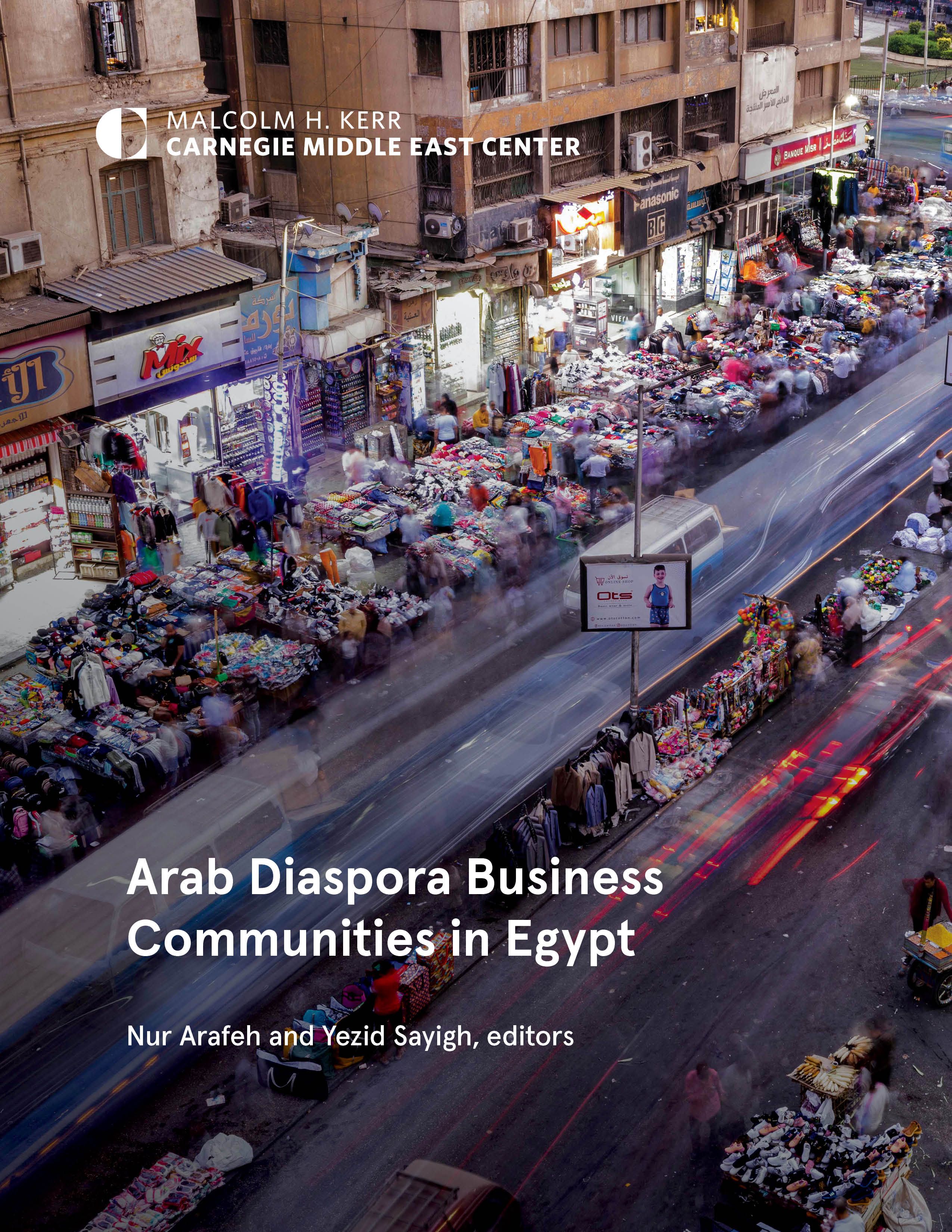
Arab diaspora business communities in Egypt often mirror the same systemic challenges facing Egyptian businesses.
Nur Arafeh, Yezid Sayigh, Qaboul al-Absi, …
Largely characterized thus far by a single-minded focus on extractivism, Riyadh must commit to greater equitability in its approach to investment and development deals with Sudan, Ethiopia, and Eritrea.
Hesham Alghannam
Once Israel’s war in the territory is brought to an end, the foundational principles guiding reconstruction should be Palestinian self-determination, local agency, and sovereignty.
Nur Arafeh, Mandy Turner