

Commentary
In an interview, Ishac Diwan looks at the merits and flaws in the draft legislation distributing losses from the financial collapse.
Michael Young
Source: Getty
Asset prices are soaring in emerging markets as investors, borrowing cheaply in mature economies, search for higher-yielding investments. While prices are not yet abnormal, they may challenge recoveries in emerging markets.
Asset prices are soaring in emerging markets as investors, borrowing cheaply in mature economies, search for higher-yielding investment destinations. Though prices are not yet historically abnormal, they may challenge recovery efforts there. Policy makers there must tread a narrow path, maintaining international competitiveness and asset price stability without aborting recovery. The longer the price surge continues, the sharper the dilemma. How quickly monetary policy is tightened in the industrial countries and China will play a crucial role.
Asset Prices Are Soaring
Equity, bond, and real estate prices have surged in emerging markets.

What Is Causing the Surge?
As fears of economic Armageddon eased, investors increasingly reduced holdings in low-yielding “safe haven” economies in favor of emerging markets, where growth is stronger and post-crisis public debt and private sector deleveraging are smaller concerns. Low interest rates in advanced countries and large liquidity injections worldwide have also made the “carry-trade” easier and contributed to the surge.
Not Yet a Bubble
Despite this surge, prices are still well below highs seen in the recent past. Price-to-book-value ratios, which measure the premium the market is willing to pay for a company above its tangible assets, are near average levels. Moreover, inflation in emerging markets remains mild, suggesting that the asset price spike has not spread to the rest of the economy.
Surge Poses a Moderate Risk to the Global Recovery So Far
These price surges could cause or temporarily conceal bad debts in a number of smaller economies, hurting investors who have turned to these markets. However, unless these surges continue, the risk to the global recovery will be contained.
A Continued Surge May Hurt Emerging Markets and Challenge Policy Makers
Strengthening capital flows are straining emerging markets by driving up exchange rates. Policy makers there face a familiar dilemma: tightening monetary policy could quell asset bubbles by limiting domestic liquidity, but it could also endanger domestic recoveries, encourage further capital inflows, and put additional upward pressure on exchange rates.
How Quickly Large Economies Tighten Monetary Policy Will Be Crucial
If, as expected, advanced economies continue to recover, faster growth and subsequent interest rate increases may eventually ease the frothy conditions in emerging markets, minimizing the policy dilemma there. But, if large economies keep interest rates loose for too long, faster global growth could instead add fuel to the fire. Tighter monetary policy in the United States and the Euro area is still a way off, but may be edging closer.
Looking Ahead
For an update on the unemployment situation in the United States, look for the release of initial jobless claims on Thursday, December 10. The U.S. retail sales report will be released on Friday, December 11.
This analysis was produced by the editorial staff of the International Economic Bulletin, including Shimelse Ali, Vera Eidelman, Bennett Stancil, and Uri Dadush.
Carnegie does not take institutional positions on public policy issues; the views represented herein are those of the author(s) and do not necessarily reflect the views of Carnegie, its staff, or its trustees.

In an interview, Ishac Diwan looks at the merits and flaws in the draft legislation distributing losses from the financial collapse.

Michael Young
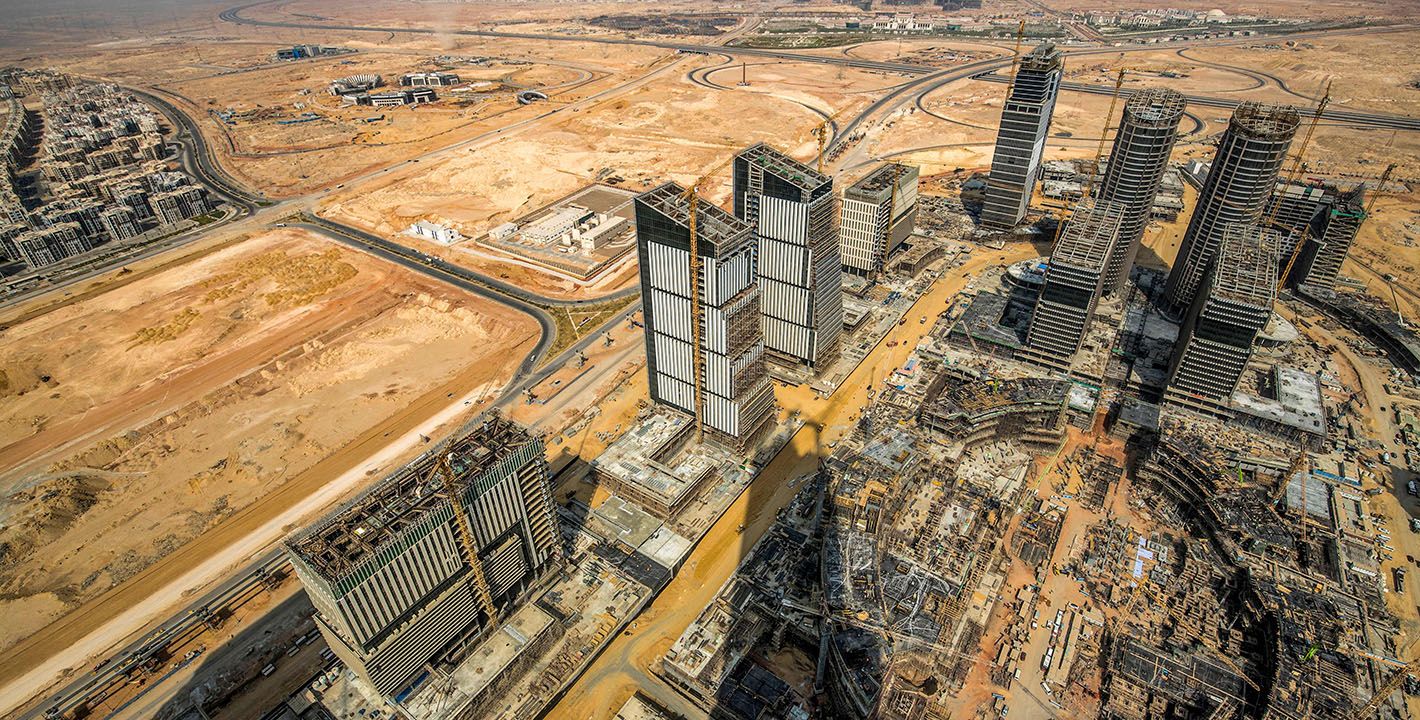
Mustaqbal Misr has expanded its portfolio with remarkable speed, but a lack of transparency remains.

Yezid Sayigh

Arab diaspora business communities in Egypt often mirror the same systemic challenges facing Egyptian businesses.

Nur Arafeh, Yezid Sayigh, Qaboul al-Absi, …

Largely characterized thus far by a single-minded focus on extractivism, Riyadh must commit to greater equitability in its approach to investment and development deals with Sudan, Ethiopia, and Eritrea.

Hesham Alghannam
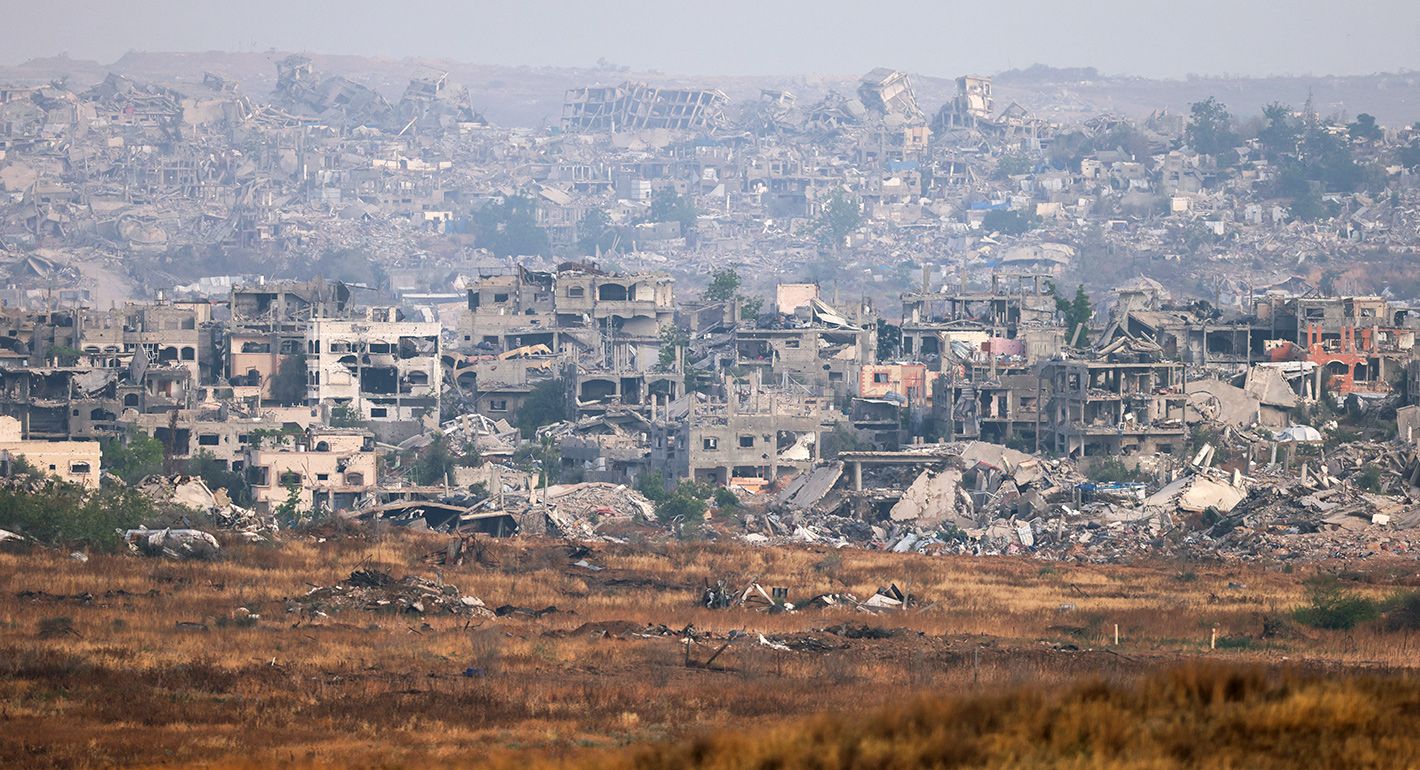
Once Israel’s war in the territory is brought to an end, the foundational principles guiding reconstruction should be Palestinian self-determination, local agency, and sovereignty.
Nur Arafeh, Mandy Turner