


Commentary
In an interview, Jim Lamson discusses the ongoing regional conflict and sees an unclear picture when it comes to winners and losers.
Michael Young
Source: Getty
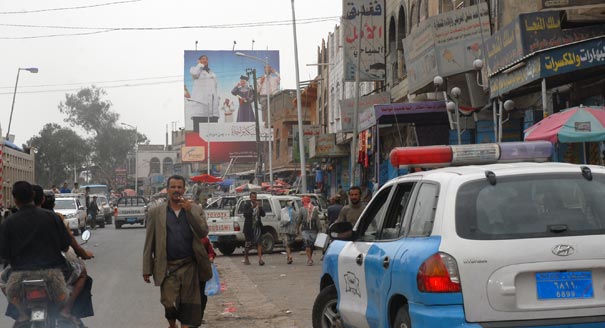
There are limits to how much foreign intervention can accomplish in Yemen. To overcome its daunting security, economic, and political challenges, Yemen’s political system needs to become less centralized and more inclusive.
Western policy makers are scrambling to respond decisively to Yemen’s instability after the failed Christmas Day attack on a U.S. passenger jet was tied to al-Qaeda in the Arabian Peninsula. But there are limits to how much foreign intervention can accomplish—Yemen’s political system needs to become less centralized and more inclusive.

“The establishment of a more stable political settlement is a domestic endeavor, and Westerners’ chances of encouraging a more inclusive political system are questionable,” writes Phillips. “In the long term, only a fundamental restructuring of the political system to become much more inclusive will lead to stability.”
Sarah Phillips
Carnegie does not take institutional positions on public policy issues; the views represented herein are those of the author(s) and do not necessarily reflect the views of Carnegie, its staff, or its trustees.

In an interview, Jim Lamson discusses the ongoing regional conflict and sees an unclear picture when it comes to winners and losers.

Michael Young
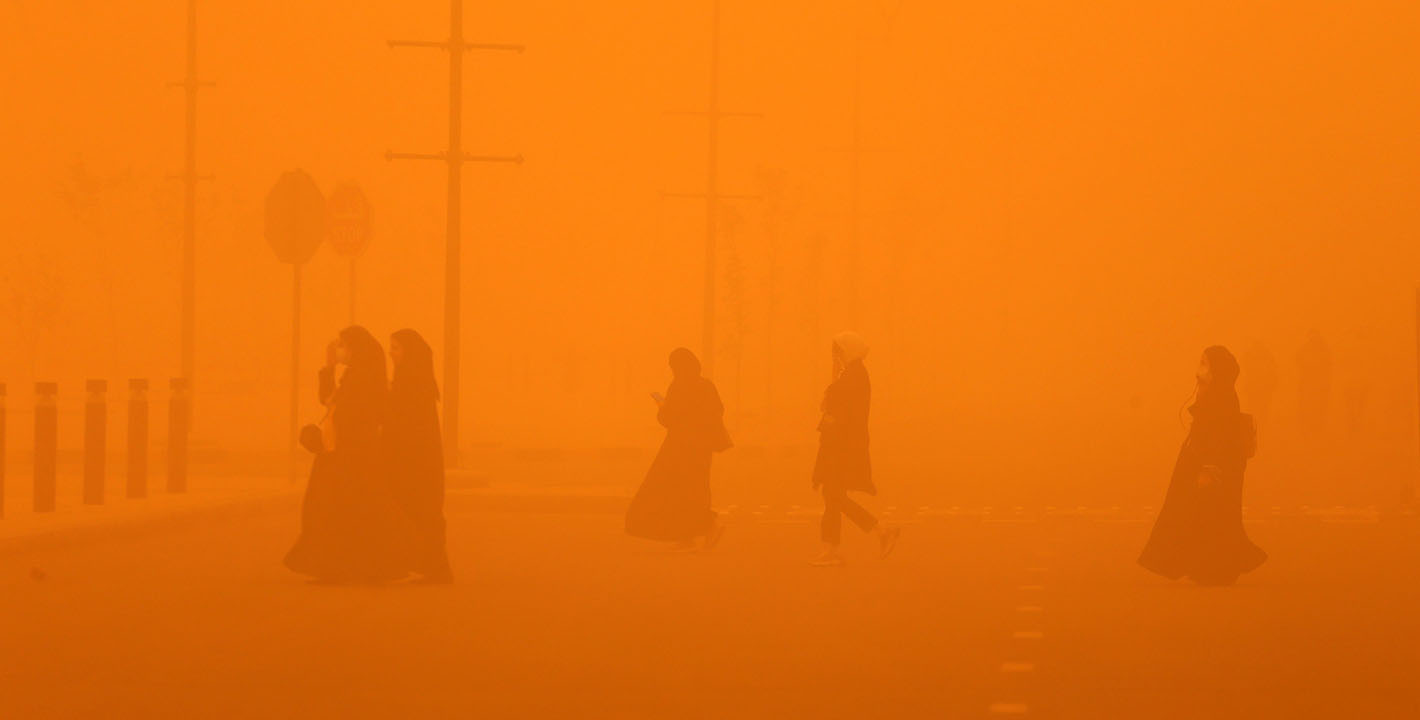
Mitigating the repercussions of climate change in Kuwait is crucial for lessening economic disparities and achieving social justice.
Courtney Freer
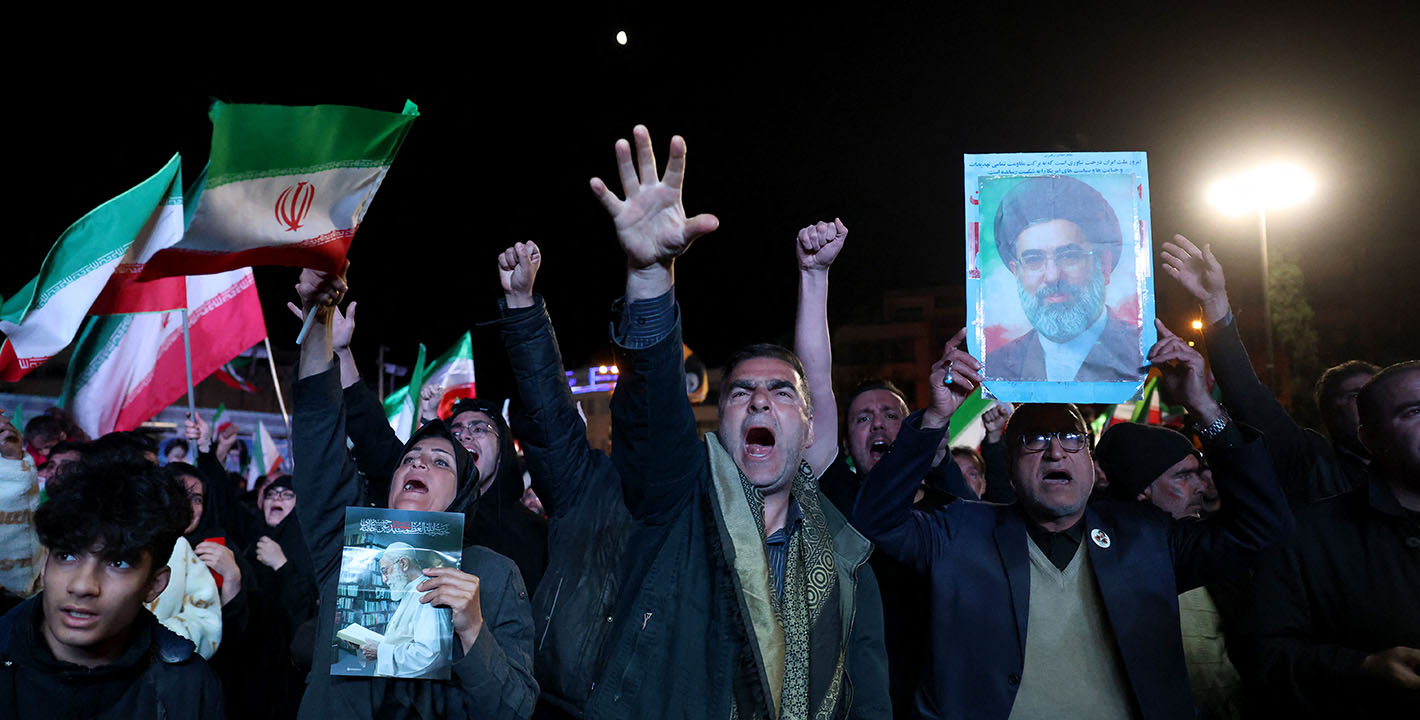
Spot analysis from Carnegie scholars on events relating to the Middle East and North Africa.
Michael Young
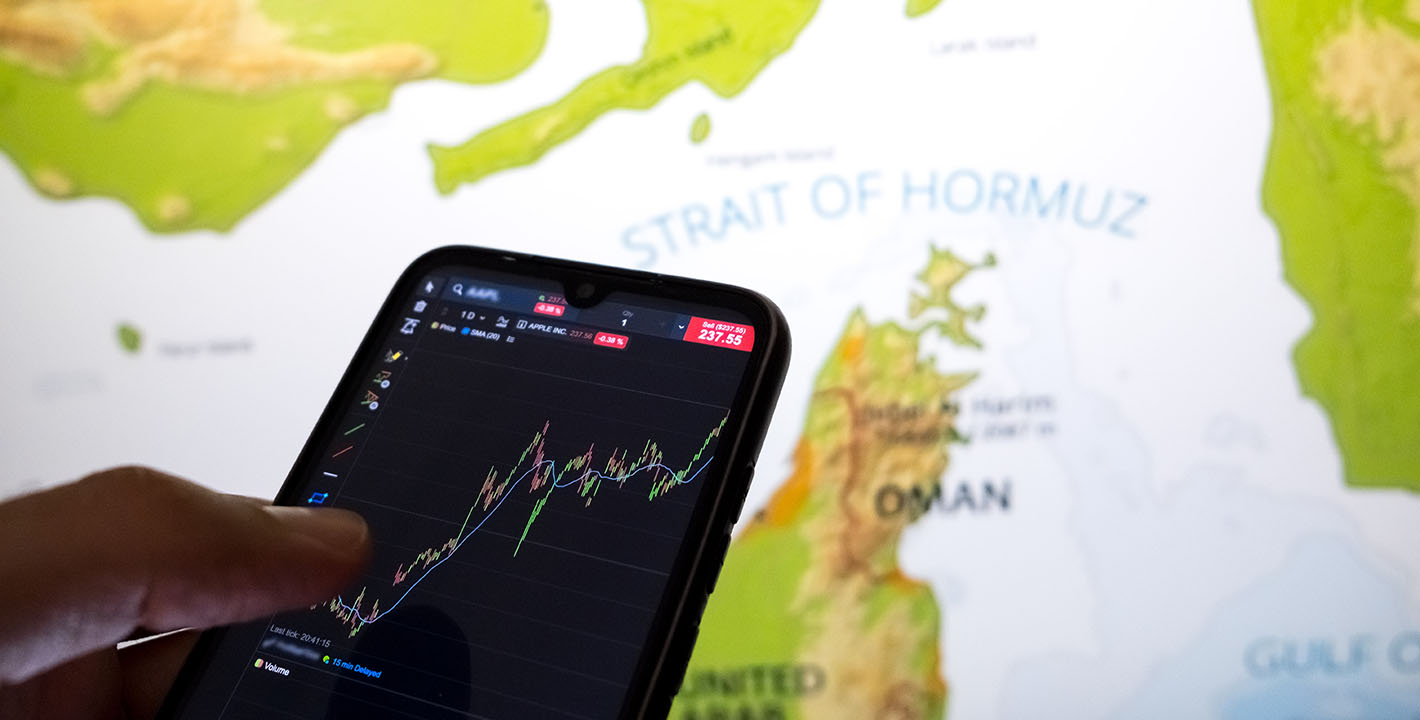
In an interview, Roger Diwan discusses where the global economy may be going in the third week of the U.S.-Israeli war with Iran.

Nur Arafeh
In an interview, Andrew Leber discusses the impact the U.S. and Israeli war against Iran is having on Arab Gulf states.
Michael Young