

Q&A
Raluca Csernatoni, Sinan Ülgen
Cybertechnologies are rapidly changing the international landscape, but weak international governance of cyberspace stands in stark contrast to the accelerating pace of challenges.
Cybertechnologies are rapidly changing the international landscape, but leaders in government, business, and elsewhere are just beginning to understand the ramifications, both good and bad, of an interconnected digital world. Weak international governance of cyberspace stands in stark contrast to the accelerating pace of challenges. To shape the regimes that govern cyberspace to the advantage of generations to come, the United States and the European Union should forge a joint policy vision.
Create a new multilateral instrument to prevent cybercrime. The transatlantic partners should develop more robust ways to detect and analyze cyberattacks so that culprits can be more easily identified and future attacks better deterred.
Propose amendments to international trade law to introduce penalties for economic cyberespionage. Changing World Trade Organization rules will require a joint action led by the transatlantic partners.
Lead efforts to codify norms governing the export of surveillance technologies. The transatlantic partners should guide this effort that would help to constrain the capacity of illiberal regimes to restrict Internet freedoms.
Agree on a mandate for NATO to develop a more robust approach to cyberdeterrence. The North Atlantic Treaty Organization has developed a strategy focused on enhancing the resilience of the alliance against cyberattacks. But NATO also needs a more offensive posture to improve its overall deterrence.

Senior Fellow, Carnegie Europe
Sinan Ülgen is a senior fellow at Carnegie Europe in Brussels, where his research focuses on Turkish foreign policy, transatlantic relations, international trade, economic security, and digital policy.
Recent Work

Raluca Csernatoni, Sinan Ülgen

Catherine Hoeffler, Sinan Ülgen
Carnegie does not take institutional positions on public policy issues; the views represented herein are those of the author(s) and do not necessarily reflect the views of Carnegie, its staff, or its trustees.
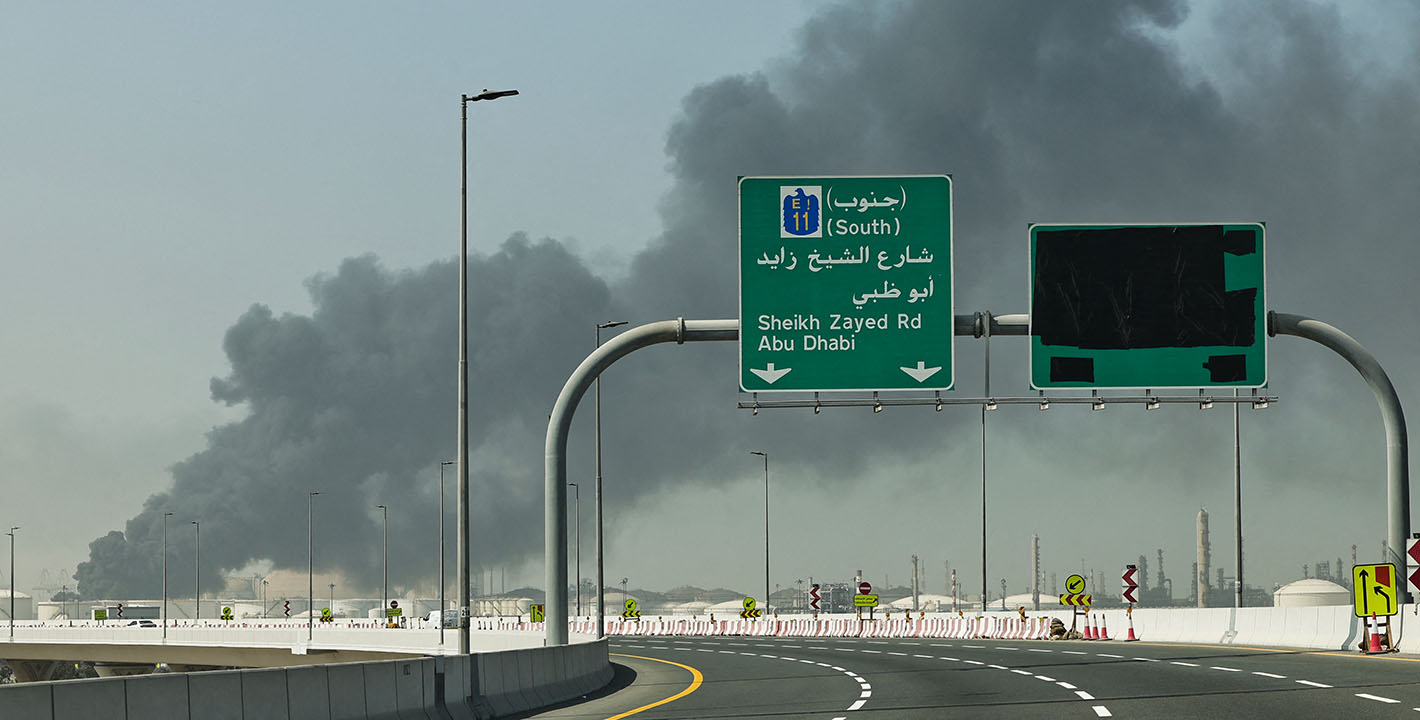
The countries in the region are managing the fallout from Iranian strikes in a paradoxical way.

Angie Omar

In an interview, Hassan Mneimneh discusses the ongoing conflict and the myriad miscalculations characterizing it.

Michael Young
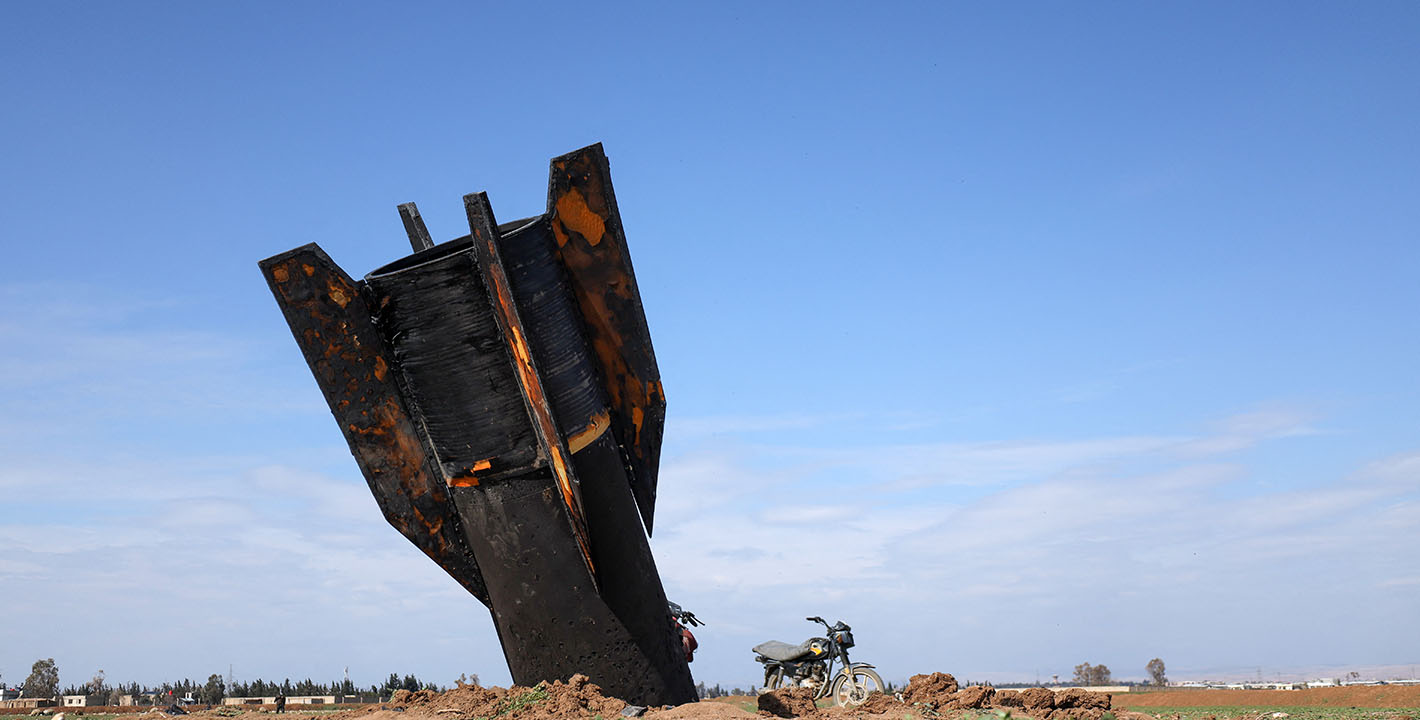
In an interview, Nicole Grajewski discusses the military dimension of the U.S. and Israeli attacks on Iran.
Michael Young

In an interview, Naysan Rafati assesses the first week that followed the U.S. and Israeli attack on Iran.
Michael Young
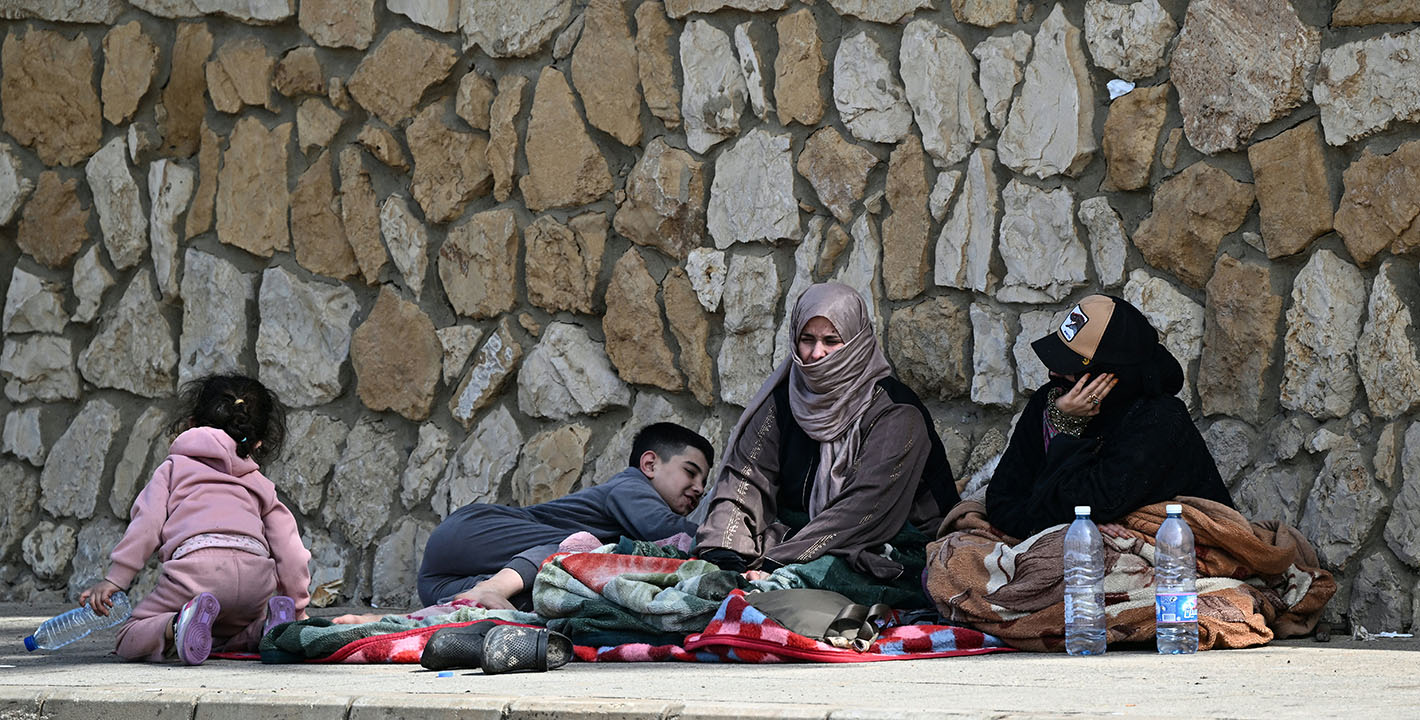
At heart, to impose unconditional surrender on Hezbollah and uproot the party among its coreligionists.

Yezid Sayigh