

Комментарий
Андрей Перцев
{
  "authors": [
    "Андрей Перцев"
  ],
  "type": "commentary",
  "blog": "Carnegie Politika",
  "centerAffiliationAll": "dc",
  "centers": [
    "Carnegie Endowment for International Peace",
    "Берлинский центр Карнеги"
  ],
  "collections": [],
  "englishNewsletterAll": "ctw",
  "nonEnglishNewsletterAll": "",
  "primaryCenter": "Берлинский центр Карнеги",
  "programAffiliation": "russia",
  "programs": [
    "Russia and Eurasia"
  ],
  "projects": [],
  "regions": [
    "Россия",
    "Россия и Кавказ"
  ],
  "topics": [
    "Политические реформы",
    "Экономика",
    "Внутренняя политика России"
  ]
}
Источник: Getty
Нет никаких электоральных причин для организации дорогостоящих мероприятий и проектов. Однако политический блок президентской администрации выстраивает кампанию согласно всем политтехнологическим канонам конкурентных выборов
Начинающаяся избирательная кампания Владимира Путина станет куда более затратной и насыщенной мероприятиями, чем несколько предыдущих. Лидера нации будут переизбирать на фоне беспрецедентной по масштабам выставки достижений путинской эпохи на ВДНХ, многомесячного всероссийского патриотически-развлекательного конкурса «Это у нас семейное», а также Всемирного фестиваля молодежи.
За подготовку всего этого отвечает политблок президентской администрации и лично его глава Сергей Кириенко. Он не только создает для президента симулятор настоящей избирательной кампании, но и впервые возводит материальные декорации процветающей страны. Идет строительство герметичного мира, подогнанного под путинские представления об идеальном устройстве государства. Попутно эти мероприятия должны добавить легитимности рекордным официальным результатам голосования, призванного стать триумфом Путина.
4 ноября, в День народного единства, на ВДНХ откроется форум-выставка под громким и лаконичным названием «Россия». Это масштабное мероприятие продлится до апреля, и в Кремле не особо скрывают, что оно станет одним из ключевых элементов кампании по переизбранию Путина. Хотя, конечно, из путинского избирательного фонда на этот проект не потратят ни копейки.
Оргкомитет «России» возглавляет куратор кремлевского политблока Сергей Кириенко. А директором выставки стала Наталья Виртуозова — в прошлом вице-губернатор Подмосковья по политическим вопросам и экс-сотрудница аппарата «Единой России».
Свои стенды для путинского ВДНХ подготовили не только все российские регионы, но и госкорпорации, а также лояльные власти крупные компании. Акцент сделан на современных технологиях. Причем организаторы стремятся продемонстрировать не столько собственно достижения (часто весьма сомнительные), сколько оформить все так, как сферу IT и высоких технологий представляют пожилые обыватели. Региональные стенды утопают в назойливом и гротескном хайтеке, конструкциях в виде причудливых средств передвижения, которые никогда и никуда не поедут, кругом торчат интерактивные экраны и прочие элементы дополненной реальности.

Губернаторы, звезды эстрады, ведущие федеральных новостей — все сейчас активно завлекают москвичей и гостей столицы на выставку. Цель ясна: к выборам надо убедить россиян, что Путин превратил РФ в развитую, высокотехнологичную страну, люди стали жить лучше, а инфраструктура теперь близка к идеальной. С другой стороны, у возрастной аудитории масштабное мероприятие должно вызывать ассоциации с «той самой» советской ВДНХ.
В предыдущих избирательных кампаниях Путина, коих уже было немало, ни разу не использовались столь затратные инфраструктурные проекты — по сути, сейчас речь идет о строительстве виртуальной страны. Бюджеты «России» не опубликованы, но понятно, что подготовка огромного павильона со стендами и обеспечение работы выставки в течение четырех месяцев с ежедневными тематическими днями и праздниками обойдется в несколько миллиардов рублей. Политблоку президентской администрации этих денег, впрочем, не жалко — даже несмотря на то, что социальные расходы федерального бюджета уже начали идти под нож.
На новый, невиданный ранее уровень выходит еще один способ вовлечь избирателей в голосование — конкурсы и лотереи. Раньше его тестировали как скромное дополнение к кампаниям в отдельных регионах, заманивая избирателей на участки розыгрышами призов. Теперь же этот метод обретет по-настоящему федеральный масштаб.
Многомесячный общенациональный конкурс будет называться «Это у нас семейное». По формату это будет нечто похожее на телешоу для всей семьи. Патриотическо-традиционалистские задания в конкурсе (вроде составления летописи семьи) будут чередоваться с развлекательными — например, приготовлением блюд по рецептам звезд. По официальным данным, участвовать в конкурсе уже записалось несколько сотен тысяч человек.
Организаторы обещают внушительные призы: 30 жилищных сертификатов на 5 млн рублей каждый, 300 поездок по России и массу более мелких наград. Как и в случае с выставкой «Россия», к пиару «Это у нас семейное» привлечены звезды эстрады. В частности, Дмитрий Маликов и Сергей Жуков, которые состоят в наблюдательном совете конкурса. Информацию также активно распространяют (в том числе на своих страницах в соцсетях) школы и другие госучреждения.
В работе оргкомитета активно участвует все тот же Кириенко. А оператором розыгрыша стала платформа «Россия — страна возможностей», где проходят кадровые конкурсы и молодежные форумы Кремля. И это не случайно, учитывая политтехнологические цели конкурса — поддержать уровень «социального оптимизма», показать, что война и санкции России нипочем, а также продемонстрировать готовность власти материально поддерживать граждан, напомнив заодно о традиционных ценностях.
Такое мероприятие действительно может повысить лояльность части избирателей — участников конкурса, их знакомых и родственников. А кому-то может дать надежду на победу в будущем.
Время проведения «Это у нас семейное» опять-таки накладывается на президентскую кампанию: конкурс начнется 4 ноября (в день открытия выставки на ВДНХ) и продлится до середины апреля.
В том же ключе надо рассматривать и еще одно масштабное мероприятие — Всемирный фестиваль молодежи, который пройдет в начале марта в образовательном комплексе «Сириус» под Сочи. На сайте мероприятия утверждается, что это будет «самое масштабное молодежное событие в мире». И в этом случае оргкомитетом фестиваля тоже руководит Кириенко.
Список проектов политблока Кремля этим не ограничивается. Например, подчиненные Кириенко курируют также культурную программу: этой зимой в регионы России отправятся с гастролями лояльные власти артисты и государственные театры.
Подобных фоновых мероприятий в ходе предыдущих кампаний Путина — в 2012 и 2018 годах — не было. Во время прошлых выборов президент и политблок Кремля пытались использовать тему волонтеров, но по-настоящему заметной она так и не стала. Движение звезд эстрады и спорта Putin team тоже толком не раскрутилось и крупных мероприятий не проводило. Всемирный фестиваль молодежи и студентов прошел в середине осени 2017 года, но не был особо заметным и совсем забылся к выборам в марте 2018-го.
В итоге самым запоминающимся моментом предыдущей путинской кампании стали мультфильмы с летящими в сторону США ракетами. Эти анимационные ролики Путин показал во время своего послания Федеральному собранию — выступления, которое заменило предвыборную программу (утруждать себя ее составлением президент и его команда тогда не стали).
До этого, в 2012 году, Кремль делал ставку на Общероссийский народный фронт и проект с «доверенными лицами», который раскручивался, в основном, по ТВ. Ни о каких многомиллиардных выставках достижений тогда речи не шло.
И шесть, и 12 лет назад Путин пользовался проверенным на разных уровнях власти рецептом: «Я занят работой, она — лучшая агитация, а остальное и не нужно». Сложно сказать, насколько успешной на самом деле была эта тактика. Ведь ключевую роль в российских выборах играют совсем другие факторы — отсутствие реальной конкуренции, мобилизация зависимого от власти электората, «корректирование» итогов голосования и так далее. Именно эти приемы и гарантировали успех кандидатов власти и Владимира Путина как их главного представителя.
Казалось бы, сейчас ничего не изменилось. Социологи не сулят Путину проблем в день выборов. Методы корпоративной и административной мобилизации только совершенствуются, особенно с внедрением электронного голосования. О реальной конкуренции, где могли бы пригодиться козыри в виде выставки достижений, по-прежнему речи не идет.
Так что нет никаких электоральных причин организовывать дорогостоящие мероприятия и проекты. Однако политический блок президентской администрации выстраивает кампанию согласно всем политтехнологическим канонам конкурентных выборов. Парадоксальным образом, Кремль сознательно политизирует общество, привлекая его внимание к избирательной гонке.
Россияне эту активность воспринимают как предвыборные попытки властей заслужить их расположение. Однако де-факто политические администраторы стараются не для российского общества, а лишь для одного человека.
Политблок Сергея Кириенко давно превратил российскую системную политику в набор ивентов, а сам стал ивент-агентством для Владимира Путина. Долгое время эти мероприятия были недостаточно фундаментальными: волонтеров, активистов и карьеристов, участвующих в конкурсах, собирали перед президентом по случаю и на обычных площадках.
Команда Кириенко создала виртуальные общности, подменив ими реальное население России, но декорации для этих общностей были воображаемыми. В каком-то смысле конкурсы и форумы напоминали организационно-деятельностные игры (ОДИ) методологов, последователем которых был и Кириенко. В ходе ОДИ участники пытаются погрузиться в гипотетическую ситуацию, а результатом игры становилась схема с решением проблемы.
Размашистые многомесячные мероприятия, подготовленные к кампании-2024, — это новый уровень. Для них созданы фундаментальные декорации. То есть появляется материальная основа, к тому же дополненная виртуальной реальностью. Выставка «Россия» — это симулятор страны, современной, технологически развитой и патриотически настроенной. А весь набор приуроченных к выборам фестивалей и конкурсов — симулятор реальной предвыборной кампании.
Кириенко и его подчиненные хорошо знают, что псевдохайтек нравится Путину. Глава Сбербанка Герман Греф часто демонстрирует президенту странные устройства, полезность которых вызывает сомнения, но их внешний вид соответствует тому, как среднестатистический пожилой россиянин представляет себе высокотехнологичное будущее. Декорации стендов форума на ВДНХ выдержаны в том же духе. Путин может прийти на выставку и пожить в прекрасной России будущего. Кроме того, у президента возникнет ощущение реальной предвыборной кампании.
Материальным обоснованием для трат на многочисленные мероприятия станет не только желание угодить единственному заказчику, но и дополнительная легитимация сверхвысоких показателей поддержки Путина: люди посмотрели на достижения, получили призы в конкурсах, вот и проголосовали. В краткосрочной перспективе этот сценарий легитимации, скорее всего, и правда сработает.
Другое дело, что будет после выборов. В 2018 году власти обманули ожидания граждан: объявили пенсионную реформу, хотя до выборов Путин всячески отрицал такую возможность. Сейчас Кремль притупляет внимание россиян разными мероприятиями, отвлекая их от экономических проблем и слухов о возможной мобилизации. Если после выборов мобилизация все же будет объявлена, а дела в экономике пойдут еще хуже, эффект от внушенного в ходе кампании социального оптимизма быстро сойдет на нет. Зато начнутся разговоры о том, что власти уже в который раз возвели потемкинские деревни. В этот раз — при помощи нейросетей.

Журналист
Недавние работы
Андрей Перцев
Андрей Перцев
Карнеги не занимает институциональных позиций по вопросам государственной политики; изложенные здесь взгляды принадлежат автору(ам) и не обязательно отражают взгляды Карнеги, его сотрудников или попечителей.
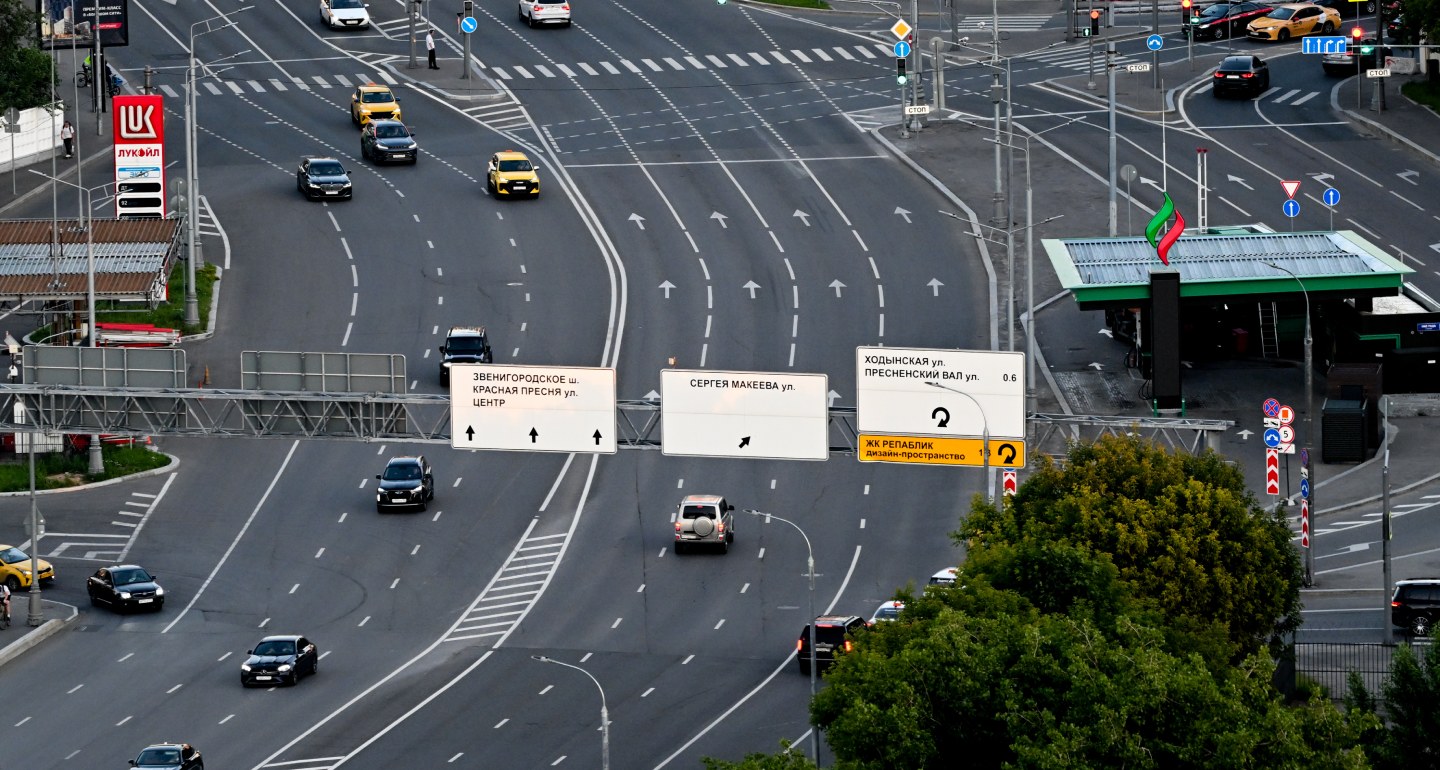
При значительном дефиците предложения бензина единственный механизм, приводящий рынок в равновесие, — это разрушение спроса и уменьшение автомобильного трафика. То есть масштабы снижения российской нефтепереработки можно оценить на основе того, насколько меньше россияне стали ездить на автомобилях.

Сергей Вакуленко

Путин пригодился бы партии власти как ее покровитель, который находится где-то далеко от выборов и не привлекает к агитации излишнего внимания. Но как активный фронтмен, навязывающий обществу свои взгляды, он оказался вреден и для «Единой России», и для правящей системы в целом.
Андрей Перцев

Основной риск не в том, что оставшийся без привычного представительства русскоязычный избиратель автоматически становится пророссийским. Важно, что политический вакуум повышает привлекательность тех, кто предлагает альтернативные способы быть услышанными: российских пропагандистских СМИ, псевдоправозащитных организаций, спецслужб.

Сергей Потапкин

Эмигрантские раздоры и нападки на Горького встречались в высших московских кабинетах улыбками одобрения: все было на правильном пути, Буревестник в меру запачкан, окольцован и отлучен от враждебной кормушки.
Иван Толстой
В ретроспективе 1989 год оказывается не совсем тем поворотным пунктом, каким мы его считали.
Сергей Радченко