

Комментарий
Димитар Бечев
{
  "authors": [
    "Димитар Бечев"
  ],
  "type": "commentary",
  "blog": "Carnegie Politika",
  "centerAffiliationAll": "",
  "centers": [
    "Carnegie Endowment for International Peace",
    "Берлинский центр Карнеги"
  ],
  "englishNewsletterAll": "",
  "nonEnglishNewsletterAll": "",
  "primaryCenter": "Берлинский центр Карнеги",
  "programAffiliation": "",
  "programs": [],
  "projects": [],
  "regions": [
    "Китай",
    "Восточная Европа"
  ],
  "topics": [
    "Внешняя политика США",
    "Европейский союз"
  ]
}
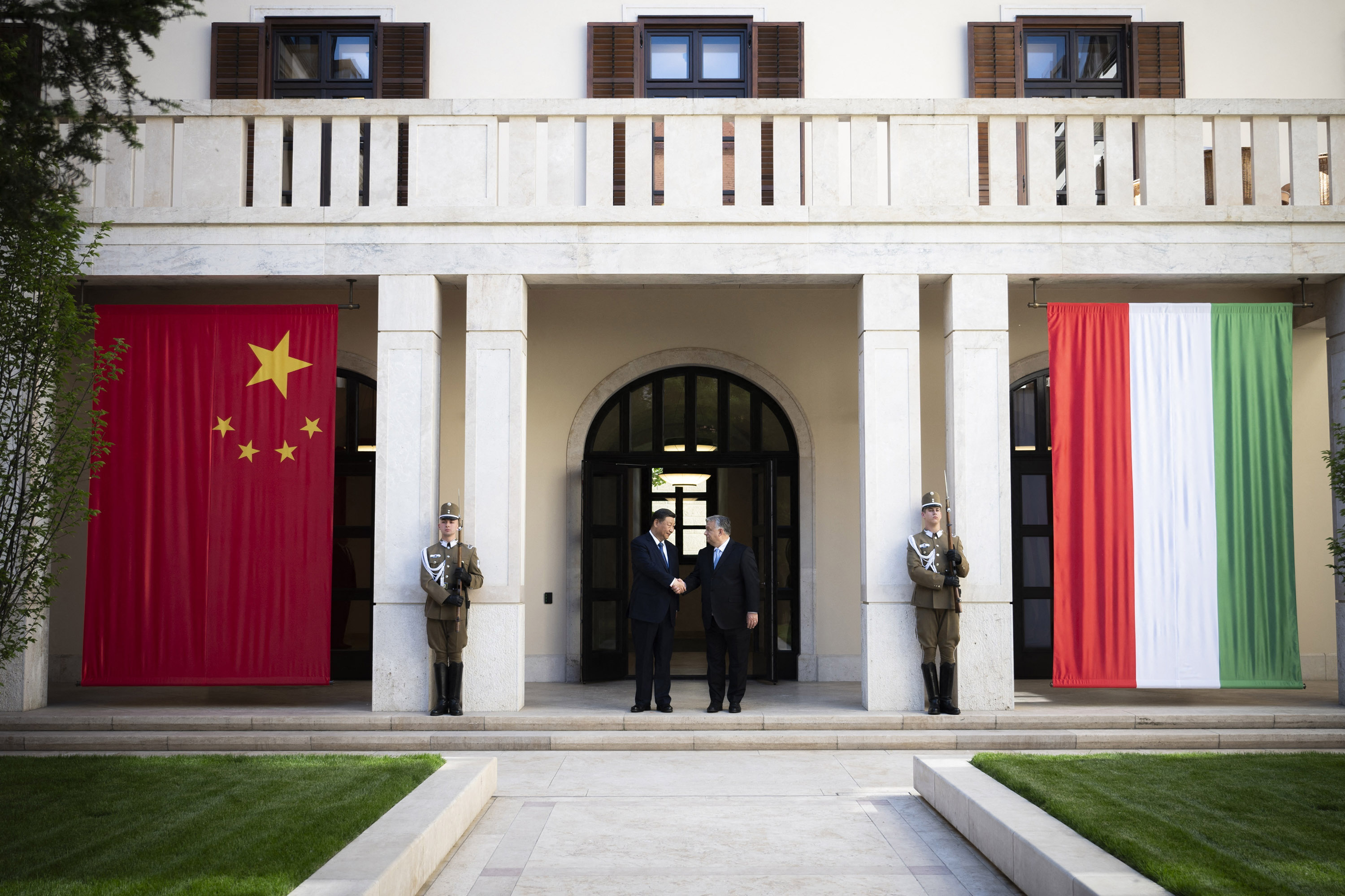
Источник: Getty
Китай все быстрее выдавливает Москву из Центральной и Восточной Европы. Путин за два года стал токсичным, а китайское руководство — нет. Так что Вучич и Орбан предпочитают появляться в компании Си, а не Путина
Европейское турне китайского лидера Си Цзиньпина можно считать удавшимся. Правда, состоявшиеся в Париже переговоры с президентом Франции Эмманюэлем Макроном и главой Еврокомиссии Урсулой фон дер Ляйен не очень задались из-за того, что каждая из сторон упорно держалась своего по всем ключевым вопросам, будь то двойственная позиция Китая по войне в Украине или продолжающиеся споры вокруг условий импорта китайских электромобилей в Европу.
Зато потом в Сербии и Венгрии — двух самых дружественных Пекину европейских странах — Си встречали как героя. Во Дворце Сербии и венгерском замке Буда его приветствовали восторженные толпы. Белградская газета Politika и будапештская Magyar Nemzet в унисон рассуждали об «общем будущем» с Китаем. В Сербии был подписан ряд соглашений о сотрудничестве, а в Венгрии среди прочего обсуждали детали проекта строительства в стране автомобильного завода Great Wall.
Конечно, между Венгрией и Сербией нельзя ставить знак равенства. Первая входит в ЕС, ей доступны щедрые субсидии Брюсселя и европейский рынок. Благодаря этому Венгрия превратилась в производственный центр, чьими услугами охотно пользуются немецкие автопроизводители вроде Audi, Opel и Mercedes. Сербия тоже получает выгоду от европейских инвестиций, свободной торговли и своего географического положения вблизи основных стран ЕС. Однако в ЕС она не входит и остается лишь кандидатом на вступление, а потому не располагает тем политическим влиянием и экономическим весом, который есть у венгров. Неслучайно такие китайские компании, как BYD — соперник Tesla — и производитель аккумуляторов CATL, открыли производство именно в Венгрии.
Тем не менее у двух стран есть немало общего. Например, запутанные отношения с Брюсселем. Венгерский премьер Виктор Орбан, известный своим национал-популизмом, авторитарными замашками и тесными отношениями с Россией, остается в ЕС во все большей изоляции. В 2022 году Брюссель даже заморозил большую часть субсидий для Венгрии. Похожим образом президента Сербии Александра Вучича критиковали за фальсификации на местных выборах в декабре прошлого года и за вспышку насилия на севере Косово, которая во многом свела на нет проходившие при посредничестве ЕС переговоры о нормализации отношений между Приштиной и Белградом.
По сути, и Орбан, и Вучич делают ставку на формирующийся многополярный мир и держатся за отношения с Россией, чтобы улучшить свои переговорные позиции с ЕС и Западом в целом. В случае с Венгрией такая тактика сработала в марте этого года: Орбан добился разморозки 10 млрд евро из фондов сплочения ЕС в обмен на снятие венгерского вето на выделение финансовой помощи Украине. Хотя недавно на встрече в Chatham House венгерский министр иностранных дел Петер Сийярто — один из немногих европейских чиновников, до сих пор посещающих Москву, — заверил, что Венгрия наложит вето на вступление Украины в ЕС, если Киев не выполнит определенные требования Будапешта.
Вучич тоже умело балансирует между Москвой и Западом. Несмотря на свидетельства того, что Сербия поставляет оружие в Украину через третьи государства, страна остается открытой для российского бизнеса, а русскую речь в центре Белграда сегодня можно услышать на каждом углу.
Руководство Сербии и Венгрии пытается брать от ЕС только то, что нужно им, и отбрасывать все остальное, оправдываясь защитой суверенитета и борьбой с заговорами Сороса. Точно так же они пользуются теми аспектами российской внешней политики, которые кажутся им выгодными. Например, Венгрия сотрудничает с Москвой в энергетике, но не торопится накладывать вето на европейские санкции против России. А Сербия опирается на Москву в косовском вопросе, но при этом голосует против РФ на Генассамблее ООН и отказывается признавать аннексию украинских территорий.
Турне Си напомнило о том, что в этих отношениях есть и третья сторона — Китай. В последнее десятилетие восточноевропейские сторонники идеи о том, что регион должен идти «своим путем», окончательно убедились в том, что Россия предпочитает платить не твердой валютой, а братской любовью, тогда как Китай пусть уже и не так активно продвигает свою инициативу «Пояс и Путь», но все равно может предложить значительные финансовые ресурсы.
Во время визита Си провластные СМИ в Белграде и Будапеште воодушевленно подсчитывали, сколько миллиардов долларов пришли из Китая в виде прямых инвестиций. Это вообще стало одним из главных пропагандистских нарративов режимов Вучича и Орбана — что перестройка внешней политики под реалии нового, постзападного мира создает новые рабочие места и повышает благосостояние людей. Такая риторика добавляет им легитимности и хорошо смотрится в газетных заголовках.
В результате Китай заполняет пустоту, которую оставили Россия и — по крайней мере, на уровне восприятия — Запад. Не стоит забывать и о дипломатии Пекина времен пандемии COVID-19, которую Вучич использовал, чтобы заработать очки еще и в глазах соседей Сербии.
На фоне полномасштабного российского вторжения в Украину Пекин все быстрее выдавливает Москву из Центральной и Восточной Европы. Владимир Путин за два года превратился в крайне токсичного лидера, а китайское руководство — нет. Так что Вучич и Орбан предпочитают появляться в компании Си, а не Путина.
В прошлом октябре Вучич старательно уходил от прямого ответа на вопросы журналистов о том, будет ли у него личная встреча с Путиным на юбилейном саммите «Пояса и пути» в Китае. Тогда это оказалось уже слишком для сербского лидера, но он по-прежнему готов созваниваться с Кремлем или сажать пророссийских политиков в министерские кресла. А вот лишний раз раздражать Запад, например, личным присутствием на Красной площади 9 мая — тоже уже нет. Тем более что Москва все равно не предложит ничего взамен.
С Китаем все совсем иначе. Возможно, он и превращается в стратегического противника ЕС, но это не предполагает разрыва экономических отношений. Цена углубления связей с Пекином не будет непомерно высокой, пока Евросоюз сам продолжает торговать с Китаем и вкладывать деньги в его экономику. Выгода здесь вполне очевидна. Си Цзиньпин готов придерживаться принципа «разделяй и властвуй», чтобы помешать Европе, ключевому для Китая рынку, действовать согласованно. В Венгрии и Сербии он стучится в открытые двери. Праздник взаимной любви продолжается.
Если вы хотите поделиться материалом с пользователем, находящимся на территории России, используйте эту ссылку — она откроется без VPN.

Senior Fellow, Carnegie Europe
Старший научный сотрудник, Carnegie Europe
Недавние работы
Димитар Бечев
Димитар Бечев
Карнеги не занимает институциональных позиций по вопросам государственной политики; изложенные здесь взгляды принадлежат автору(ам) и не обязательно отражают взгляды Карнеги, его сотрудников или попечителей.
При всей помпезности встречи двух лидеров, на прошедшем саммите США и Китай не продвинулись в решении ни одного из вопросов, а только застыли друг перед другом, широко улыбаясь и подавая перемирие как прорыв.

Темур Умаров

Европейские крайне правые, возможно, не смогут развернуть политику ЕС в нужное России русло. Но они способны создать внутри Европы достаточно конфликтов, чтобы эффективно нейтрализовать любые ее геополитические амбиции. С точки зрения Кремля, это совсем неплохой результат.
Димитар Бечев

Севморпуть оживает ровно в той мере, в какой воюет остальной мир. Сейчас его подогревают сразу три конфликта, но с уменьшением их интенсивности ситуация, скорее всего, вернется туда, где была 10 лет назад.

Михаил Коростиков

После 30 лет критики американской гегемонии Лукашенко теперь сам страдает от ее ослабления: добиться желаемого ему мешает в том числе снижение влияния Вашингтона в Европе.

Артем Шрайбман

Основной риск не в том, что оставшийся без привычного представительства русскоязычный избиратель автоматически становится пророссийским. Важно, что политический вакуум повышает привлекательность тех, кто предлагает альтернативные способы быть услышанными: российских пропагандистских СМИ, псевдоправозащитных организаций, спецслужб.

Сергей Потапкин