

{
  "authors": [
    "Douglas H. Paal",
    "Kin Moy"
  ],
  "type": "event",
  "centerAffiliationAll": "dc",
  "centers": [
    "Carnegie Endowment for International Peace"
  ],
  "collections": [],
  "englishNewsletterAll": "asia",
  "nonEnglishNewsletterAll": "",
  "primaryCenter": "Carnegie Endowment for International Peace",
  "programAffiliation": "AP",
  "programs": [
    "Asia"
  ],
  "projects": [],
  "regions": [
    "North America",
    "United States",
    "East Asia",
    "China",
    "Taiwan"
  ],
  "topics": [
    "Security",
    "Military",
    "Foreign Policy"
  ]
}
Cross-Strait Developments in 2013: New Trends and Prospects
Thu, October 3rd, 2013
Washington, DC
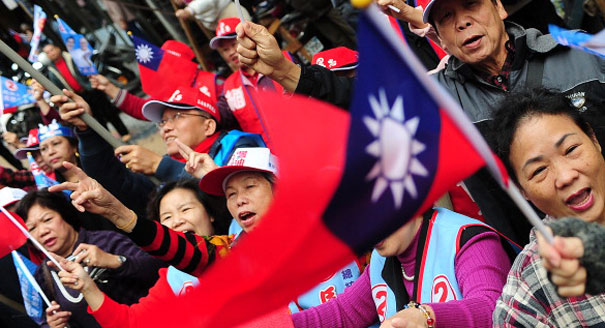
Following the 2012 elections in Taiwan and the United States and a leadership change in China, relations across the Taiwan Strait have generally remained stable. Economic and cultural exchanges continue to increase between Taiwan and the mainland, and China has agreed to a small increase in Taiwan’s international presence through guest attendance at the International Civil Aviation Organization assembly.
While the United States and China are in the midst of engaging and hedging in a rapidly changing region, Taiwan remains a potentially contentious, though delicately managed, issue. Domestically, Taiwan’s democracy continues its turbulent path under unique circumstances.
The Carnegie Endowment for International Peace, in conjunction with Republic of China Mainland Affairs Council and National Chengchi University, hosted a two-day conference featuring panels of leading Taiwanese, American, and Chinese thinkers taking stock of U.S.-Taiwan-China relations and the challenges in the months ahead.
Carnegie does not take institutional positions on public policy issues; the views represented herein are those of the author(s) and do not necessarily reflect the views of Carnegie, its staff, or its trustees.
Event Speakers
Distinguished Fellow, Asia Program
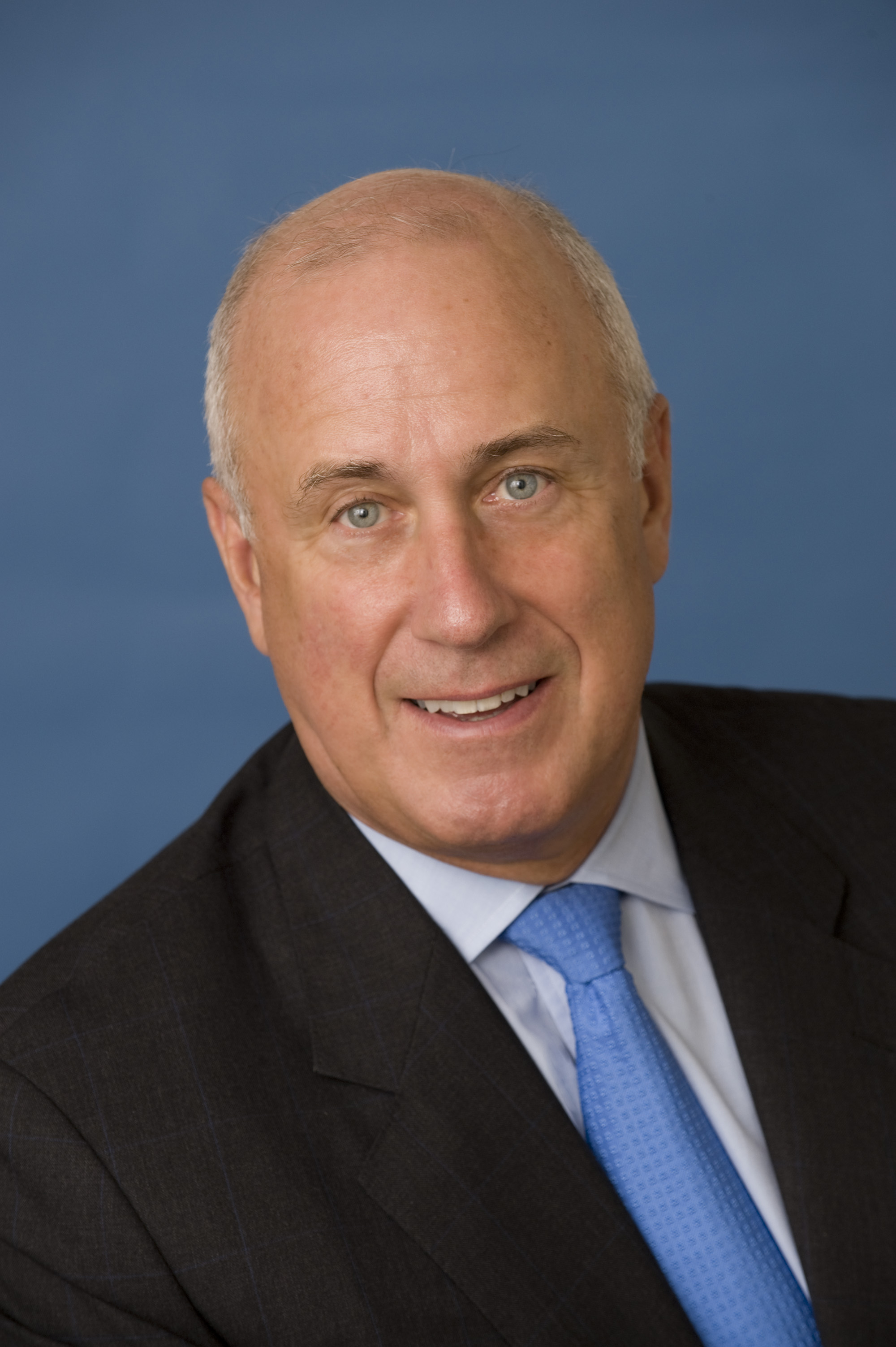
Paal previously served as vice chairman of JPMorgan Chase International and as unofficial U.S. representative to Taiwan as director of the American Institute in Taiwan.
Kin Moy