

{
  "authors": [
    "Cornelius Adebahr",
    "Rouzbeh Parsi",
    "Jan Techau"
  ],
  "type": "event",
  "centerAffiliationAll": "",
  "centers": [
    "Carnegie Endowment for International Peace",
    "Carnegie Europe"
  ],
  "collections": [
    "Europe’s Southern Neighborhood"
  ],
  "englishNewsletterAll": "",
  "nonEnglishNewsletterAll": "",
  "primaryCenter": "Carnegie Europe",
  "programAffiliation": "",
  "programs": [],
  "projects": [],
  "regions": [
    "Middle East"
  ],
  "topics": []
}
Tehran Calling: A New Direction for Iran?
Mon, March 10th, 2014
Brussels
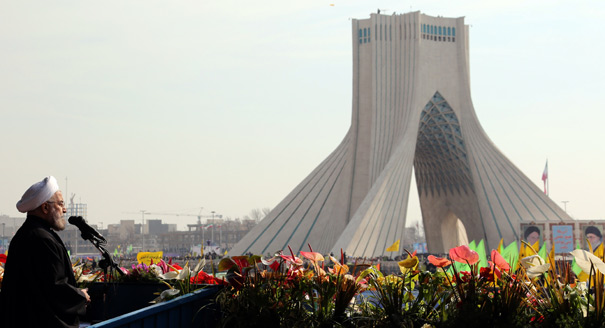
After years of tension, sanctions, and deadlocked negotiations, Hassan Rouhani, Iran’s relatively moderate new president, has provided an opening for improved relations between the Islamic Republic and the West.
With an interim deal on its nuclear program now in effect, Iran has taken a possible step toward resolving the nuclear dispute and improving relations more broadly, but much of the domestic political dynamic remains poorly understood by the West. The P5+1 must carefully calibrate its response to determine whether Rouhani’s changed rhetoric signals the beginning of a new direction for Iran.
Carnegie Europe hosted an event to launch Cornelius Adebahr’s latest paper, “Tehran Calling: Understanding a New Iranian Leadership.” Adebahr was joined by Rouzbeh Parsi, senior lecturer at Lund University. Carnegie’s Jan Techau moderated.
Carnegie does not take institutional positions on public policy issues; the views represented herein are those of the author(s) and do not necessarily reflect the views of Carnegie, its staff, or its trustees.
Event Speakers
Cornelius Adebahr
Former Nonresident Fellow, Carnegie Europe
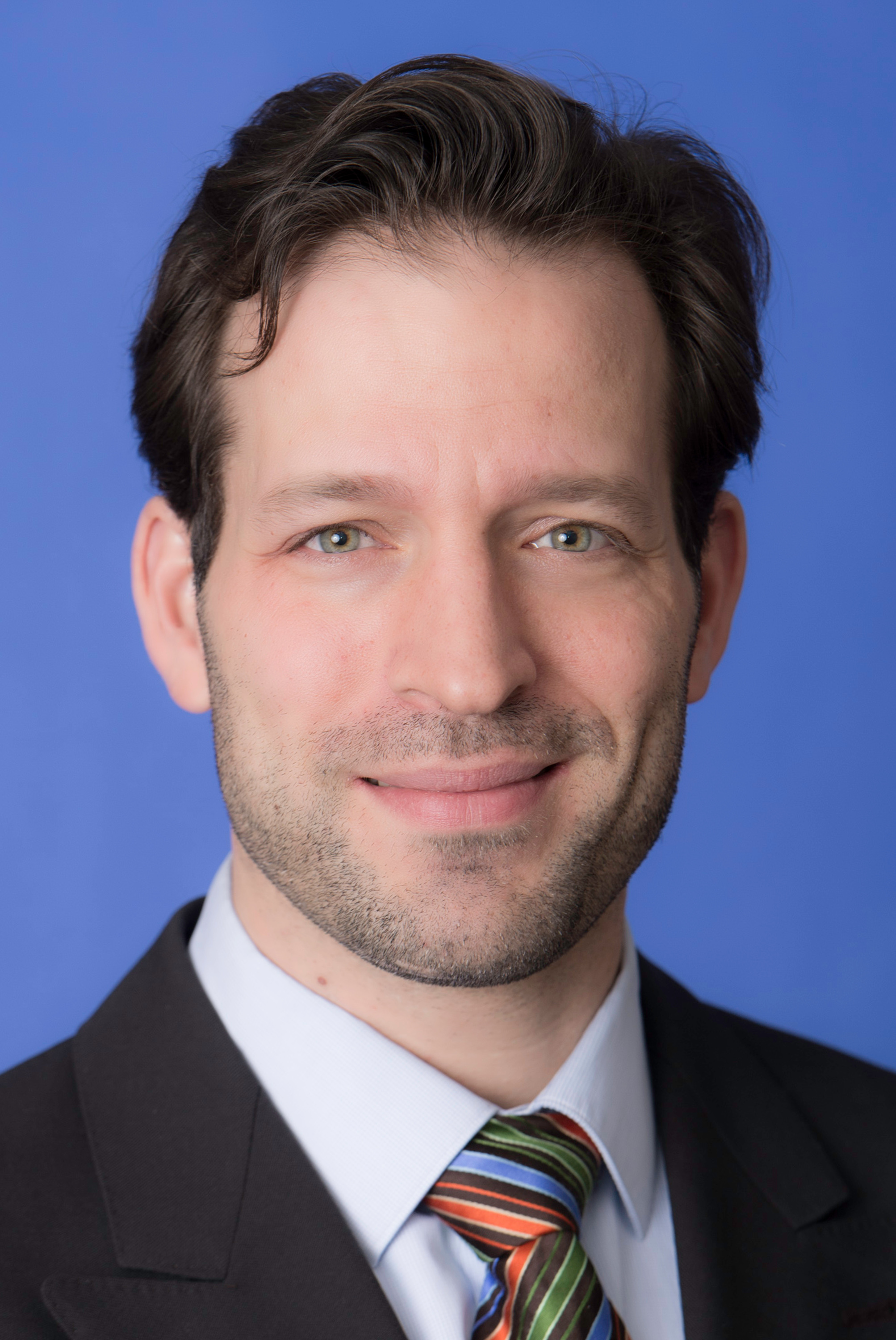
Cornelius Adebahr was a nonresident fellow at Carnegie Europe. His research focuses on foreign and security policy, in particular regarding Iran and the Persian Gulf, on European and transatlantic affairs, and on citizens’ engagement.
Rouzbeh Parsi
Jan Techau
Director, Europe Team, Eurasia Group
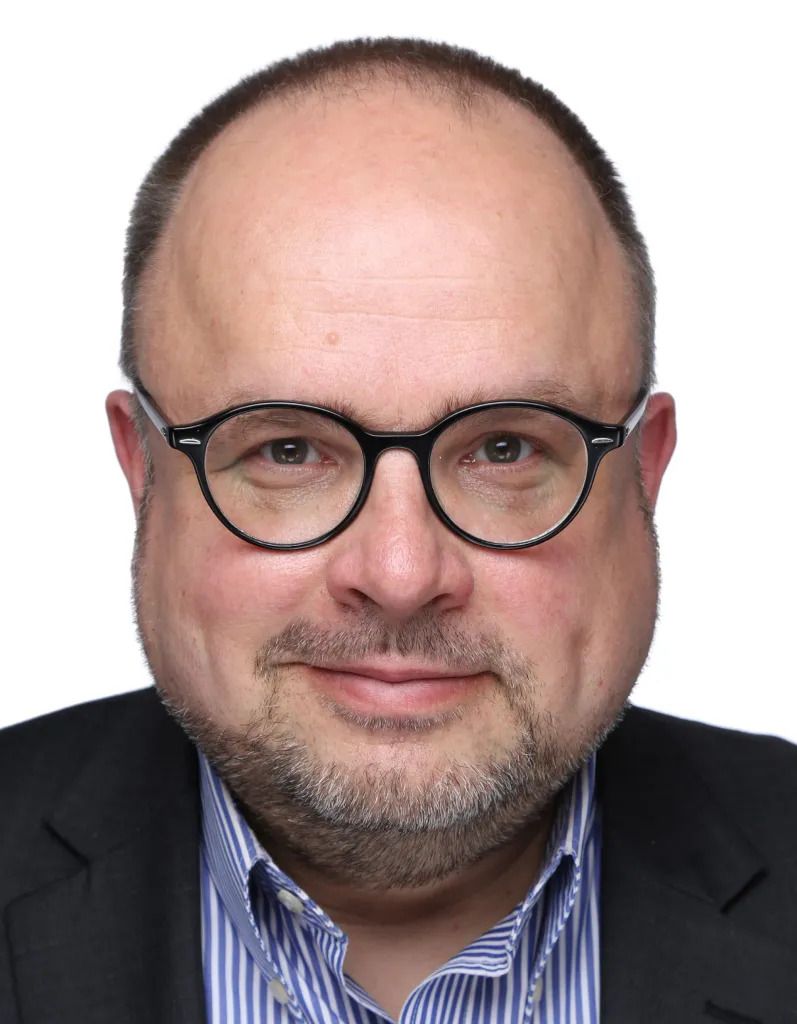
Techau is director with Eurasia Group's Europe team, covering Germany and European security from Berlin. Previously, he was director of Carnegie Europe.