

Q&A
John Hewko
{
  "authors": [
    "John Hewko"
  ],
  "type": "legacyinthemedia",
  "centerAffiliationAll": "dc",
  "centers": [
    "Carnegie Endowment for International Peace"
  ],
  "collections": [],
  "englishNewsletterAll": "democracy",
  "nonEnglishNewsletterAll": "",
  "primaryCenter": "Carnegie Endowment for International Peace",
  "programAffiliation": "DCG",
  "programs": [
    "Democracy, Conflict, and Governance"
  ],
  "projects": [],
  "regions": [],
  "topics": [
    "Democracy"
  ]
}
REQUIRED IMAGE
Source: Carnegie
Originally published in The Wall Street Journal, a Dow Jones company, on June 5, 2002
Beyond the glitz, the sound bites and MTV cameras, the tour of Africa by Bono and Treasury Secretary O?Neill ("Treasury Secretary Lets ?Silver Bullets? Fly," May 29) represents a golden opportunity to forge a public-private partnership to address poverty and under-development abroad. Although Mr. O?Neill is correct when he condemns the waste that has characterized aid programs in the past and demands results and accountability, Bono makes a valid point when he argues that massive amounts of capital will be needed in order to solve Africa?s problems. Since the resources of the private sector dwarf those of any government or international aid group, only a concerted public-private effort will result in any meaningful change. Unfortunately, the international development community has failed to understand the immensely positive role investors can play, not only in basic economic development, but in areas such as legal and institutional reform. Non-governmental organizations and development activists often mistrust multinational corporations and see them as money-grubbers prowling the globe for cheap labor and natural resources to exploit. The private sector, in turn, has not traditionally considered itself a vital player in the quest to alleviate poverty and misery.
John Hewko, Visiting Scholar, Carnegie Endowment for International Peace Washington
Former Nonresident Senior Associate, Democracy and Rule of Law Program
Hewko was a nonresident senior associate with the Carnegie Endowment’s Democracy and Rule of Law Program. His research focuses on international development issues, democracy promotion, and the countries of the former Soviet Union.
Recent Work
John Hewko
Carnegie does not take institutional positions on public policy issues; the views represented herein are those of the author(s) and do not necessarily reflect the views of Carnegie, its staff, or its trustees.
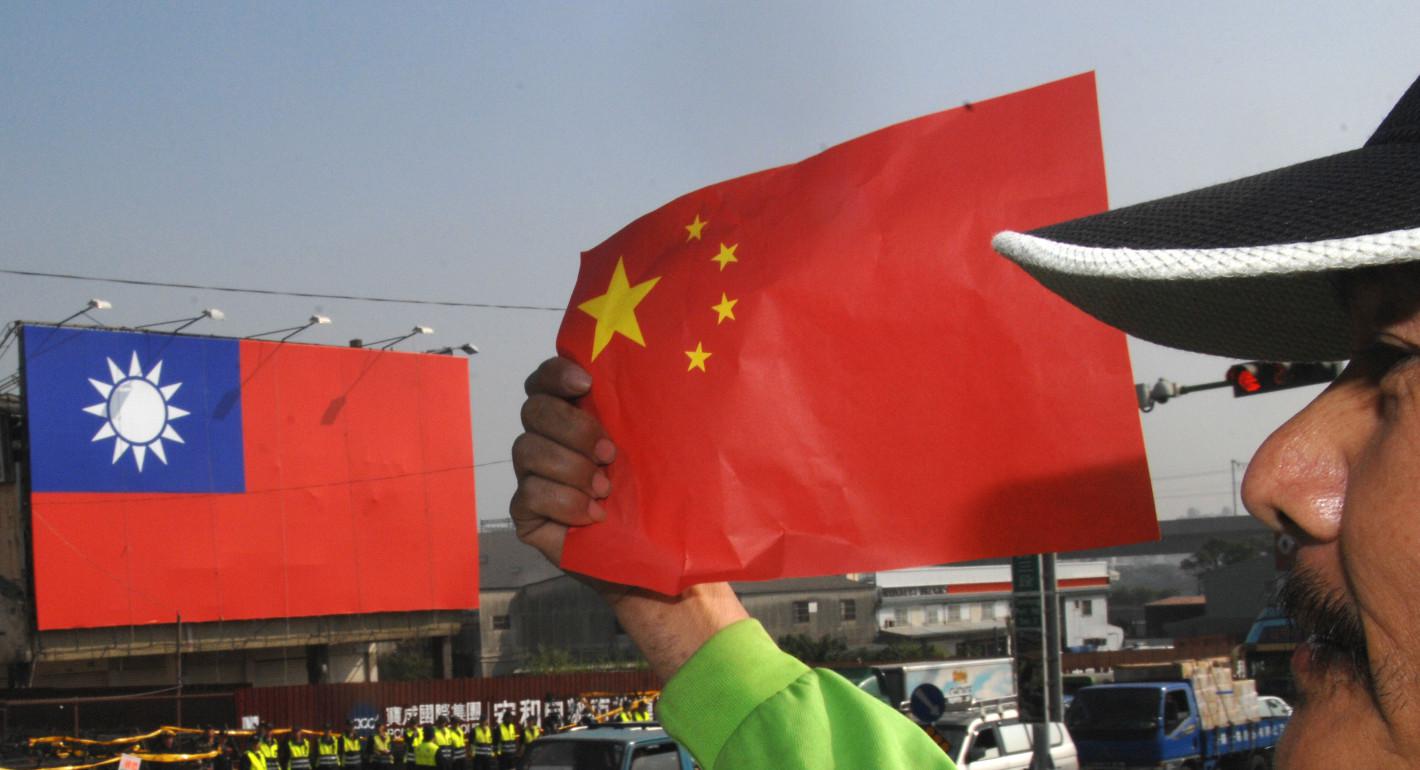
Beijing says that over 180 countries accept its “one China principle” regarding Taiwan, but the reality is more complicated.

Chong Ja Ian
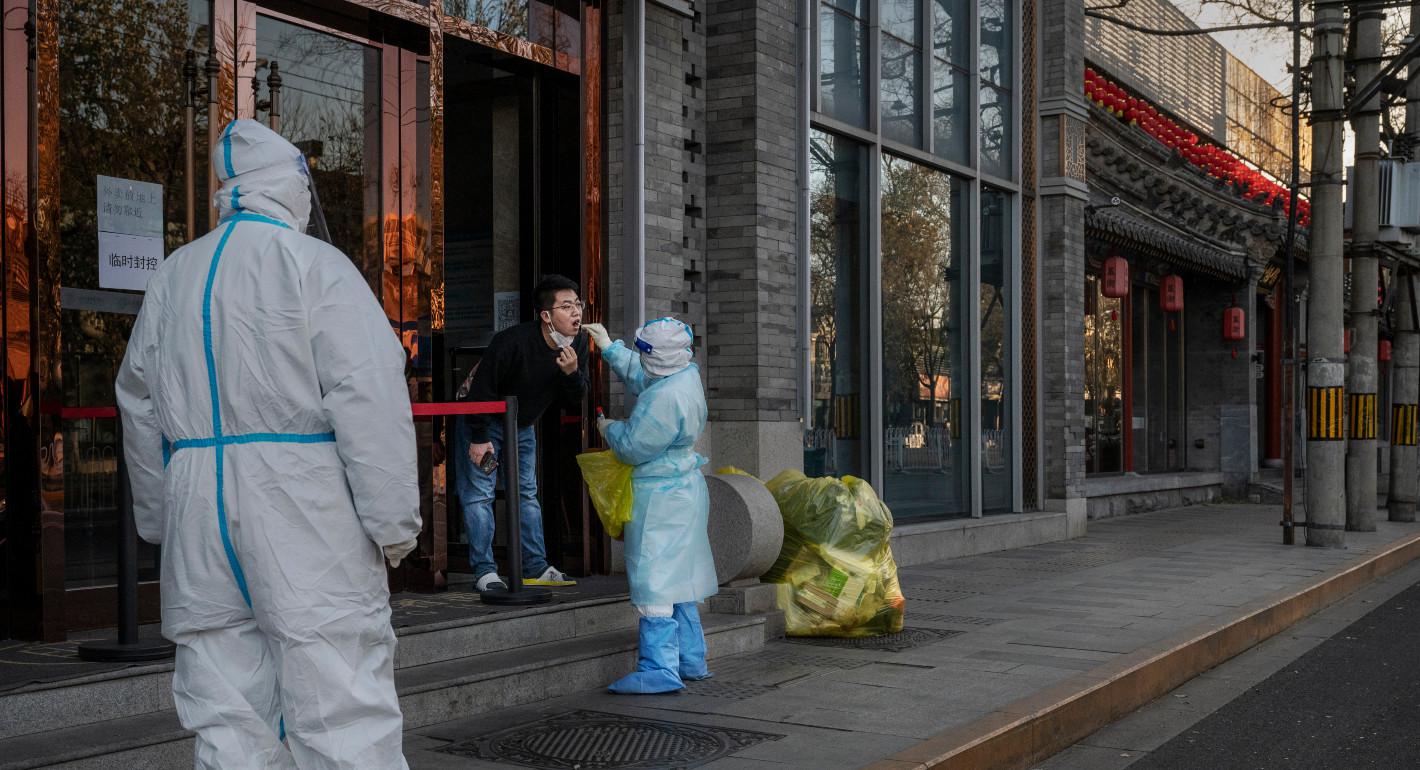
Beijing must choose between preserving its pandemic narrative or facing more unrest.

Paul Haenle
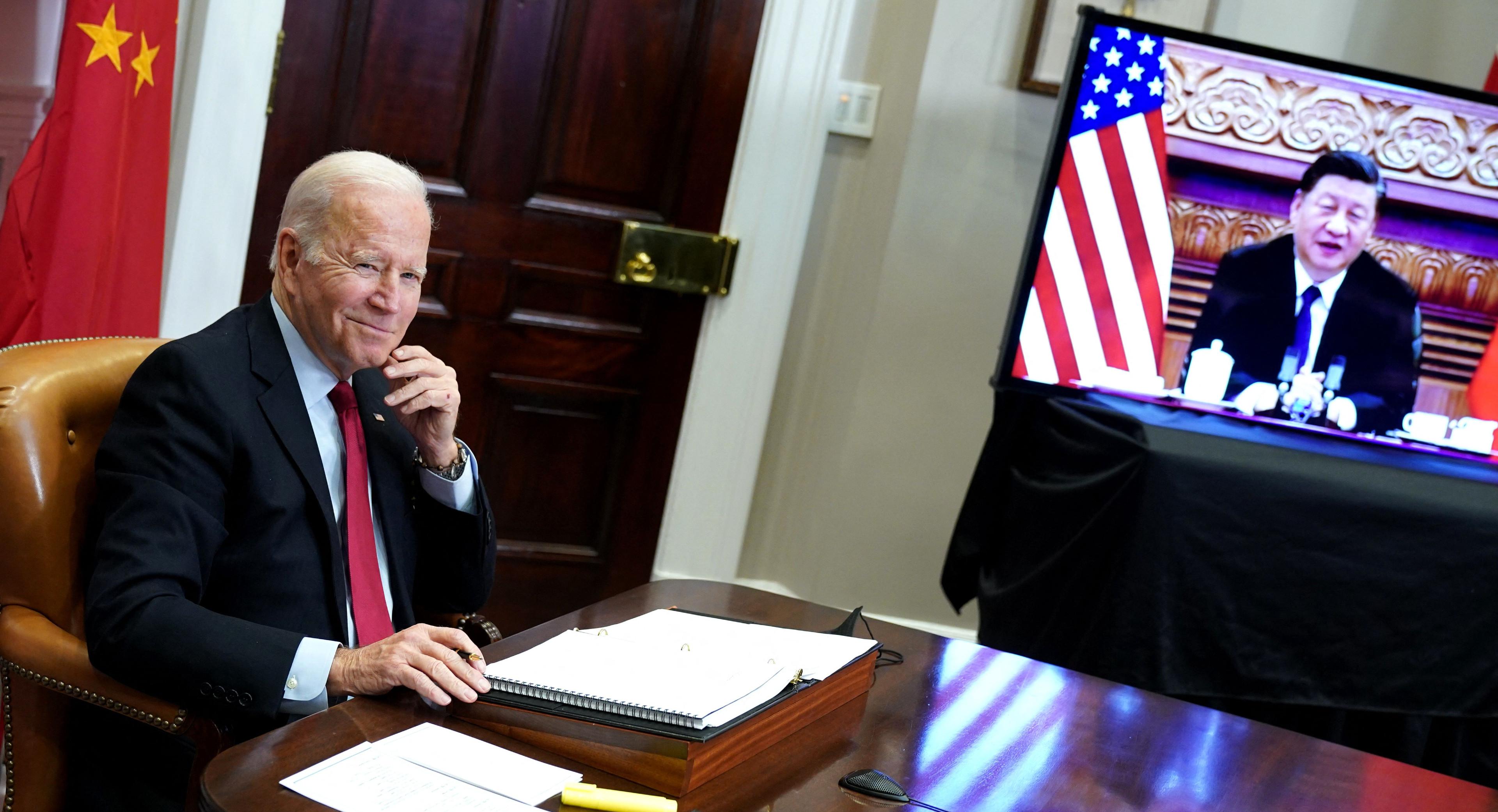
Three months after the Biden-Xi summit, the two sides’ divergent framings of the bilateral relationship are hindering progress.
Paul Haenle, Sam Bresnick
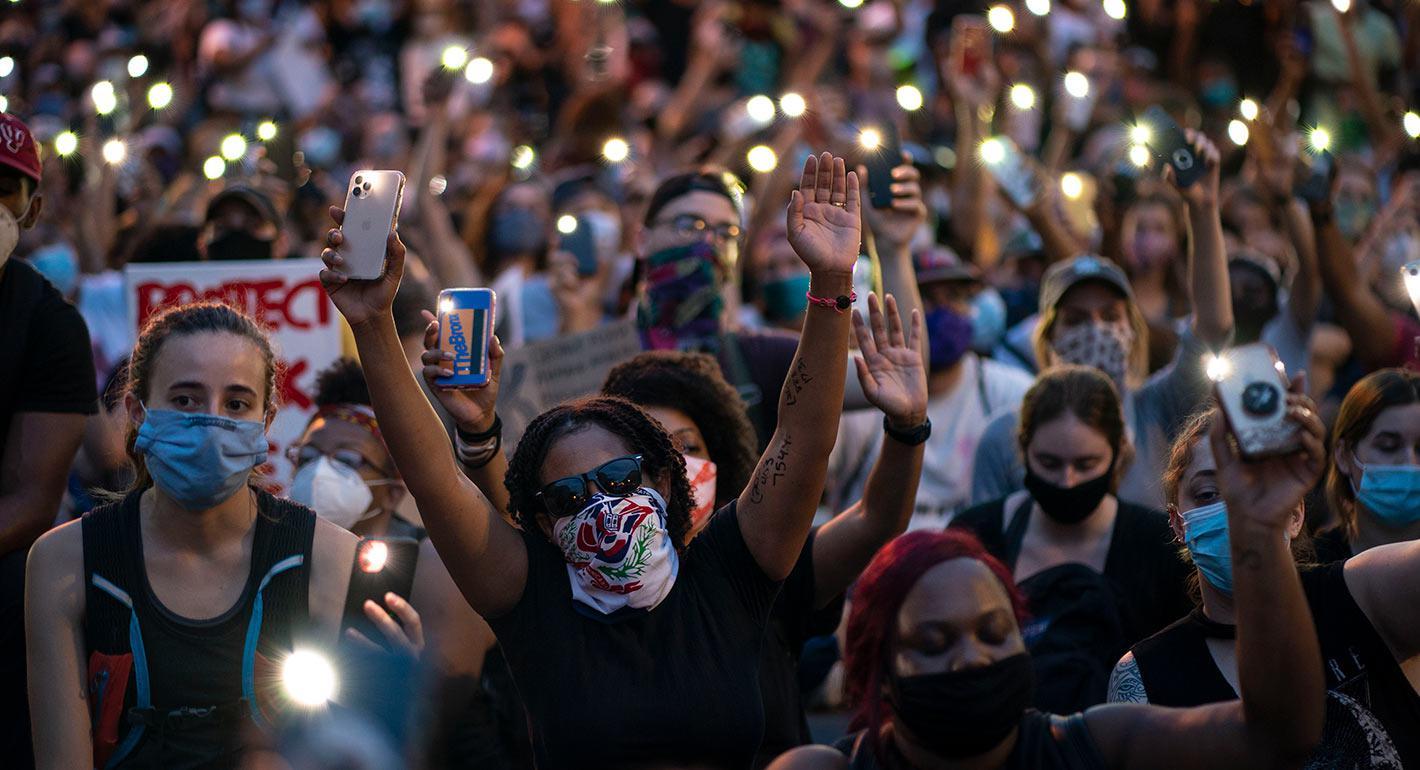
The murder of George Floyd has underscored the deep inequities that have long plagued American society. In a note to the Carnegie community, Bill Burns reflects on Carnegie’s commitment to build a more just future here at home and around the world, without which peace will remain beyond our grasp.
William J. Burns
Biological viruses and computer malware differ in important respects. They have considerable potential to spread widely, invading, disrupting and destroying their targets.
Ariel (Eli) Levite, Lyu Jinghua