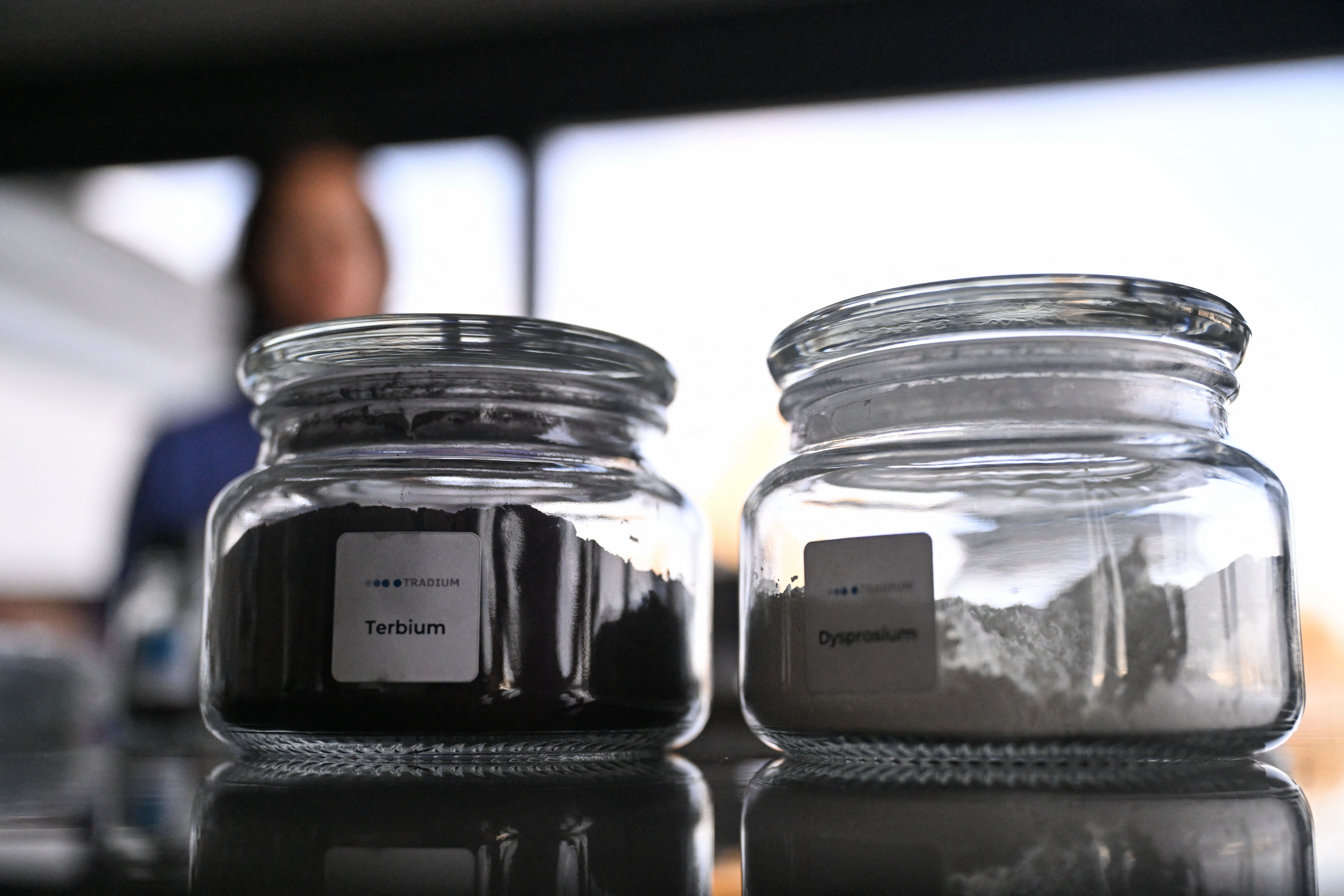
Regulation, not embargo, allows Beijing to shape how other countries and firms adapt to its terms.
Alvin Camba
{
"authors": [
"Shishir Priyadarshi"
],
"type": "other",
"centerAffiliationAll": "",
"centers": [
"Carnegie Endowment for International Peace"
],
"collections": [],
"englishNewsletterAll": "",
"nonEnglishNewsletterAll": "",
"primaryCenter": "Carnegie Endowment for International Peace",
"programAffiliation": "",
"programs": [],
"projects": [],
"regions": [],
"topics": [
"Economy",
"Trade"
]
}REQUIRED IMAGE
More than seven years after the members of the World Trade Organization (WTO) signed the landmark Agreement on Agriculture (AOA), the benefits and drawbacks of that accord are coming into stark relief. A new agreement should give developing countries the flexibility to adopt domestic policies that are geared to enhance domestic production and protect the livelihoods of their rural poor.
Source: Carnegie
More than seven years after the members of the World Trade Organization (WTO) signed the landmark Agreement on Agriculture (AOA), the benefits and drawbacks of that accord are coming into stark relief. For developing countries dependent on agriculture exports, the AOA has not succeeded in opening markets in industrial countries. Even more crucially, the low-income and resource-poor farmers in the world’s poor and vulnerable countries continue to suffer from a lack of adequate and secure food sources, while having to contend with import surges and other forces of global competition.
The new round of agriculture negotiations, the mandate of which was further strengthened in the November 2001 Doha Ministerial Declaration, gives the WTO and its members a chance to rectify these imbalances. A new agreement should give developing countries the flexibility to adopt domestic policies that are geared to enhance domestic production and protect the livelihoods of their rural poor.
About the Author
Shishir Priyadarshi is on the staff of the Development and Economic Research Division of the World Trade Organization in Geneva. He is responsible for the work of the WTO’S Committee on Trade and Development, including the mandated work arising out of the Doha Development Agenda on technology transfer and special and differential treatment. Until recently, he was on the staff of the South Centre, an intergovernmental organization of developing countries based in Geneva, where he was responsible for providing developing countries with analytical and technical assistance on issues being considered by the WTO.
Shishir Priyadarshi
Regulation, not embargo, allows Beijing to shape how other countries and firms adapt to its terms.
Alvin Camba
Rather than climate ambitions, compatibility with investment and exports is why China supports both green and high-emission technologies.
Mathias Larsen
“Involution” is a new word for an old problem, and without a very different set of policies to rein it in, it is a problem that is likely to persist.
Michael Pettis
While China's investment story seems contradictory from the outside, the real answers to Beijing's high-quality growth ambitions are hiding in plain sight across the nation's cities.
Yuhan Zhang
China's stimulus addiction cannot go on forever. Beijing still has policy space to clean up the country's massive debt issue, but time is running short.
Michael Pettis