

Commentary
The advantage that China has over other global powers, especially America, is that its foreign policy is closely aligned with those of many of the Middle Eastern countries.
Jin Liangxiang, Maha Yahya, Hesham Alghannam
{
  "authors": [],
  "type": "pressRelease",
  "centerAffiliationAll": "",
  "centers": [
    "Carnegie Endowment for International Peace"
  ],
  "collections": [],
  "englishNewsletterAll": "",
  "nonEnglishNewsletterAll": "",
  "primaryCenter": "Carnegie Endowment for International Peace",
  "programAffiliation": "",
  "programs": [],
  "projects": [],
  "regions": [
    "Middle East"
  ],
  "topics": [
    "Political Reform"
  ]
}
REQUIRED IMAGE
Middle East Political Reform: Same Message, Different Approaches for U.S. and Europe, Says New Paper
In a new Policy Outlook, Carnegie Endowment Senior Associates Marina Ottaway and Amr Hamzawy argue that the United States and Europe have little to gain by launching joint projects to promote democracy in the Middle East. While it is important that Europe and the United States send similar messages about the importance of political reform, their respective assets and liabilities in dealing with the Arab world are too different to achieve successful cooperation. Moreover, the effectiveness of U.S. and European political reform promotion in the region should not be sacrificed in an attempt to heal the transatlantic rift resulting from the Iraq war. Political Reform in the Middle East: Can the United States and Europe Work Together? is available exclusively on the web at www.CarnegieEndowment.org/democracy.
In addition to basic differences in the character of their foreign policies, the United States and Europe bring specific strengths and weaknesses to their dealings with the Middle East. U.S. strengths include its undeniable power in the region and its lack of a colonial past. Its liabilities include its policy toward Israel, which Arabs consider imbalanced, and the consequent lack of credibility in the region. Europe has strong economic and trade relations with the Arab world, geographical proximity, cultural affinity, and a ten-year track record of promoting reform. However, when Europe tries to pressure Arab governments on political reform, its influence is weak; since these governments know that Europe’s major interests in the region are economic and security driven, they do not take this pressure seriously.
Both sides should capitalize on their respective, significant strengths in order to effect reform, rather than launch joint policies that are whittled down to the lowest common denominator. Political Reform in the Middle East offers specific suggestions as to how the United States and Europe can become more effective in promoting reform in the region.
Marina Ottaway and Amr Hamzawy are senior associates with the Carnegie Endowment’s Democracy and Rule of Law Project. Ottaway’s most recent book is Uncharted Journey: Promoting Democracy in the Middle East, coedited with Thomas Carothers (Carnegie, January 2005). Hamzawy will be based at the Endowment in January. The Democracy Project includes the Middle East Political Reform Initiative, which offers analysis and practical advice on whether and how political reform could occur in the Arab world and what the United States and other external actors can do to encourage such change.
Carnegie does not take institutional positions on public policy issues; the views represented herein are those of the author(s) and do not necessarily reflect the views of Carnegie, its staff, or its trustees.
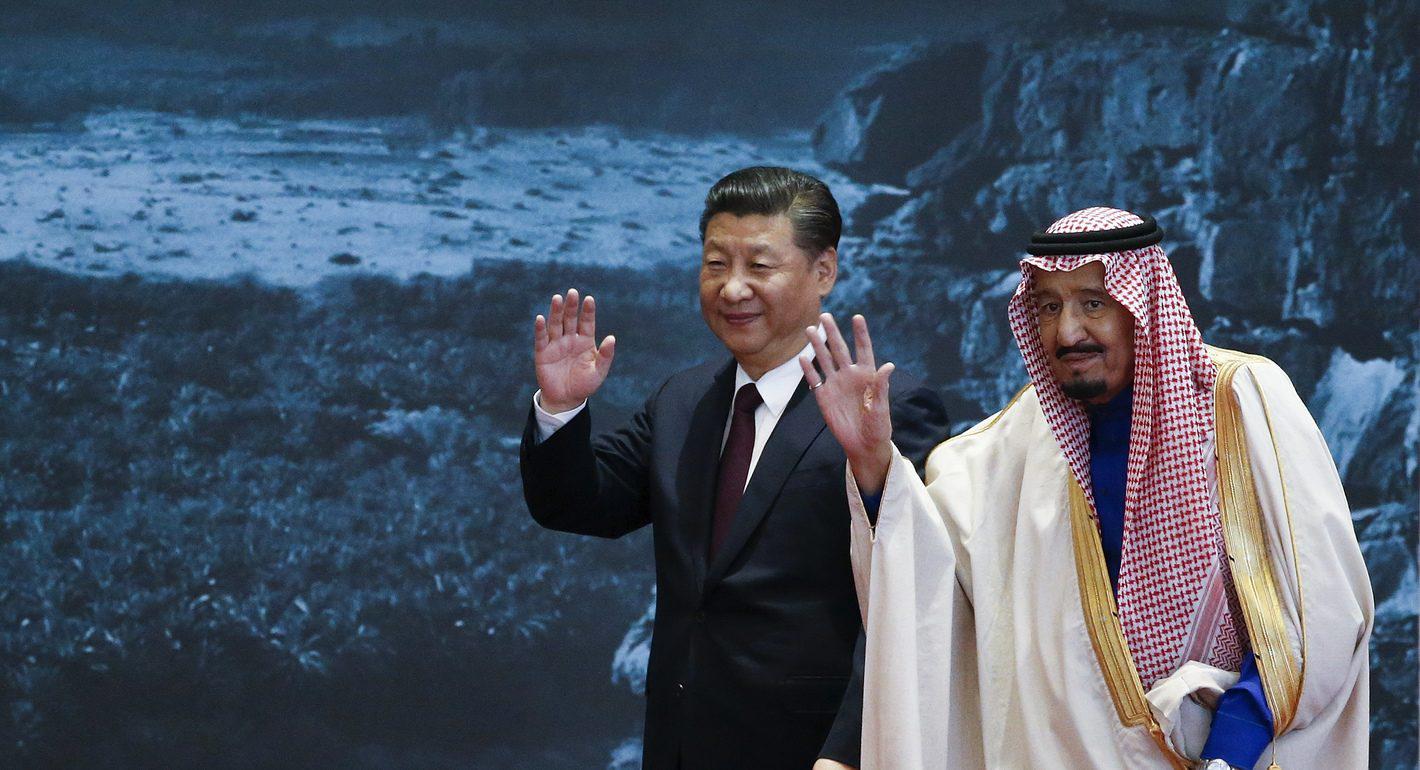
The advantage that China has over other global powers, especially America, is that its foreign policy is closely aligned with those of many of the Middle Eastern countries.
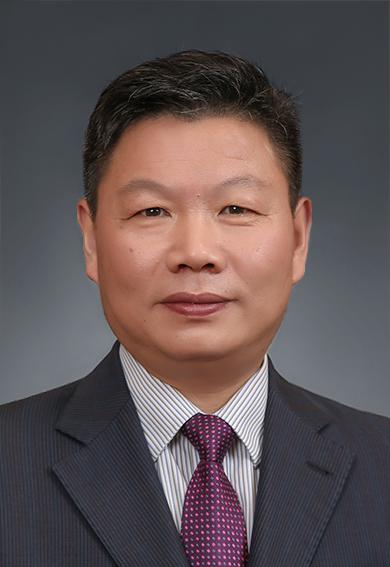


Jin Liangxiang, Maha Yahya, Hesham Alghannam
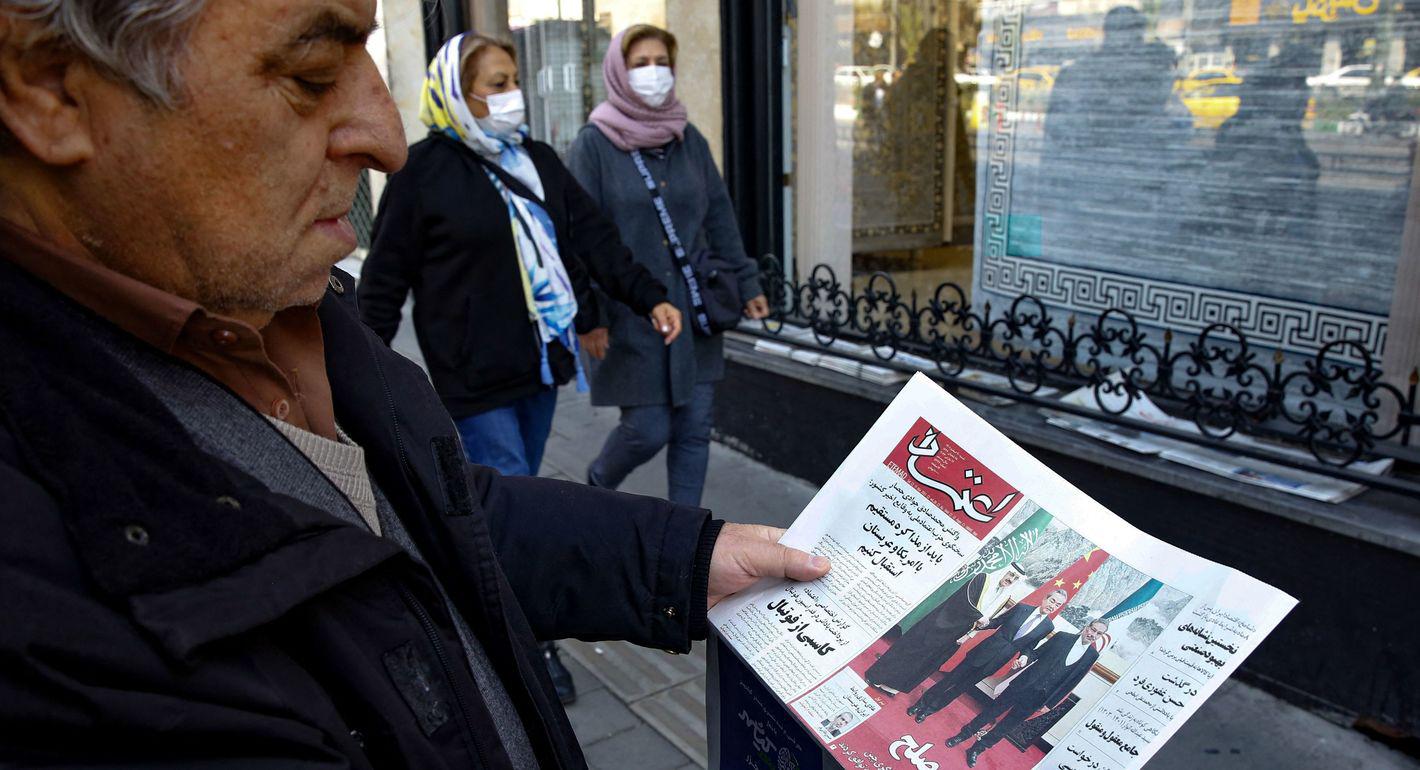
Transactional relationships are stable but can be shallow.


Paul Haenle, Maha Yahya, Benjamin Ho, …
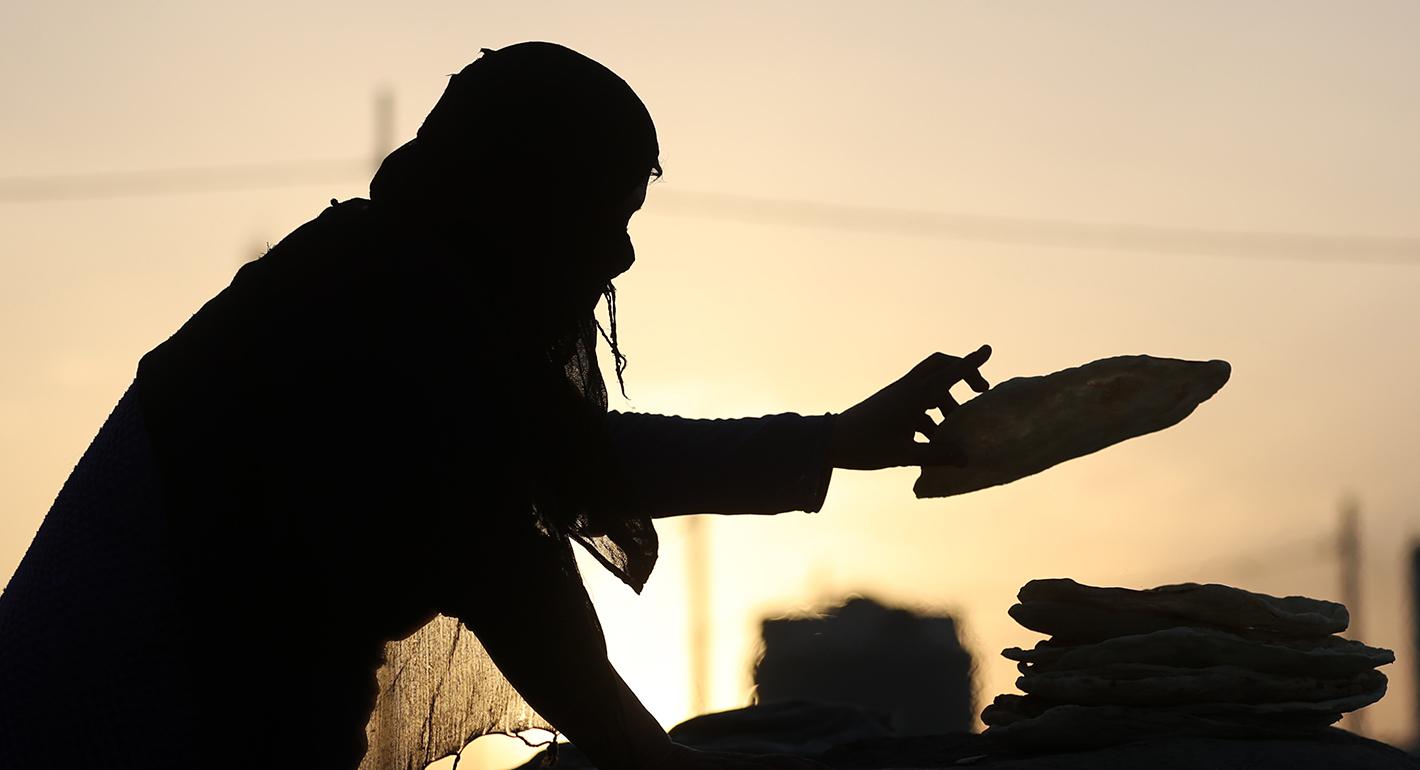
It’s about managing oil prices, bread prices, and strategic partnerships.



Amr Hamzawy, Karim Sadjadpour, Aaron David Miller, …
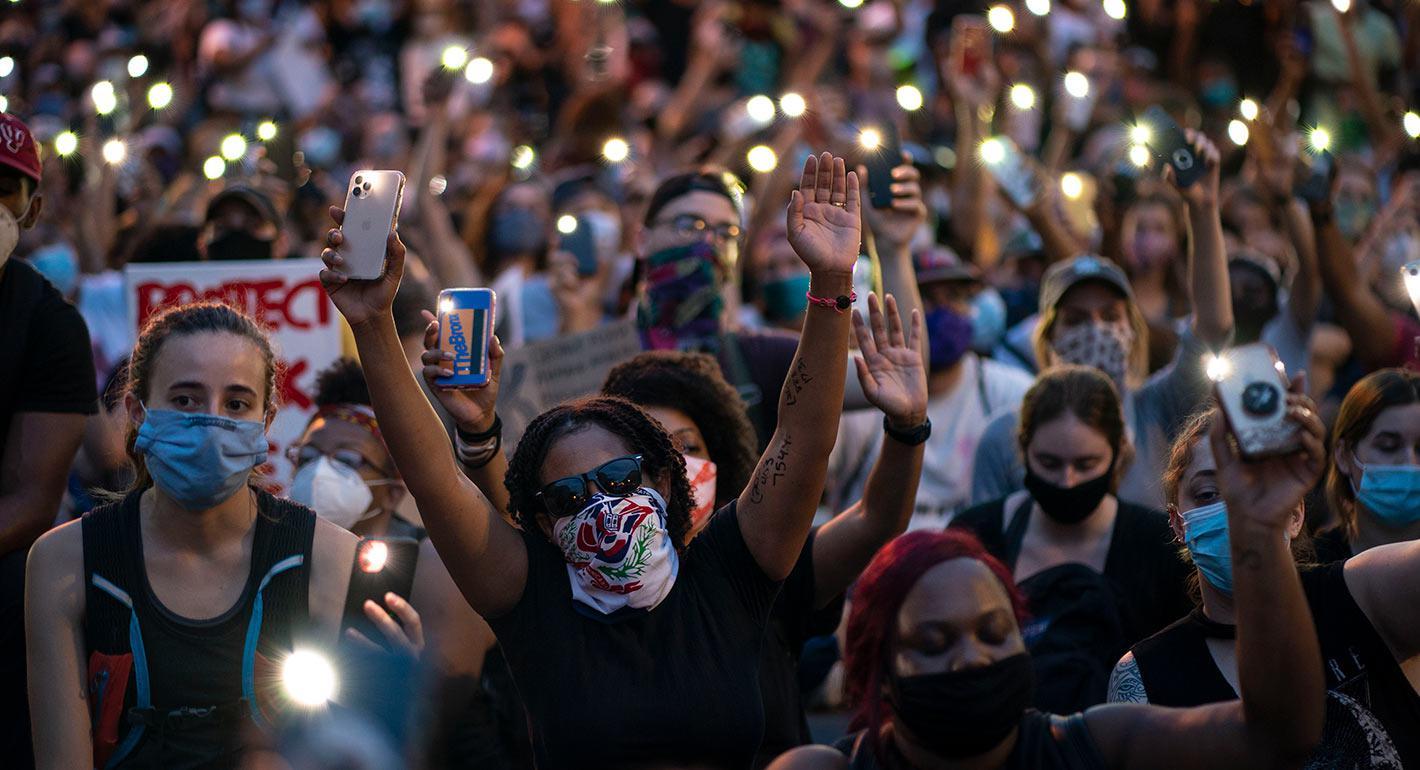
The murder of George Floyd has underscored the deep inequities that have long plagued American society. In a note to the Carnegie community, Bill Burns reflects on Carnegie’s commitment to build a more just future here at home and around the world, without which peace will remain beyond our grasp.
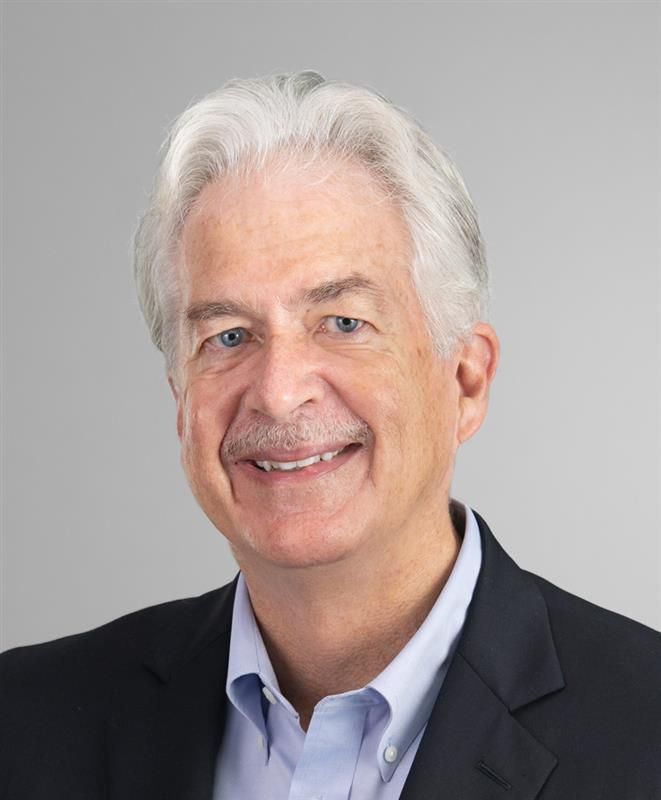
William J. Burns
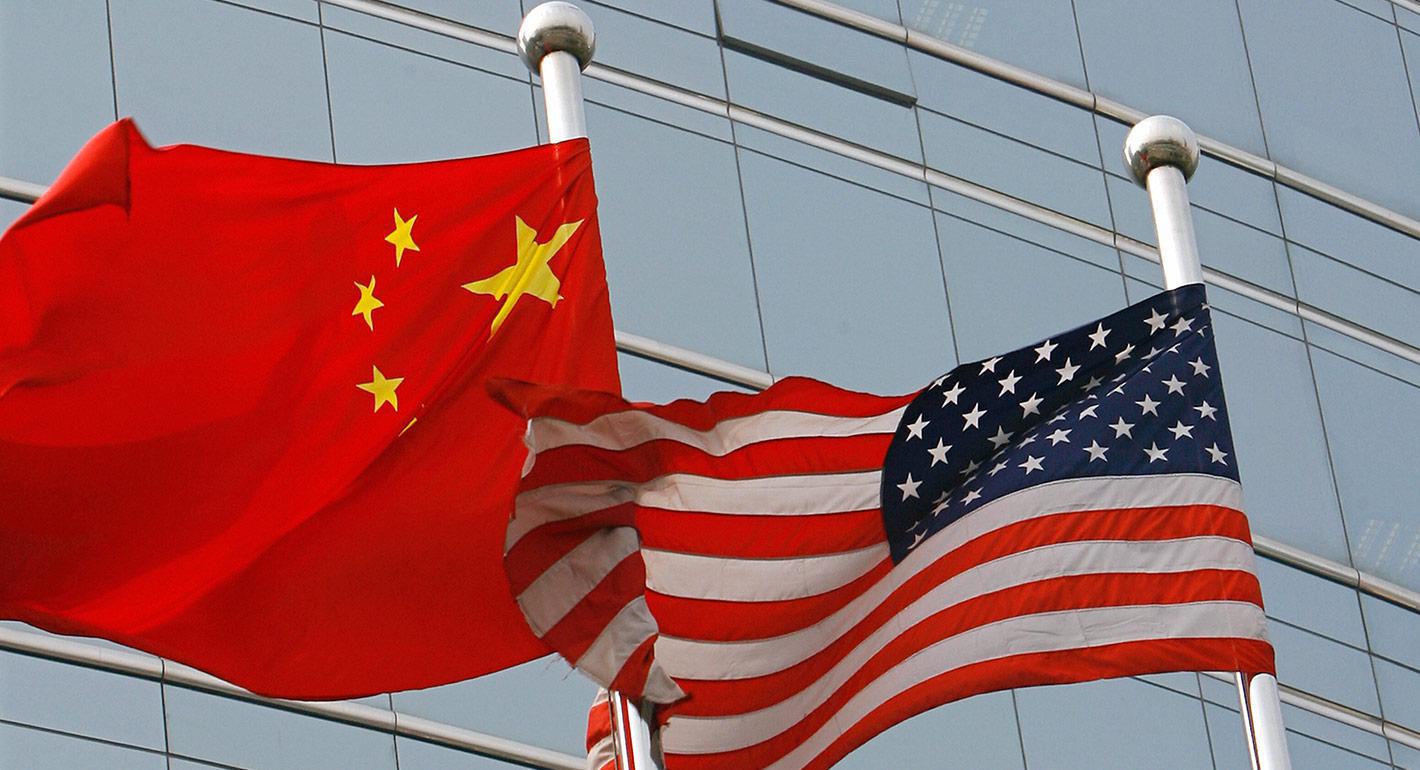
While the world hoped this pandemic might lead to more cooperation between these two great powers, American and Chinese leaders instead fell into a blame game and allowed their increasing suspicions to guide their decision-making.
Lyu Jinghua