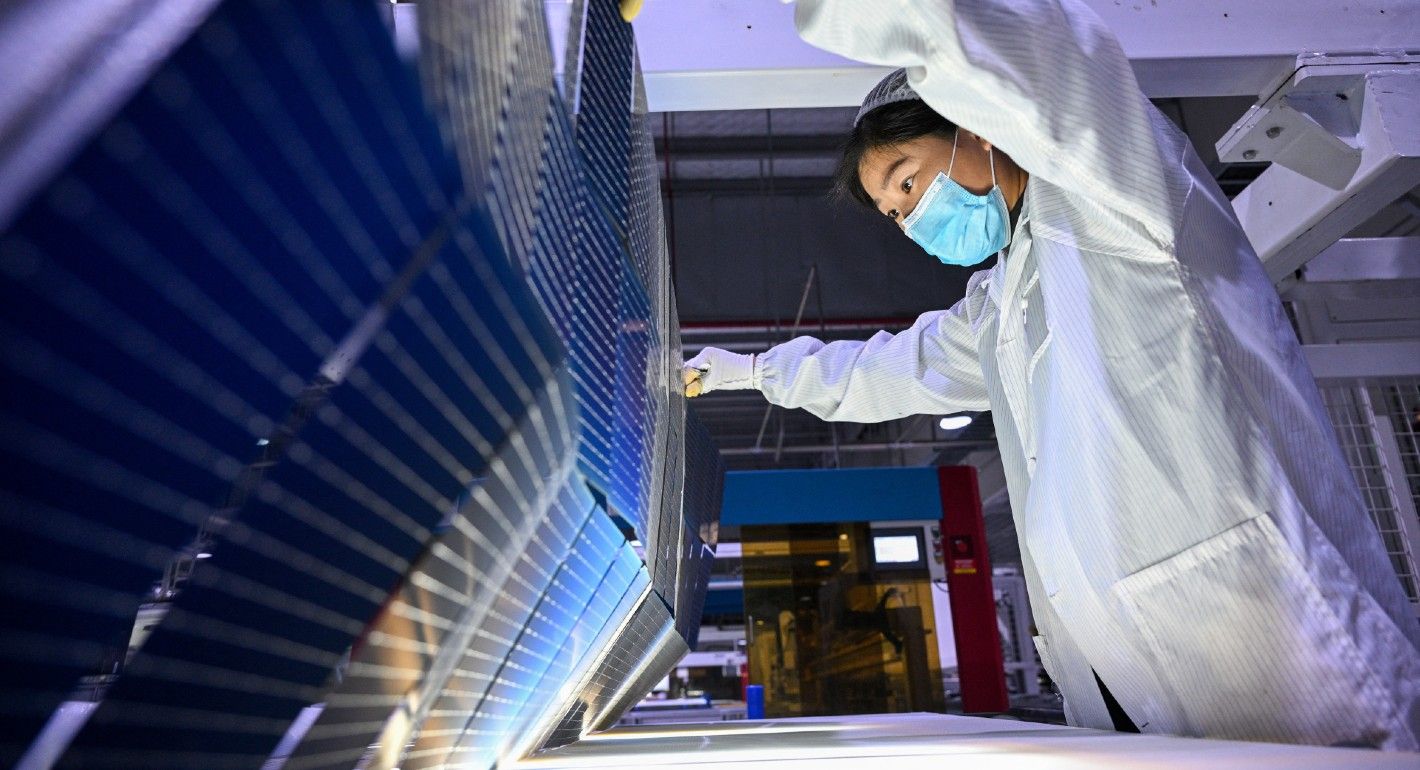

Rather than climate ambitions, compatibility with investment and exports is why China supports both green and high-emission technologies.
Mathias Larsen
{
"authors": [
"Nina Poussenkova"
],
"type": "legacyinthemedia",
"centerAffiliationAll": "dc",
"centers": [
"Carnegie Endowment for International Peace"
],
"collections": [],
"englishNewsletterAll": "ctw",
"nonEnglishNewsletterAll": "",
"primaryCenter": "Carnegie Endowment for International Peace",
"programAffiliation": "russia",
"programs": [
"Russia and Eurasia"
],
"projects": [],
"regions": [],
"topics": [
"Economy"
]
}REQUIRED IMAGE
Source: Pro et Contra
This article orginally appeared in Russian in "The Power of Oil and Gas" edition of the Pro et Contra journal (Volume 10, Nos. 2-3, 2006), published by the Carnegie Moscow Center.
In the run-up to the placing of Rosneft shares on international capital markets, the Russian president's good will defends investors against political risks, making the company more attractive to investors and raising the potential price of its shares. Outside Russia , however, the forthcoming Rosneft initial public offering has raised numerous questions. Western analysts are concerned about its tremendous debt load. George Soros has spoken of ethical issues and the problems of Europe 's energy security. Other international experts are concerned that Rosneft is an instrument of government policy and may thus pursue political goals, to the detriment of shareholders. Indeed, Russian citizens would be well served to learn whether this state-owned company is managed more for the benefit of its own management, the state establishment, or the country's national interests.
For the full text, please click on the link above.
Former Scholar-in-Residence, Moscow Center
Nina Poussenkova is the chair of the Carnegie Moscow Center's Economics and Energy Policy Program.
Carnegie does not take institutional positions on public policy issues; the views represented herein are those of the author(s) and do not necessarily reflect the views of Carnegie, its staff, or its trustees.
Rather than climate ambitions, compatibility with investment and exports is why China supports both green and high-emission technologies.
Mathias Larsen
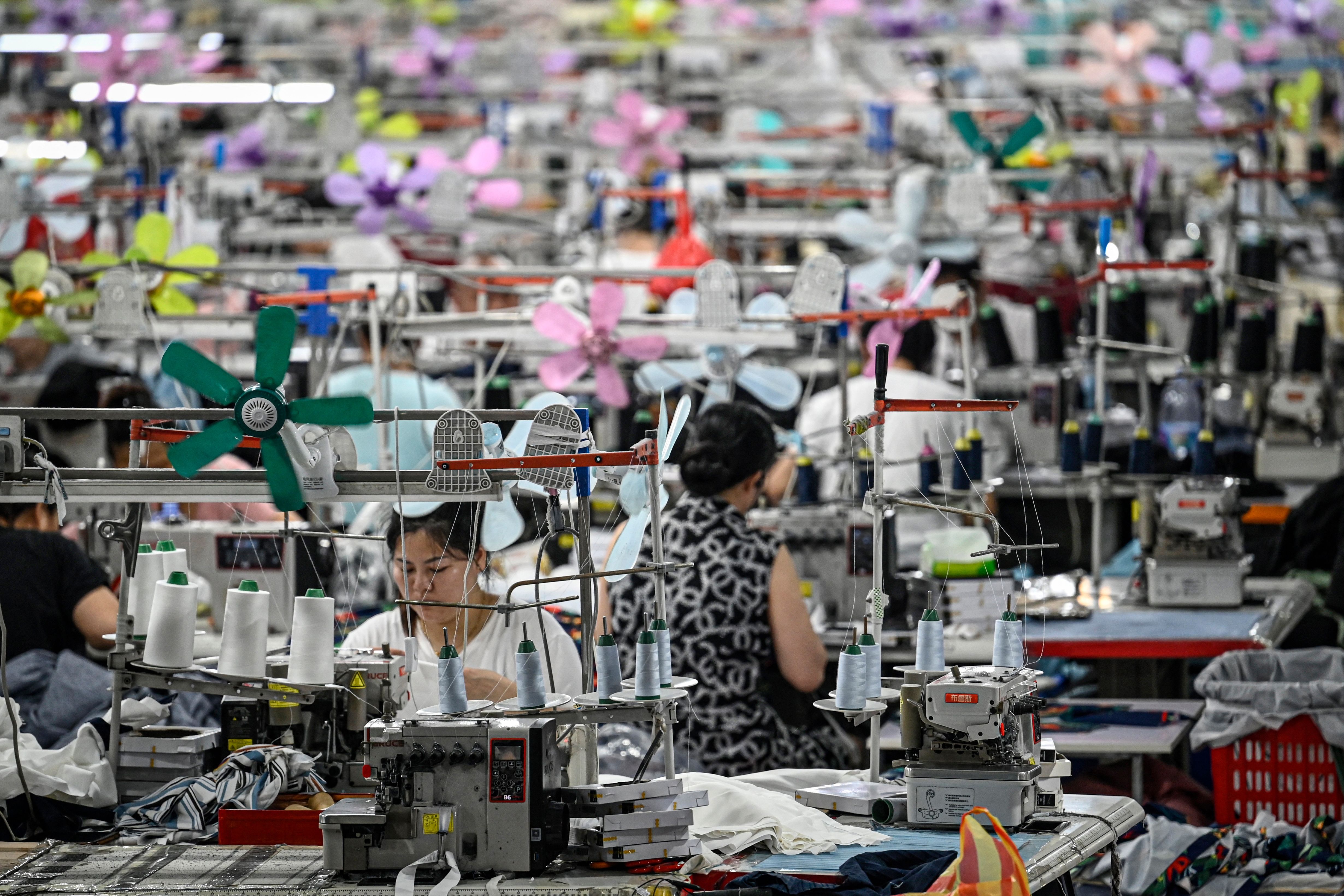
“Involution” is a new word for an old problem, and without a very different set of policies to rein it in, it is a problem that is likely to persist.
Michael Pettis
While China's investment story seems contradictory from the outside, the real answers to Beijing's high-quality growth ambitions are hiding in plain sight across the nation's cities.
Yuhan Zhang
China's stimulus addiction cannot go on forever. Beijing still has policy space to clean up the country's massive debt issue, but time is running short.
Michael Pettis
A quick look at the complexities behind Beijing’s enduring Catch-22 situation with revaluing the Renminbi, despite advantages of a stronger currency.
Michael Pettis