

Paper
George Perkovich
{
  "authors": [
    "George Perkovich"
  ],
  "type": "legacyinthemedia",
  "centerAffiliationAll": "dc",
  "centers": [
    "Carnegie Endowment for International Peace"
  ],
  "collections": [],
  "englishNewsletterAll": "ctw",
  "nonEnglishNewsletterAll": "",
  "primaryCenter": "Carnegie Endowment for International Peace",
  "programAffiliation": "NPP",
  "programs": [
    "Nuclear Policy"
  ],
  "projects": [],
  "regions": [],
  "topics": [
    "Nuclear Policy"
  ]
}
REQUIRED IMAGE
The effort to constrain the acquisition and use of nuclear weapons is perhaps the most ambitious attempt ever made to extend the civilizing reach of the rule of law over humankind’s destructive capacity. The United States, the Soviet Union, and other states laid the foundation for this mission in the 1960s with the negotiation of the nuclear Non-Proliferation Treaty.
Source: Current History
The effort to constrain the acquisition and use of nuclear weapons is perhaps the most ambitious attempt ever made to extend the civilizing reach of the rule of law over humankind’s destructive capacity. The United States, the Soviet Union, and other states laid the foundation for this mission in the 1960s with the negotiation of the nuclear Non-Proliferation Treaty (NPT).
The treaty enshrines three basic bargains at the core of the nonproliferation regime. States that had not tested nuclear weapons before January 1, 1967, promised not to seek the transfer or manufacture of nuclear weapons, while the states that had already tested nuclear weapons promised to work seriously toward eliminating their nuclear arsenals. States with advanced nuclear capability promised to assist non-nuclear weapon states to develop “the applications of nuclear energy for peaceful purposes.” And, less formally, states with nuclear weapons (primarily the United States and the Soviet Union) pledged to come to the assistance of non-nuclear-weapon states if they were threatened with nuclear attack.

Japan Chair for a World Without Nuclear Weapons, Senior Fellow
George Perkovich is the Japan Chair for a World Without Nuclear Weapons and a senior fellow in the Carnegie Endowment for International Peace’s Nuclear Policy Program. He works primarily on nuclear deterrence, nonproliferation, and disarmament issues.
Recent Work
George Perkovich
George Perkovich
Carnegie does not take institutional positions on public policy issues; the views represented herein are those of the author(s) and do not necessarily reflect the views of Carnegie, its staff, or its trustees.

China has showcased its engineering prowess with small modular reactor demonstration projects. But turning these technological achievements into commercial success will be a greater challenge.

Tong Zhao

The nuclear relationship between China and the United States is increasingly shaped by widening perception gaps rather than deliberate strategic design.
Tong Zhao
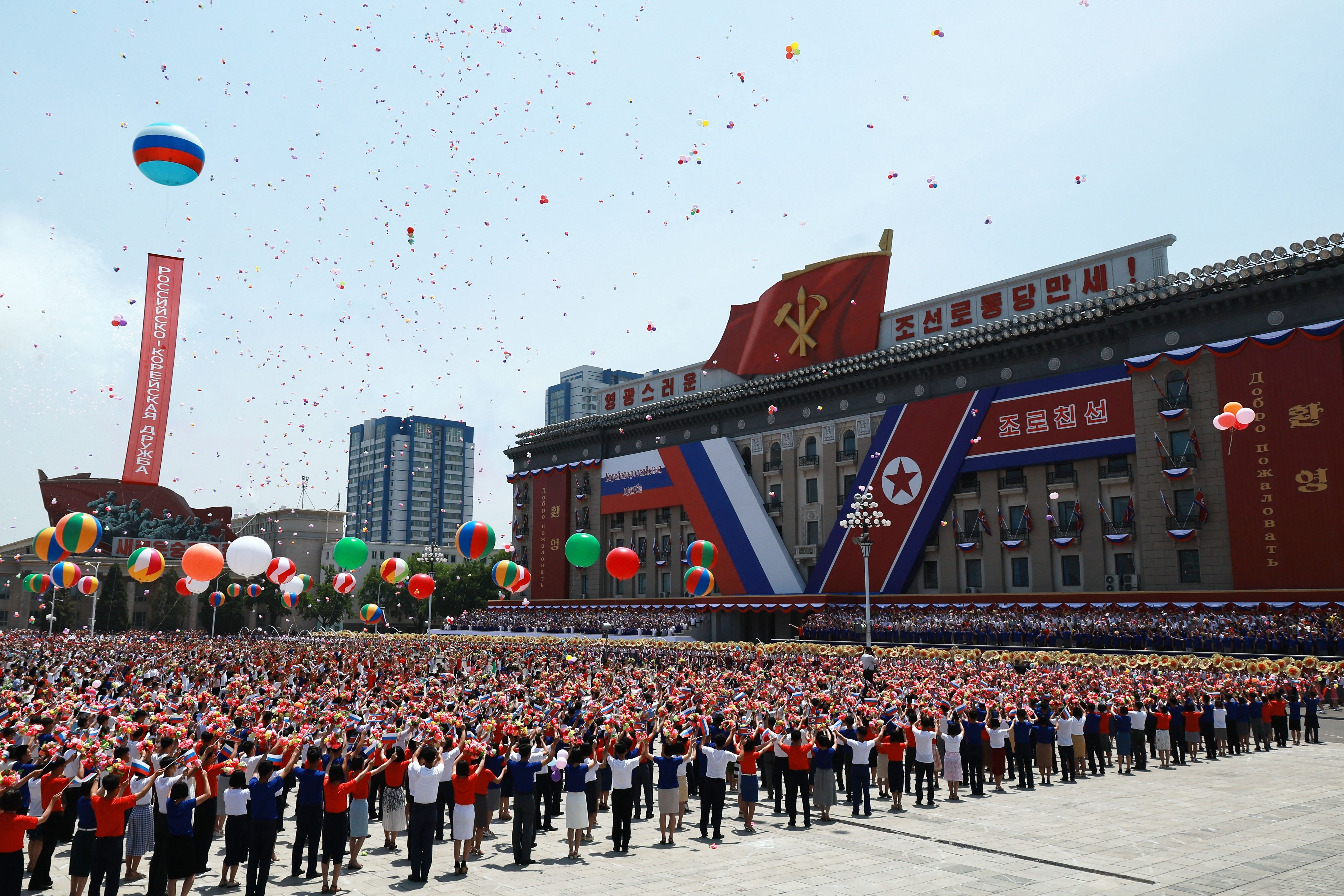
Faced with an increase in strategic maneuvering by Moscow and Pyongyang, Beijing will not sit idly by and allow Putin and Kim to shape the security environment on its behalf.
Tong Zhao
China views U.S. missile defense as posing a greater potential threat to China’s nuclear deterrent than other U.S. military capabilities.
Tong Zhao, Dmitry Stefanovich
There are certainly other issues among other P5 countries, but the U.S.-China competition is so by far the most consequential great power rivalry in the international system, and it has very far-reaching geopolitical implications at and beyond the Pacific region.
Tong Zhao