

Paper
The nuclear relationship between China and the United States is increasingly shaped by widening perception gaps rather than deliberate strategic design.
Tong Zhao
{
  "authors": [],
  "type": "pressRelease",
  "centerAffiliationAll": "dc",
  "centers": [
    "Carnegie Endowment for International Peace"
  ],
  "collections": [],
  "englishNewsletterAll": "ctw",
  "nonEnglishNewsletterAll": "",
  "primaryCenter": "Carnegie Endowment for International Peace",
  "programAffiliation": "NPP",
  "programs": [
    "Nuclear Policy"
  ],
  "projects": [],
  "regions": [],
  "topics": [
    "Nuclear Policy"
  ]
}
REQUIRED IMAGE
FOR IMMEDIATE RELEASE: August 21, 2007
- NEWS RELEASE -
WASHINGTON, Aug 21—An unprecedented gathering of 800 nonproliferation experts from 33 countries has identified ten key priorities for the nonproliferation regime, providing specific recommendations for international agencies; the business community; and the United States, EU, and Russia.
The Top Ten Results from the 2007 Carnegie International Nonproliferation Conference identifies the three most critical challenges to the nonproliferation regime, the three best new policy proposals, and the four most important policies to implement by 2010.
The ten priorities are a result of the June 2007 Carnegie International Nonproliferation Conference, sponsored by the Carnegie Endowment for International Peace, that brought together U.S. and foreign government officials, policy and technical experts, academics, and journalists, as well as representatives from the International Atomic Energy Agency (IAEA), the United Nations, and the European Union to exchange ideas on the most urgent nonproliferation topics.
Top Three Challenges to the Nonproliferation regime:
Top Three Best New Policy Proposals:
Top Four High Impact Ideas to Implement by 2010:
###
Notes:
Carnegie does not take institutional positions on public policy issues; the views represented herein are those of the author(s) and do not necessarily reflect the views of Carnegie, its staff, or its trustees.

The nuclear relationship between China and the United States is increasingly shaped by widening perception gaps rather than deliberate strategic design.

Tong Zhao
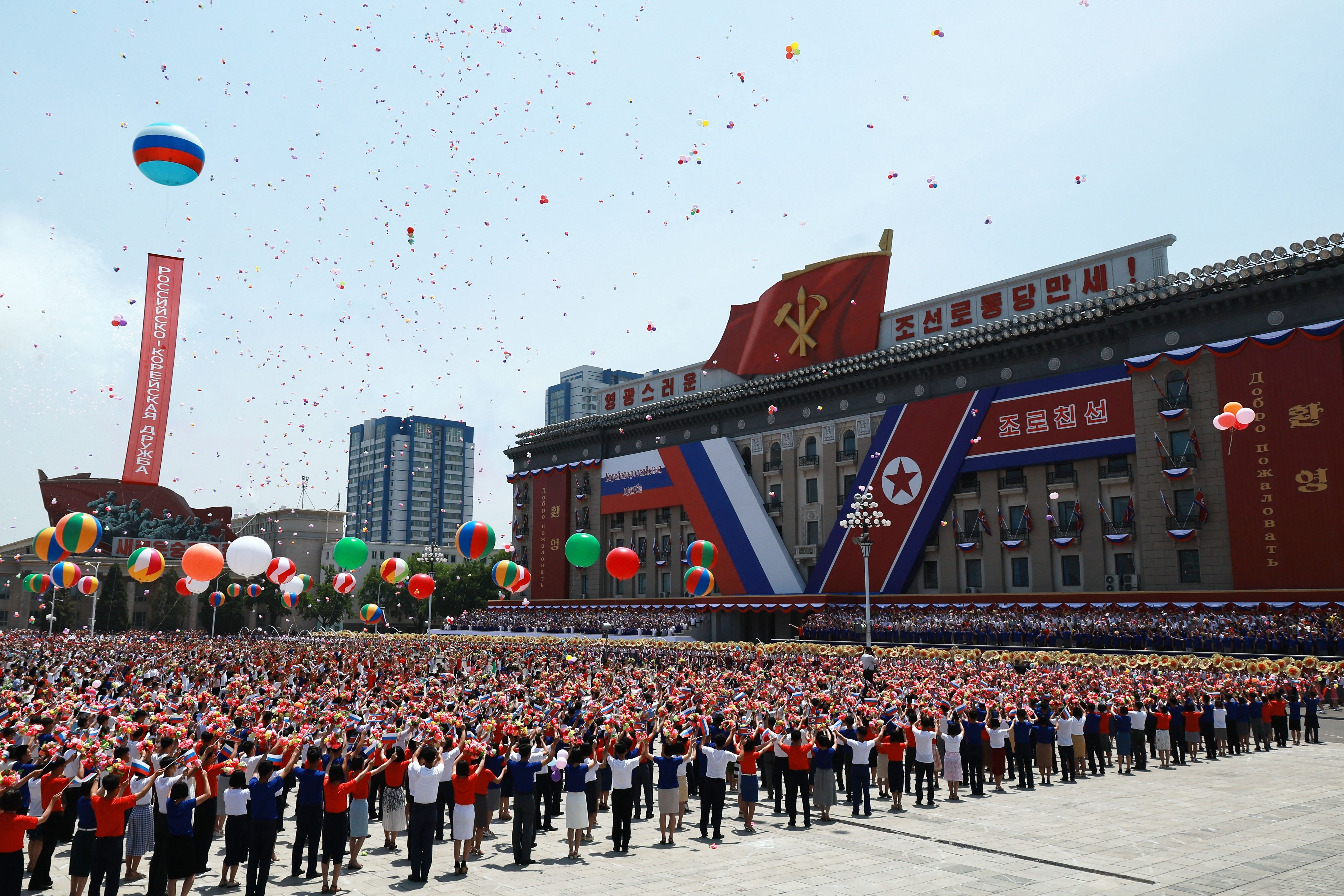
Faced with an increase in strategic maneuvering by Moscow and Pyongyang, Beijing will not sit idly by and allow Putin and Kim to shape the security environment on its behalf.
Tong Zhao
China views U.S. missile defense as posing a greater potential threat to China’s nuclear deterrent than other U.S. military capabilities.
Tong Zhao, Dmitry Stefanovich
There are certainly other issues among other P5 countries, but the U.S.-China competition is so by far the most consequential great power rivalry in the international system, and it has very far-reaching geopolitical implications at and beyond the Pacific region.
Tong Zhao

Satellite data has revealed the construction of new nuclear missile silos in Gansu and Xinjiang in western China. How U.S. and Chinese experts interpret the buildup and the motivations behind it could greatly reshape their security relationship.
Tong Zhao