

Commentary
Malaysia’s chairmanship sought to fend off short-term challenges while laying the groundwork for minimizing ASEAN’s longer-term exposure to external stresses.
Elina Noor
{
  "authors": [],
  "type": "pressRelease",
  "centerAffiliationAll": "dc",
  "centers": [
    "Carnegie Endowment for International Peace"
  ],
  "collections": [
    "U.S. Nuclear Policy"
  ],
  "englishNewsletterAll": "ctw",
  "nonEnglishNewsletterAll": "",
  "primaryCenter": "Carnegie Endowment for International Peace",
  "programAffiliation": "NPP",
  "programs": [
    "Nuclear Policy"
  ],
  "projects": [],
  "regions": [
    "North America",
    "United States"
  ],
  "topics": [
    "Foreign Policy",
    "Nuclear Policy",
    "Nuclear Energy"
  ]
}
REQUIRED IMAGE
Efforts to re-invigorate a movement to abolish nuclear weapons are rising on the international agenda. For states without weapons, talk of nuclear disarmament is embraced as a welcome change, but viewed with skepticism. The next U.S. president should emphasize the goal of a world without nuclear weapons, explains George Perkovich in a new report.

WASHINGTON, Oct 21—Efforts to re-invigorate a movement to abolish nuclear weapons are rising on the international agenda, made clear in statements by the U.S. presidential candidates, British and Indian leaders, and a campaign led by former U.S. officials. For states without weapons, talk of nuclear disarmament is embraced as a welcome change, but viewed with skepticism. The next U.S. president should emphasize the goal of a world without nuclear weapons, explains George Perkovich in a new report.
Perkovich outlines four security areas where the long-term project of abolishing nuclear weapons would best serve U.S. interests: preventing proliferation, preventing nuclear terrorism, reducing toward zero the threat of nuclear annihilation, and fostering new optimism for U.S. global leadership.
Requirements for abolition of nuclear weapons include:
Perkovich concludes:
“The elimination of all nuclear arsenals is not an end in itself. It is a means to global security. The verification and security conditions that would be required to enable the abolition of nuclear weapons are all conducive to a more secure world. Therefore, the goal of abolishing nuclear weapons can be a beneficial organizing principle of the national security policies of major states. The next U.S. administration should be one of its champions.”
###

Carnegie does not take institutional positions on public policy issues; the views represented herein are those of the author(s) and do not necessarily reflect the views of Carnegie, its staff, or its trustees.

Malaysia’s chairmanship sought to fend off short-term challenges while laying the groundwork for minimizing ASEAN’s longer-term exposure to external stresses.

Elina Noor

For Malaysia, the conjunction that works is “and” not “or” when it comes to the United States and China.
Elina Noor
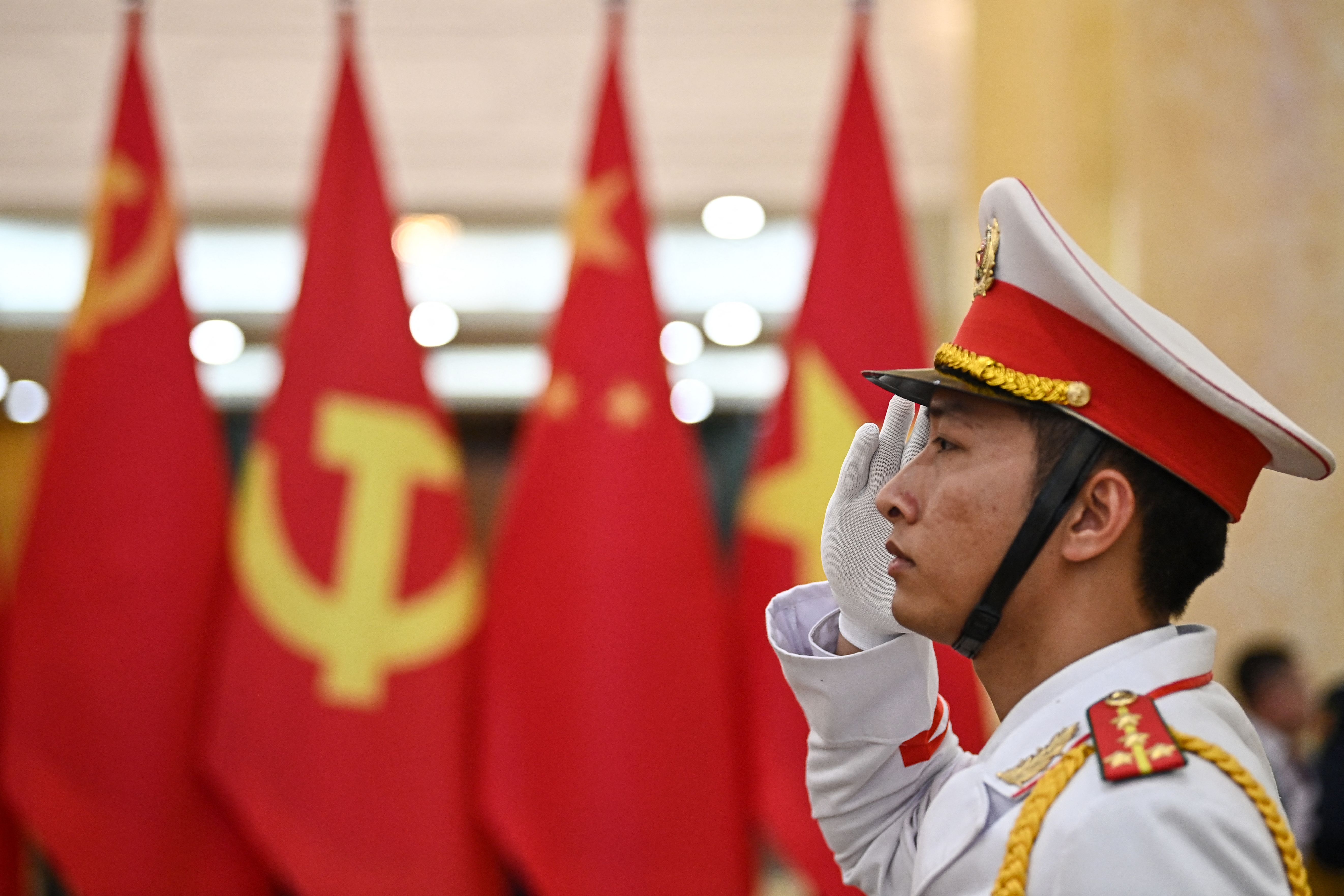
In July 2025, Vietnam and China held their first joint army drill, a modest but symbolic move reflecting Hanoi’s strategic hedging amid U.S.–China rivalry.

Nguyễn Khắc Giang

Regulation, not embargo, allows Beijing to shape how other countries and firms adapt to its terms.

Alvin Camba

The Thai-Cambodian conflict highlights the limits to China's peacemaker ambition and the significance of this role on Southeast Asia’s balance of power.

Pongphisoot (Paul) Busbarat