

In The Media
Michele Dunne, Robert Kagan
{
  "authors": [
    "Robert Kagan"
  ],
  "type": "legacyinthemedia",
  "centerAffiliationAll": "",
  "centers": [
    "Carnegie Endowment for International Peace"
  ],
  "collections": [],
  "englishNewsletterAll": "",
  "nonEnglishNewsletterAll": "",
  "primaryCenter": "Carnegie Endowment for International Peace",
  "programAffiliation": "",
  "programs": [],
  "projects": [],
  "regions": [
    "North America",
    "United States"
  ],
  "topics": [
    "Foreign Policy"
  ]
}
Source: Getty
In addition to being a turning point for American society, Barack Obama’s election as president also brings the country great opportunity on the global stage. Joining three other historians to discuss the recent election, Robert Kagan highlights Obama’s popularity abroad and expresses hope that the president-elect can use this to his advantage in the foreign policy realm.
Barack Obama’s election as president marks a turning point for the United States, not only domestically but also internationally. Joining three other historians to discuss the recent election, Robert Kagan notes that the racial divide has long been “the great stain in American history.” Our country has now taken a crucial step toward overcoming that divide, a step which would be unlikely in most other countries, even those which admire Obama.
Obama’s widespread popularity abroad also brings the United States great opportunity on the global stage. Obama appears poised to become the world’s most popular leader, a level of esteem that no U.S. president has enjoyed since Woodrow Wilson. As Wilson did, Obama realizes that America can be a force for good in the world, and must seize the chance to leverage his popularity in the foreign policy realm. The nation and the world must be reasonable in their expectations for the president-elect, as he will face a daunting array of challenges, but this in nonetheless an extraordinary opportunity for the United States to provide strong leadership on the global stage.
Click here to listen to the full interview.
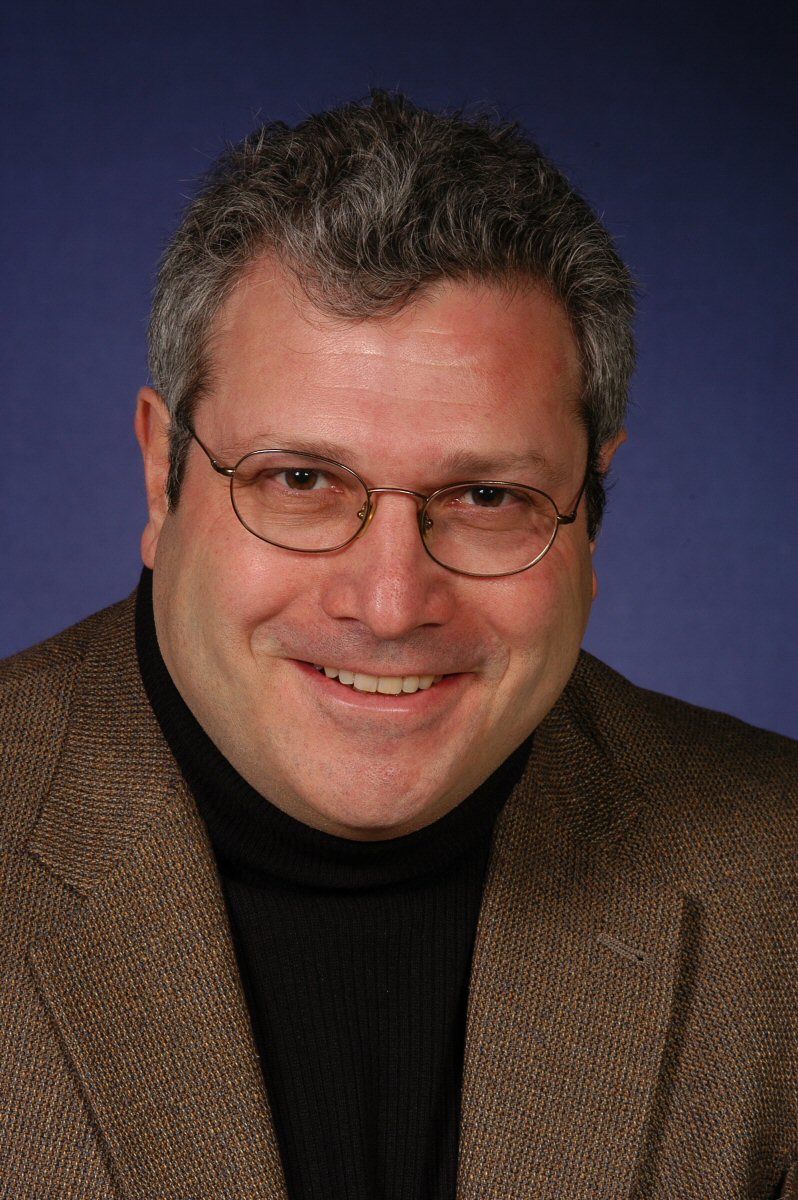
Former Senior Associate
Kagan, author of the recent book, The Return of History and the End of Dreams (Knopf 2008), writes a monthly column on world affairs for the Washington Post and is a contributing editor at both the Weekly Standard and the New Republic.
Recent Work

Michele Dunne, Robert Kagan
Robert Kagan, Michele Dunne
Carnegie does not take institutional positions on public policy issues; the views represented herein are those of the author(s) and do not necessarily reflect the views of Carnegie, its staff, or its trustees.

The nuclear relationship between China and the United States is increasingly shaped by widening perception gaps rather than deliberate strategic design.

Tong Zhao

But their "principal to principal" model will only be as effective as the political strength of each leader back home.

Damien Ma

U.S. unpredictability has allowed China to capitalize on its positioning as the “responsible great power”. Paradoxically, the more China wins the perception game, the more likely expectations will rise for Beijing to deliver not just words but to demonstrate with its deeds.

Chong Ja Ian

Hanoi and Beijing have long treated each other as distant cousins rather than comrades in arms. That might be changing as both sides draw closer to hedge against uncertainty and America’s erratic behavior.

Nguyễn Khắc Giang

Across Asia, China is better positioned to withstand energy shocks from the fallout of the Iran war. Its abundant coal capacity can ensure stability in the near term. Yet at the same time, the country’s energy transition away from coal will make it even less vulnerable during the next shock.
Damien Ma