

Paper
The nuclear relationship between China and the United States is increasingly shaped by widening perception gaps rather than deliberate strategic design.
Tong Zhao
{
  "authors": [
    "Stephen I. Schwartz",
    "Deepti Choubey"
  ],
  "type": "other",
  "centerAffiliationAll": "",
  "centers": [
    "Carnegie Endowment for International Peace"
  ],
  "collections": [],
  "englishNewsletterAll": "",
  "nonEnglishNewsletterAll": "",
  "primaryCenter": "Carnegie Endowment for International Peace",
  "programAffiliation": "",
  "programs": [],
  "projects": [],
  "regions": [
    "North America",
    "United States"
  ],
  "topics": [
    "Security",
    "Military",
    "Nuclear Policy"
  ]
}
REQUIRED IMAGE
Total appropriations for nuclear weapons and related programs in fiscal year 2008 were at least $52.4 billion. Of which, only $5.2 billion is spent on preventing the spread of nuclear weapons, weapons materials, technology, and expertise.
What is nuclear security spending?
Nuclear security spending is how much the United States spends to operate, maintain, and upgrade its nuclear arsenal; defend against nuclear attack; prevent the further spread of nuclear weapons, weapons materials, technology, and expertise; manage and clean up the radioactive and toxic waste left over from decades of nuclear weapons production and compensate victims of past production and testing activities; and prepare for the consequences of a nuclear or radiological attack.
How much does the United States spend on nuclear security?
Total appropriations for nuclear weapons and related programs in fiscal year 2008 were at least $52.4 billion. That’s not counting related costs for classified programs, air defense, antisubmarine warfare, and most nuclear weapons-related intelligence programs. Of which, only $5.2 billion is spent on preventing the spread of nuclear weapons, weapons materials, technology, and expertise.

How is the $52.4 billion spent?
Which agencies receive nuclear security dollars and how much?

Stephen I. Schwartz

Former Deputy Director, Nuclear Policy Program
Choubey was previously the director of the Peace and Security Initiative for the Ploughshares Fund. She also worked for Ambassador Nancy Soderberg in the New York office of the International Crisis Group.
Carnegie does not take institutional positions on public policy issues; the views represented herein are those of the author(s) and do not necessarily reflect the views of Carnegie, its staff, or its trustees.

The nuclear relationship between China and the United States is increasingly shaped by widening perception gaps rather than deliberate strategic design.

Tong Zhao

But their "principal to principal" model will only be as effective as the political strength of each leader back home.

Damien Ma

U.S. unpredictability has allowed China to capitalize on its positioning as the “responsible great power”. Paradoxically, the more China wins the perception game, the more likely expectations will rise for Beijing to deliver not just words but to demonstrate with its deeds.

Chong Ja Ian

For Malaysia, the conjunction that works is “and” not “or” when it comes to the United States and China.

Elina Noor
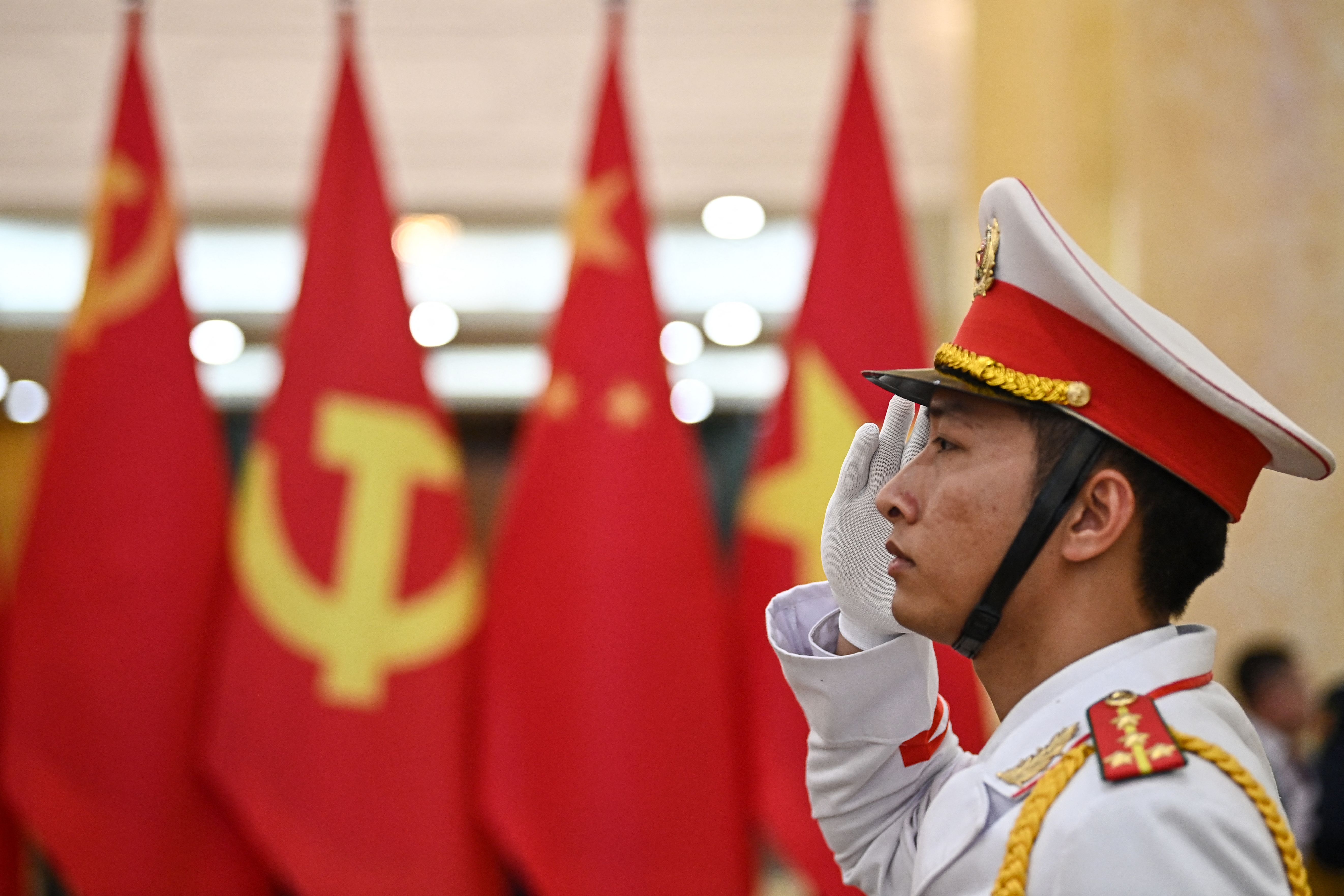
In July 2025, Vietnam and China held their first joint army drill, a modest but symbolic move reflecting Hanoi’s strategic hedging amid U.S.–China rivalry.

Nguyễn Khắc Giang