

Commentary
For Malaysia, the conjunction that works is “and” not “or” when it comes to the United States and China.
Elina Noor
{
  "authors": [],
  "type": "pressRelease",
  "centerAffiliationAll": "dc",
  "centers": [
    "Carnegie Endowment for International Peace"
  ],
  "collections": [],
  "englishNewsletterAll": "asia",
  "nonEnglishNewsletterAll": "",
  "primaryCenter": "Carnegie Endowment for International Peace",
  "programAffiliation": "AP",
  "programs": [
    "Asia"
  ],
  "projects": [],
  "regions": [
    "North America",
    "United States",
    "East Asia",
    "China",
    "Western Europe"
  ],
  "topics": [
    "Economy",
    "Trade"
  ]
}
REQUIRED IMAGE
By failing to recognize the global implications of domestic recovery efforts, U.S. policy makers are risking increased trade friction and a longer downturn. The United States should coordinate better with China and the EU to keep trade open while the global economy adjusts to significantly reduced U.S. demand.
BEIJING, May 5—By failing to recognize the global implications of domestic recovery efforts, U.S. policy makers are risking increased trade friction and a longer downturn. The United States should coordinate better with China and the EU to keep trade open while the global economy adjusts to significantly reduced U.S. demand, explains a new policy brief from Michael Pettis.
The April G20 meeting sidestepped the key issues dividing the United States, China, and the EU, who disagree fundamentally on the root causes of the crisis. Until the major powers reach consensus about the roots of the imbalance and coordinate policy to promote recovery, the world economy is likely to get worse before it gets better.
Key points for U.S. policy makers:
Key points for Chinese policy makers:
Pettis concludes:
“With such fundamental disagreement among China, Europe, and the United States on the causes of the crisis, and with conflicting domestic policy needs, it is not surprising that the outcome of the G20 meeting was little more than a repeat of the 1933 London Conference. It is hard to see how the major powers can agree on anything substantial, what with the United States looking to craft an agreement on coordinated fiscal expansion but focusing so intently on domestic issues that it ignores the global context; with Europe reluctant to spend and far more concerned about re-regulating the global financial framework; and with China struggling to adapt its development model to a new world in which economic growth is no longer driven by out-of-control U.S. consumption.”
###
NOTES
Carnegie does not take institutional positions on public policy issues; the views represented herein are those of the author(s) and do not necessarily reflect the views of Carnegie, its staff, or its trustees.

For Malaysia, the conjunction that works is “and” not “or” when it comes to the United States and China.

Elina Noor

ASEAN needs to determine how to balance perpetuating the benefits of technology cooperation with China while mitigating the risks of getting caught in the crosshairs of U.S.-China gamesmanship.
Elina Noor
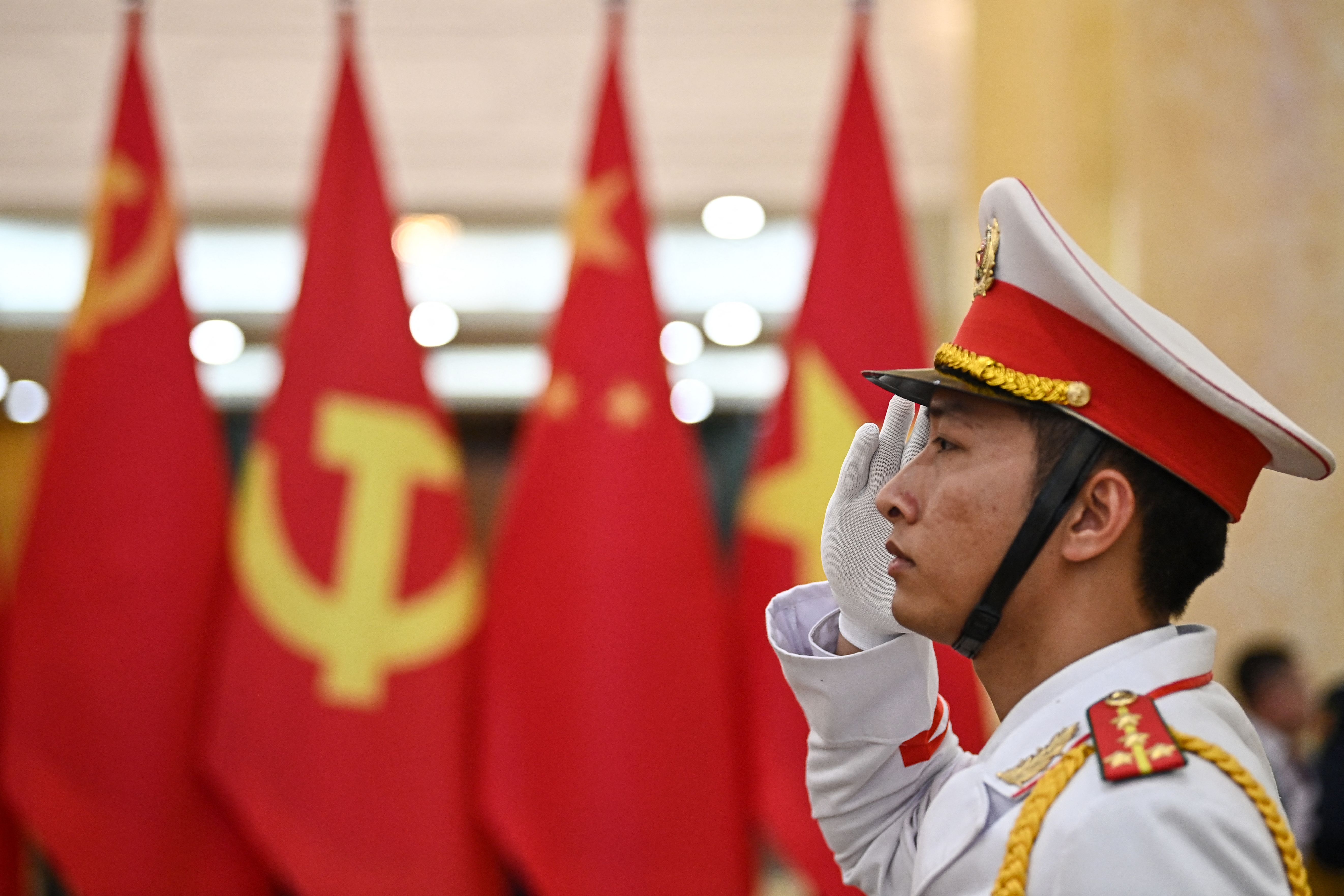
In July 2025, Vietnam and China held their first joint army drill, a modest but symbolic move reflecting Hanoi’s strategic hedging amid U.S.–China rivalry.

Nguyễn Khắc Giang

Regulation, not embargo, allows Beijing to shape how other countries and firms adapt to its terms.

Alvin Camba

Rather than climate ambitions, compatibility with investment and exports is why China supports both green and high-emission technologies.

Mathias Larsen