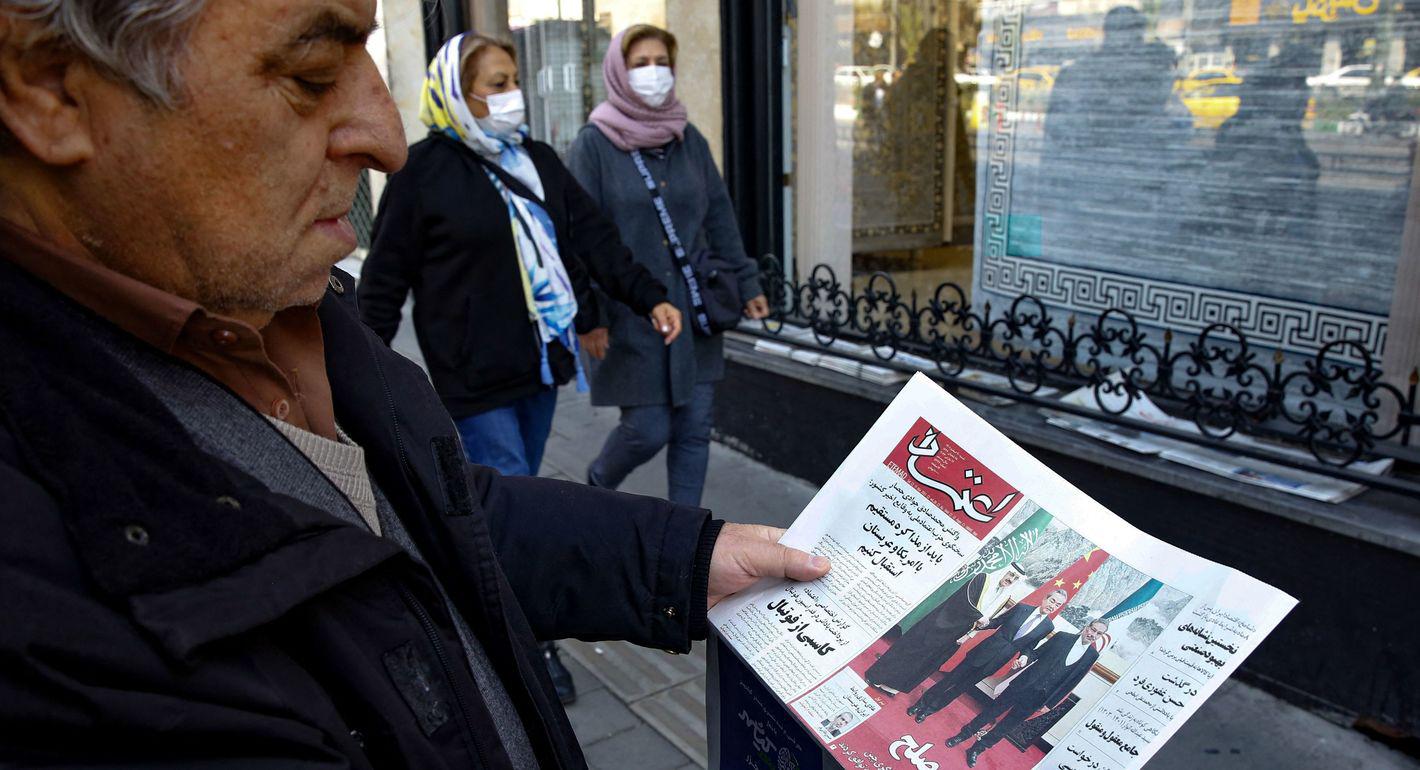
Transactional relationships are stable but can be shallow.
- +1
Paul Haenle, Maha Yahya, Benjamin Ho, …
{
"authors": [],
"type": "pressRelease",
"centerAffiliationAll": "dc",
"centers": [
"Carnegie Endowment for International Peace"
],
"collections": [],
"englishNewsletterAll": "menaTransitions",
"nonEnglishNewsletterAll": "",
"primaryCenter": "Carnegie Endowment for International Peace",
"programAffiliation": "MEP",
"programs": [
"Middle East"
],
"projects": [],
"regions": [
"Kuwait"
],
"topics": [
"Political Reform",
"Democracy"
]
}REQUIRED IMAGE
Kuwait must enact further electoral and constitutional reform to break the country’s political paralysis. Continued gridlock could lead the emir to override the constitution and dissolve the parliament, dealing a major setback to democracy in Kuwait and the region.
WASHINGTON, June 25—Kuwait must enact further electoral and constitutional reform to break the country’s longstanding political paralysis. Continued gridlock could lead the emir to override the constitution and dissolve the parliament, dealing a major setback to democracy in Kuwait and the region, concludes a new commentary by Nathan J. Brown.
The contentious stalemate between Kuwait’s ruling family and parliament has called into question the sustainability of its democracy. There is a growing sense that an unconstitutional dissolution of parliament is imminent—the emir has moved beyond subtle hints to direct warnings.
Key Conclusions:
Brown concludes:
“In earlier decades, Kuwait served as a positive model for some Gulf states. Kuwait no longer seems like such a positive model—in fact, the political stalemate in the country now serves as a negative model. A revival of Kuwaiti democracy will not lead to a ‘Gulf spring’ much less an Arab one. But it will prevent elections and parliaments from becoming symbols of stagnation and paralysis.”
###
NOTES
Carnegie does not take institutional positions on public policy issues; the views represented herein are those of the author(s) and do not necessarily reflect the views of Carnegie, its staff, or its trustees.
Transactional relationships are stable but can be shallow.
Paul Haenle, Maha Yahya, Benjamin Ho, …
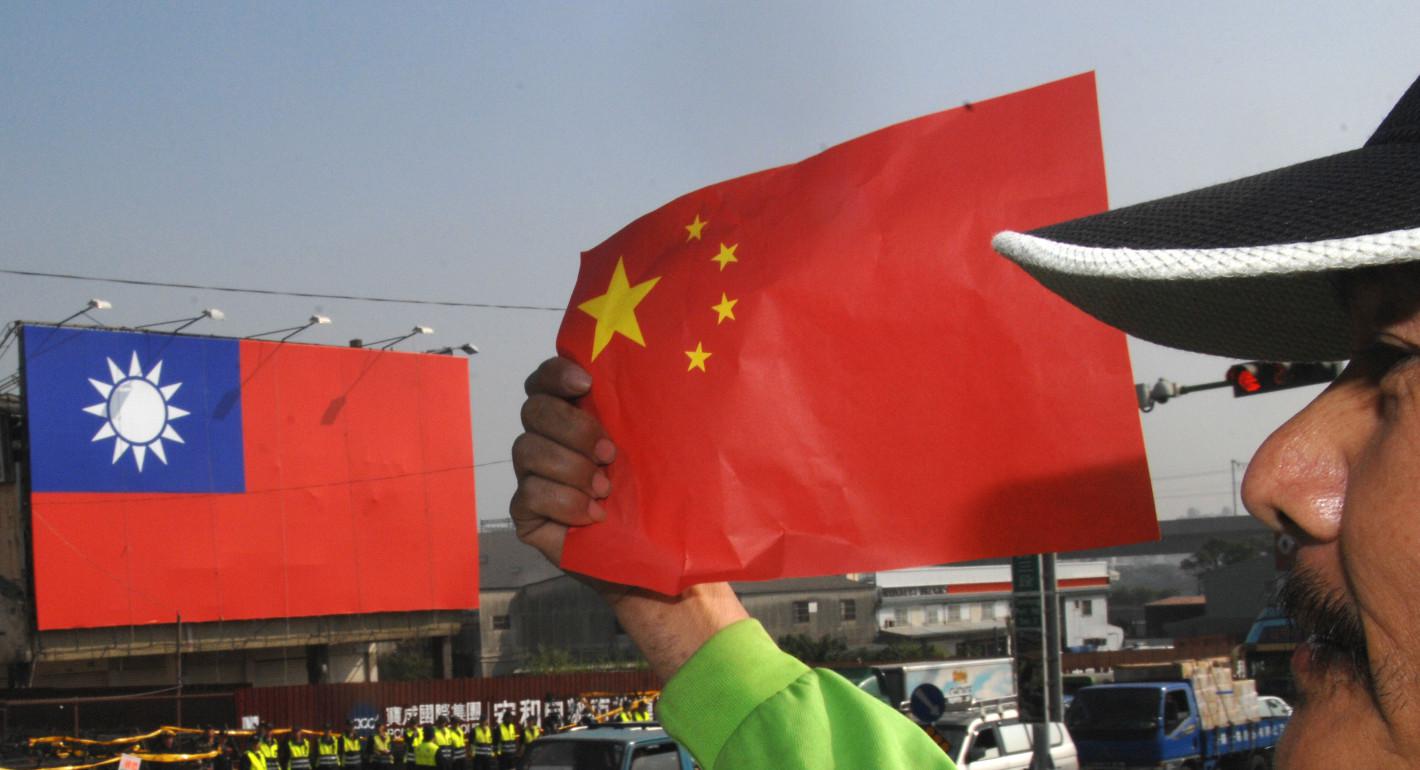
Beijing says that over 180 countries accept its “one China principle” regarding Taiwan, but the reality is more complicated.
Chong Ja Ian
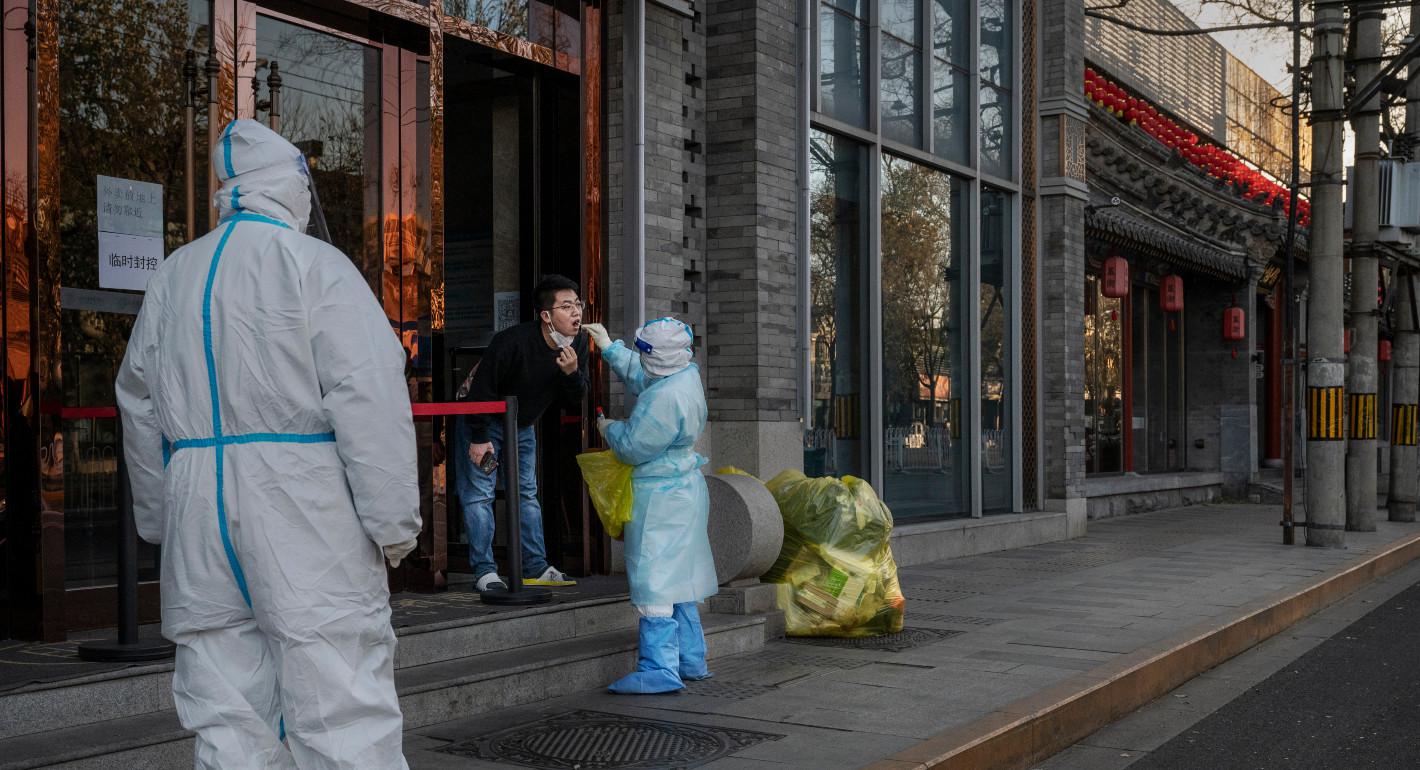
Beijing must choose between preserving its pandemic narrative or facing more unrest.
Paul Haenle
It’s about managing oil prices, bread prices, and strategic partnerships.
Amr Hamzawy, Karim Sadjadpour, Aaron David Miller, …
Three months after the Biden-Xi summit, the two sides’ divergent framings of the bilateral relationship are hindering progress.
Paul Haenle, Sam Bresnick