

• Commentary
  • Research
  • Experts
  • Events
Carnegie China logoCarnegie lettermark logo
{
  "authors": [
    "Uri Dadush",
    "Lauren Falcão"
  ],
  "type": "other",
  "centerAffiliationAll": "",
  "centers": [
    "Carnegie Endowment for International Peace"
  ],
  "collections": [],
  "englishNewsletterAll": "",
  "nonEnglishNewsletterAll": "",
  "primaryCenter": "Carnegie Endowment for International Peace",
  "programAffiliation": "",
  "programs": [],
  "projects": [],
  "regions": [
    "Bahrain",
    "Kuwait",
    "Qatar",
    "Saudi Arabia",
    "United Arab Emirates",
    "North America"
  ],
  "topics": [
    "Political Reform",
    "Economy",
    "Trade"
  ]
}

Source: Getty

Other

Regional Arrangements in the Arabian Gulf

The economic success of Gulf regional integration depends on increased cooperation within the service sector and improved administrative capacity in GCC countries.

Link Copied
By Uri Dadush and Lauren Falcão
Published on Aug 10, 2009

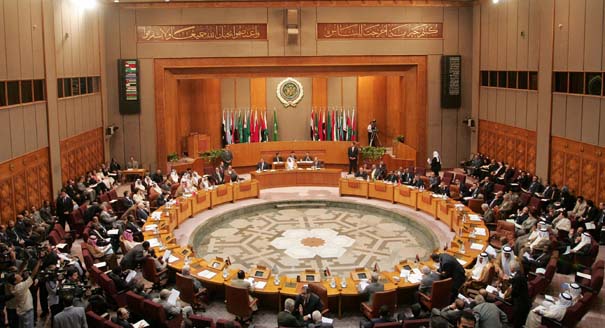
The Gulf Cooperation Council (GCC) represents one of the oldest and most ambitious regional trading agreements. Its member states—Saudi Arabia, Bahrain, Kuwait, Oman, Qatar, and the United Arab Emirates—account for some 40 percent of world oil reserves.

The Gulf Cooperation Council's (GCC) ability to fulfill its role as driver of economic growth in the region would be enhanced by the following action points:

  • To facilitate greater trade in goods, the GCC must work to improve logistics and reduce non-tariff barriers to trade.
     
  • The remaining big gains to be had from Gulf regional integration are likely to stem not from trade in goods, but from increased integration of the service sector.
     
  • Measures for better integration of services are largely embedded in the 2001 Economic Agreement, but they must be better executed.
     
  • The weak administrative capacities of the GCC countries—as well as the political obstacles facing the GCC as an institution—add further complexity to an already extensive and ambitious agenda of economic reform. Improving administrative capacity is key.

About the Authors

Uri Dadush

Former Senior Associate, International Economics Program

Dadush was a senior associate at the Carnegie Endowment for International Peace. He focuses on trends in the global economy and is currently tracking developments in the eurozone crisis.

Lauren Falcão

Former Junior Fellow, Trade, Equity, and Development Program

Authors

Uri Dadush
Former Senior Associate, International Economics Program
Uri Dadush
Lauren Falcão
Former Junior Fellow, Trade, Equity, and Development Program
Political ReformEconomyTradeBahrainKuwaitQatarSaudi ArabiaUnited Arab EmiratesNorth America

Carnegie does not take institutional positions on public policy issues; the views represented herein are those of the author(s) and do not necessarily reflect the views of Carnegie, its staff, or its trustees.

More Work from Carnegie China

  • Commentary
    Today’s Rare Earths Conflict Echoes the 1973 Oil Crisis — But It’s Not the Same

    Regulation, not embargo, allows Beijing to shape how other countries and firms adapt to its terms.

      Alvin Camba

  • Commentary
    How China’s Growth Model Determines Its Climate Performance

    Rather than climate ambitions, compatibility with investment and exports is why China supports both green and high-emission technologies.

      Mathias Larsen

  • Overproduction in China
    Commentary
    What’s New about Involution?

    “Involution” is a new word for an old problem, and without a very different set of policies to rein it in, it is a problem that is likely to persist.

      Michael Pettis

  • Commentary
    The Chinese Investment Riddle: What Cities Reveal

    While China's investment story seems contradictory from the outside, the real answers to Beijing's high-quality growth ambitions are hiding in plain sight across the nation's cities.

      Yuhan Zhang

  • Commentary
    Using China’s Central Government Balance Sheet to “Clean up” Local Government Debt Is a Bad Idea

    China's stimulus addiction cannot go on forever. Beijing still has policy space to clean up the country's massive debt issue, but time is running short.

      Michael Pettis

Get more news and analysis from
Carnegie China
Carnegie China logo, white
  • Research
  • About
  • Experts
  • Events
  • Contact
  • Careers
  • Privacy
  • For Media
Get more news and analysis from
Carnegie China
© 2026 Carnegie Endowment for International Peace. All rights reserved.