

Commentary
Faced with an increase in strategic maneuvering by Moscow and Pyongyang, Beijing will not sit idly by and allow Putin and Kim to shape the security environment on its behalf.
Tong Zhao
{
  "authors": [],
  "type": "pressRelease",
  "centerAffiliationAll": "",
  "centers": [
    "Carnegie Endowment for International Peace"
  ],
  "collections": [],
  "englishNewsletterAll": "",
  "nonEnglishNewsletterAll": "",
  "primaryCenter": "Carnegie Endowment for International Peace",
  "programAffiliation": "",
  "programs": [],
  "projects": [],
  "regions": [],
  "topics": [
    "Nuclear Policy"
  ]
}
REQUIRED IMAGE
Representing 40 non-government organizations at today’s UN conference, Jessica Mathews, president of the Carnegie Endowment, urged key governments to ratify the Comprehensive Nuclear Test Ban Treaty.
WASHINGTON, Sept 25—Representing 40 non-government organizations at today’s UN conference, Jessica Mathews, president of the Carnegie Endowment, urged key governments to ratify the Comprehensive Nuclear Test Ban Treaty.
The NGO statement, on behalf of a diverse set of nuclear nonproliferation and disarmament leaders, former public officials, and diplomats, said:
“CTBT entry into force is within reach. The next two years may represent the best opportunity to secure the future of this long-awaited and much-needed treaty. We strongly urge that like-minded pro-CTBT states work together to develop and execute a common diplomatic strategy to persuade the remaining states to sign and/or ratify the treaty before the next [CTBT] Conference two years from now.”
Speaking on the importance of the Treaty, Mathews said:
“Entry of the CTBT into force is vital and it is urgent. Nuclear proliferation is the biggest security threat of the 21st century and entry into force is an absolute prerequisite to the steps that have to be taken to plug the dangerous holes in the nonproliferation regime.”
To date, 181 states have signed the Treaty (including China and the United States) and 150 have ratified. Nine more states including—China, the DPRK, Egypt, India, Indonesia, Israel, Iran, Pakistan, and the United States—must ratify before the CTBT can formally enter into force.
###
Notes:
Carnegie does not take institutional positions on public policy issues; the views represented herein are those of the author(s) and do not necessarily reflect the views of Carnegie, its staff, or its trustees.
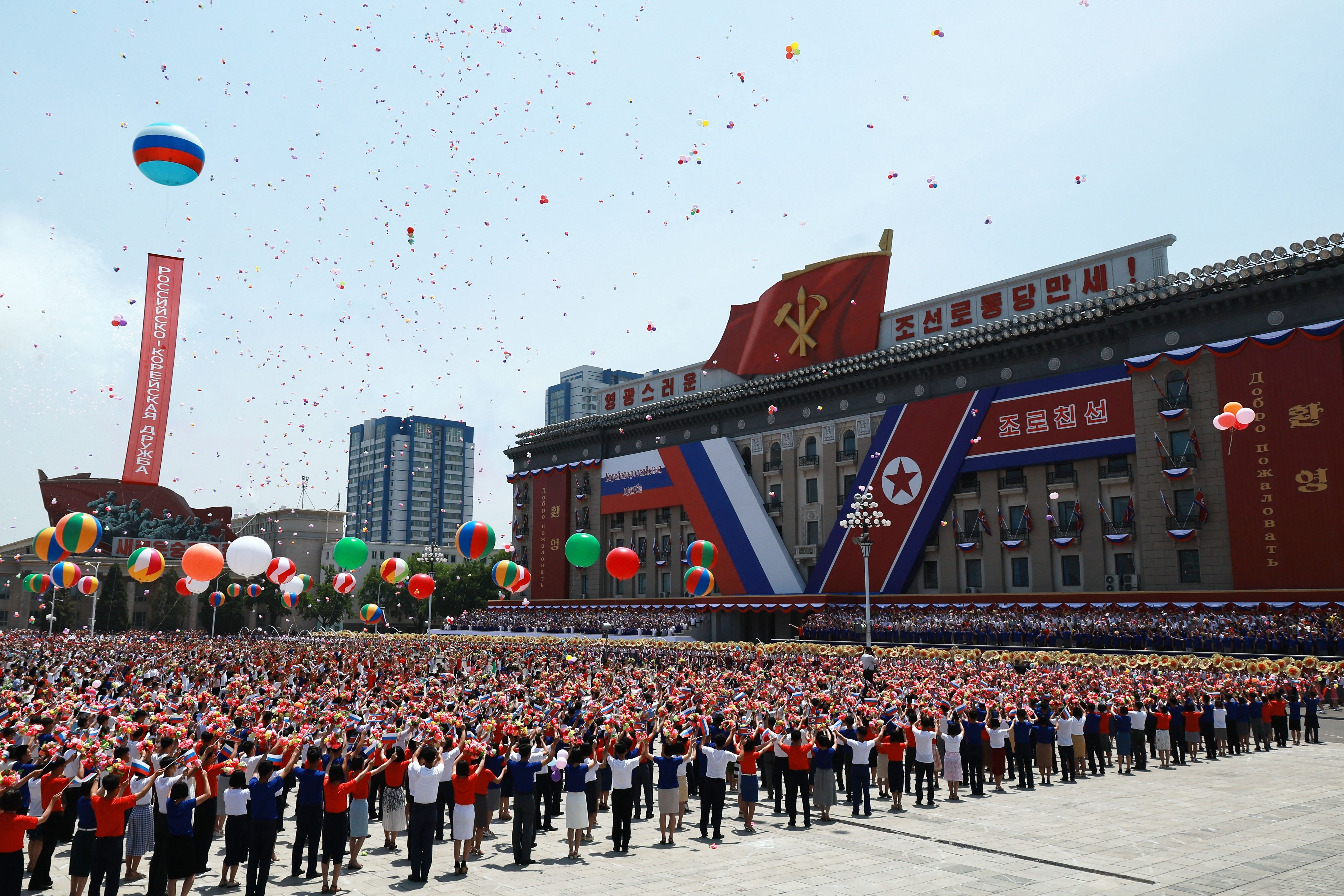
Faced with an increase in strategic maneuvering by Moscow and Pyongyang, Beijing will not sit idly by and allow Putin and Kim to shape the security environment on its behalf.

Tong Zhao
China views U.S. missile defense as posing a greater potential threat to China’s nuclear deterrent than other U.S. military capabilities.
Tong Zhao, Dmitry Stefanovich
There are certainly other issues among other P5 countries, but the U.S.-China competition is so by far the most consequential great power rivalry in the international system, and it has very far-reaching geopolitical implications at and beyond the Pacific region.
Tong Zhao

Satellite data has revealed the construction of new nuclear missile silos in Gansu and Xinjiang in western China. How U.S. and Chinese experts interpret the buildup and the motivations behind it could greatly reshape their security relationship.
Tong Zhao
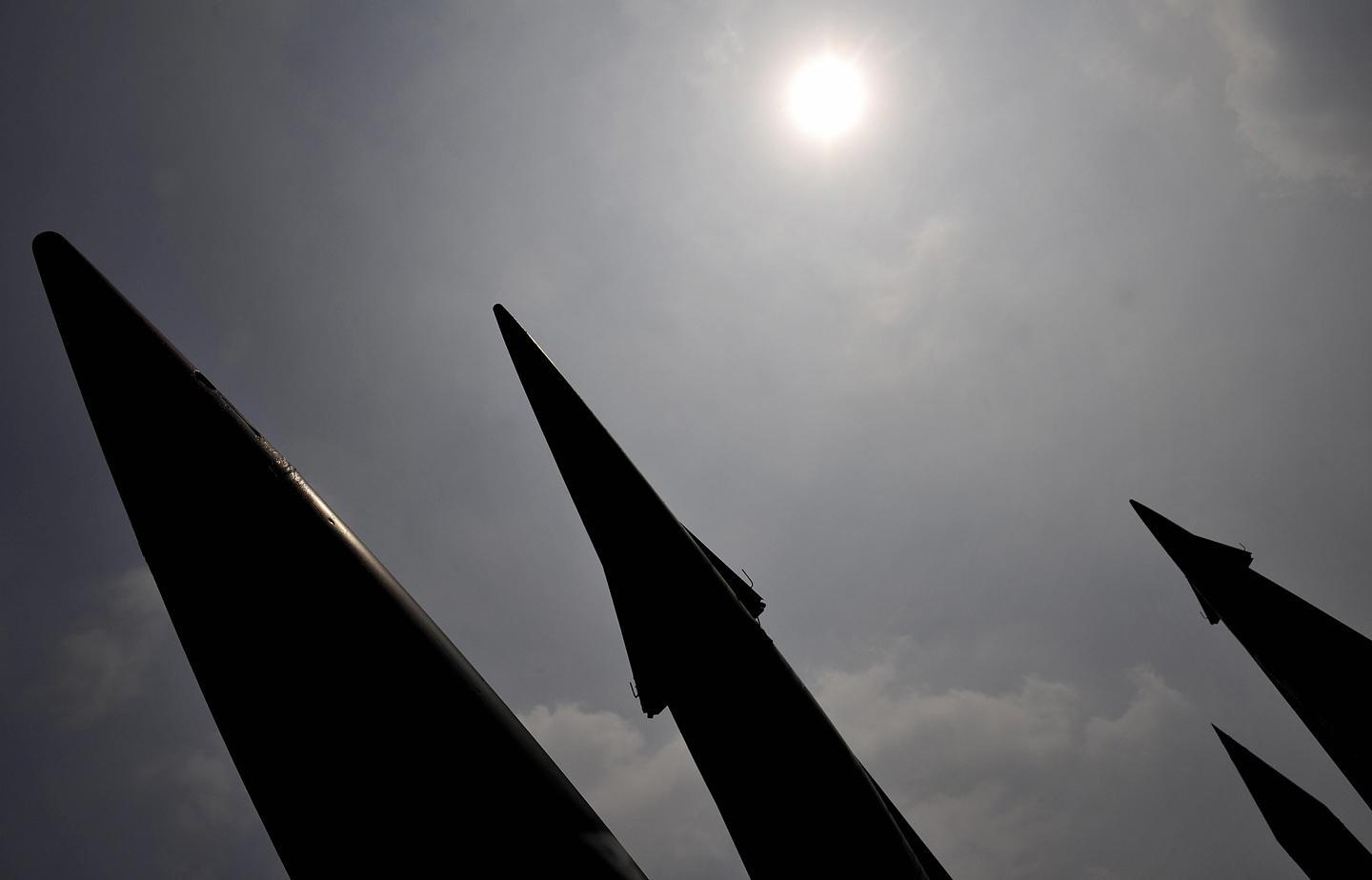
There are three guiding principles that can help make future arms control dialogues more successful.

Andrey Baklitskiy, Alexandra Bell, Tong Zhao