

Commentary
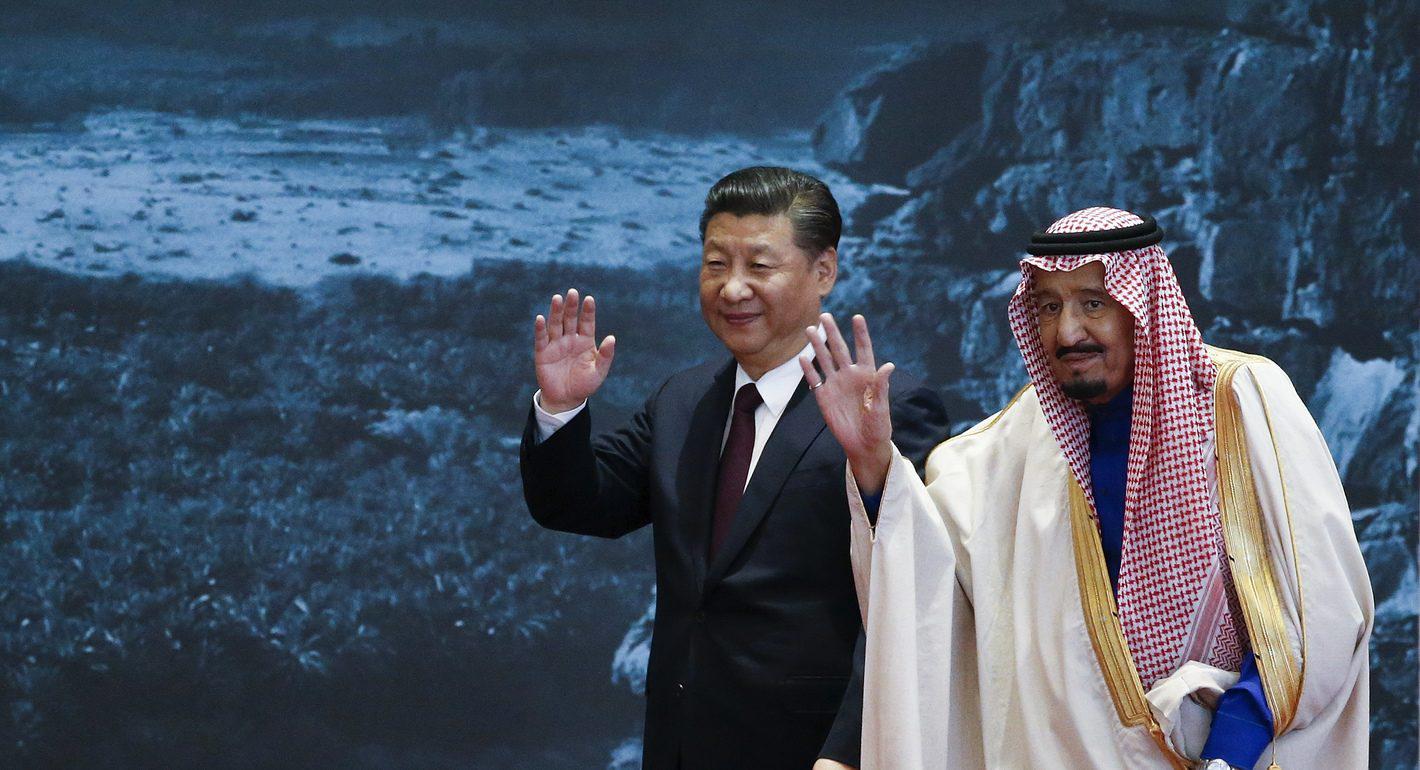
The advantage that China has over other global powers, especially America, is that its foreign policy is closely aligned with those of many of the Middle Eastern countries.
Jin Liangxiang, Maha Yahya, Hesham Alghannam
{
  "authors": [
    "Henri J. Barkey",
    "Morton Abramowitz"
  ],
  "type": "legacyinthemedia",
  "centerAffiliationAll": "dc",
  "centers": [
    "Carnegie Endowment for International Peace"
  ],
  "collections": [],
  "englishNewsletterAll": "menaTransitions",
  "nonEnglishNewsletterAll": "",
  "primaryCenter": "Carnegie Endowment for International Peace",
  "programAffiliation": "MEP",
  "programs": [
    "Middle East"
  ],
  "projects": [],
  "regions": [
    "Middle East",
    "Türkiye"
  ],
  "topics": [
    "Political Reform"
  ]
}
Source: Getty
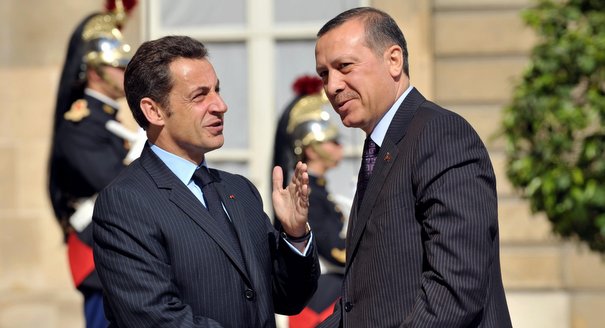
Turkey aspires to be a global power, but it has yet to become as great a regional power as its government declares it to be. Can the ruling party achieve its goals, or will it be held back by its Islamist past and the conservative inclinations of its core constituents?
Source: Foreign Affairs

There are two camps. The first, and largest, group, which includes center-right politicians, liberals, and the religious, fully supports the AKP. It sees the party as fighting the dead hand of the past to free Turkish politics from subjugation by the military and the judiciary. To most AKP supporters, the party is genuinely committed to instituting a much greater measure of democracy and tackling Turkey's most difficult issue: recognizing the democratic rights of its large Kurdish population. According to them, the party is serious about meeting the difficult requirements for EU accession and about launching fresh and constructive diplomatic initiatives in the Middle East, Central Asia, and the Caucasus. And they interpret the widespread claims that the AKP wants to establish a religious state as both fanciful and retrograde.

Former Visiting Scholar, Middle East Program
Barkey served as a member of the U.S. State Department Policy Planning Staff, working primarily on issues related to the Middle East, the Eastern Mediterranean, and intelligence from 1998 to 2000.
Morton Abramowitz
Carnegie does not take institutional positions on public policy issues; the views represented herein are those of the author(s) and do not necessarily reflect the views of Carnegie, its staff, or its trustees.
The advantage that China has over other global powers, especially America, is that its foreign policy is closely aligned with those of many of the Middle Eastern countries.


Jin Liangxiang, Maha Yahya, Hesham Alghannam
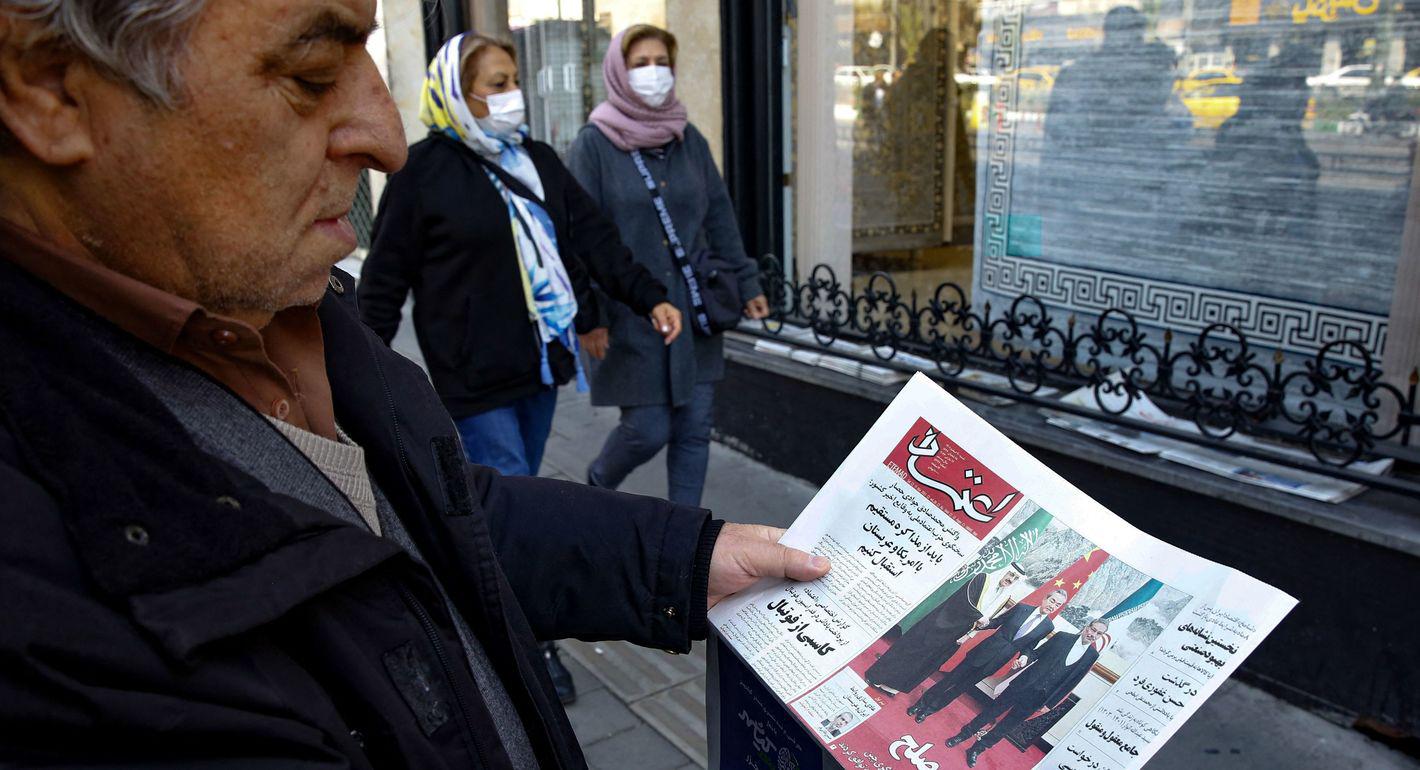
Transactional relationships are stable but can be shallow.


Paul Haenle, Maha Yahya, Benjamin Ho, …

It’s about managing oil prices, bread prices, and strategic partnerships.



Amr Hamzawy, Karim Sadjadpour, Aaron David Miller, …

The murder of George Floyd has underscored the deep inequities that have long plagued American society. In a note to the Carnegie community, Bill Burns reflects on Carnegie’s commitment to build a more just future here at home and around the world, without which peace will remain beyond our grasp.

William J. Burns
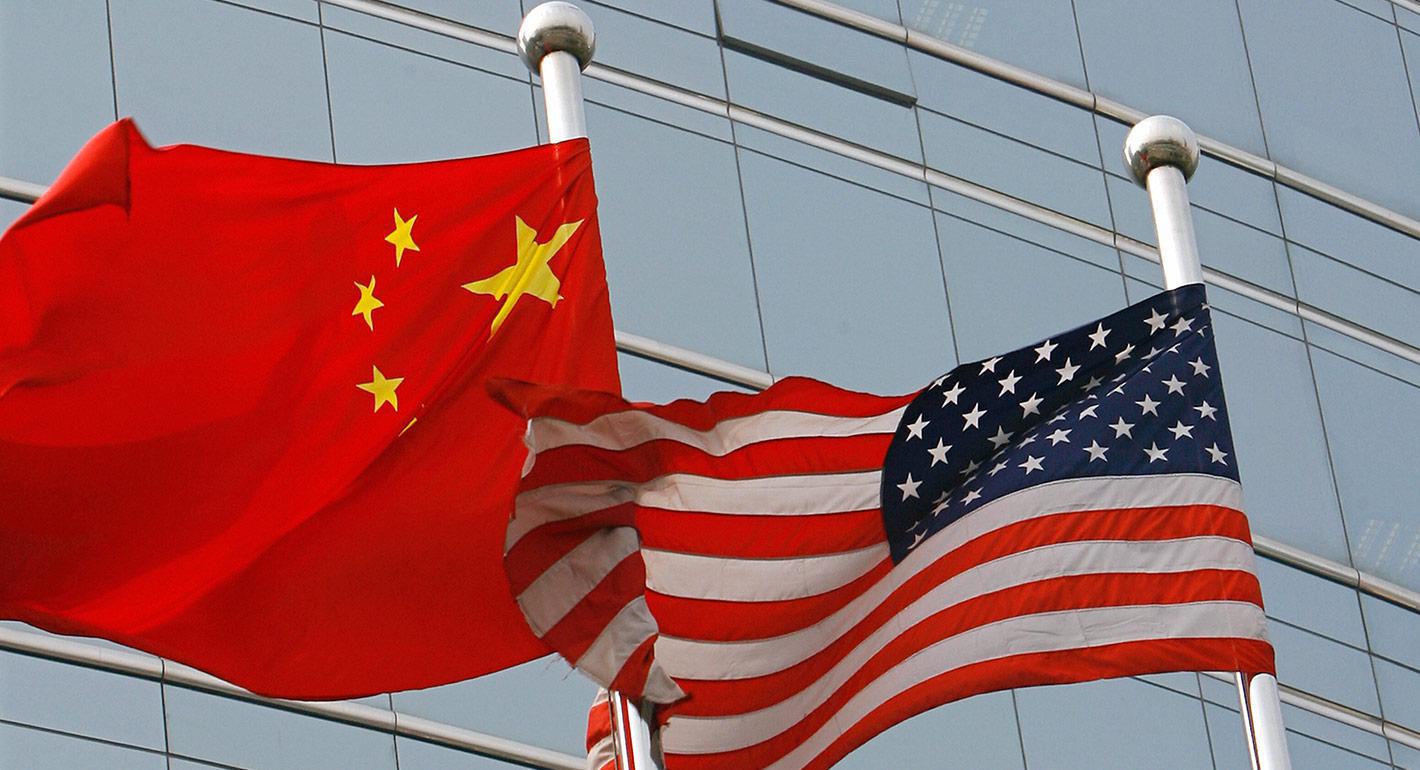
While the world hoped this pandemic might lead to more cooperation between these two great powers, American and Chinese leaders instead fell into a blame game and allowed their increasing suspicions to guide their decision-making.
Lyu Jinghua