

Article
China has showcased its engineering prowess with small modular reactor demonstration projects. But turning these technological achievements into commercial success will be a greater challenge.
Tong Zhao
{
  "authors": [],
  "type": "pressRelease",
  "centerAffiliationAll": "",
  "centers": [
    "Carnegie Endowment for International Peace"
  ],
  "collections": [],
  "englishNewsletterAll": "",
  "nonEnglishNewsletterAll": "",
  "primaryCenter": "Carnegie Endowment for International Peace",
  "programAffiliation": "",
  "programs": [],
  "projects": [],
  "regions": [
    "Southern, Eastern, and Western Africa"
  ],
  "topics": [
    "Economy",
    "Trade"
  ]
}
REQUIRED IMAGE
The implementation of a likely agreement of the Doha Round would improve Kenya’s competitive position in processed food and agriculture, but would harm manufacturing and mining. Depending on the content of negotiations, the liberalization of trade in goods would boost the country’s GDP by 0.2 percent annually, placing Kenya on the winning side of Doha. However, the benefits would be small.
WASHINGTON, Nov 4—Kenya’s economy has yet to recover from the global financial crisis and the political upheaval and social violence that followed the disputed elections at the end of 2007. A new report finds that the implementation of a likely agreement of the ongoing Doha Round of trade negotiations would improve Kenya’s competitive position in processed food and agriculture, but would harm manufacturing and mining. Depending on the content of negotiations, the liberalization of trade in goods would boost the country’s GDP by 0.2 percent annually, placing Kenya on the winning side of Doha. However, the benefits would be small, according to the report from the Carnegie Endowment, United Nations Economic Commission for Africa, United Nations Development Programme, and Kenya Institute for Policy Research and Analysis.
Key Conclusions
“The impact of the Doha Round can lead the Kenyan economy to further specialize in agriculture and processed food. And specialization in these activities can help Kenya make good use of its unskilled labor, its most abundant factor,” write the authors. “But Kenya’s long-term development cannot rest on only these two activities. Kenya must aim to build dynamic comparative advantages in activities with higher value added that can support higher standards of living. Trade can help, but trade by itself will not do the job.”
###
NOTES
Carnegie does not take institutional positions on public policy issues; the views represented herein are those of the author(s) and do not necessarily reflect the views of Carnegie, its staff, or its trustees.
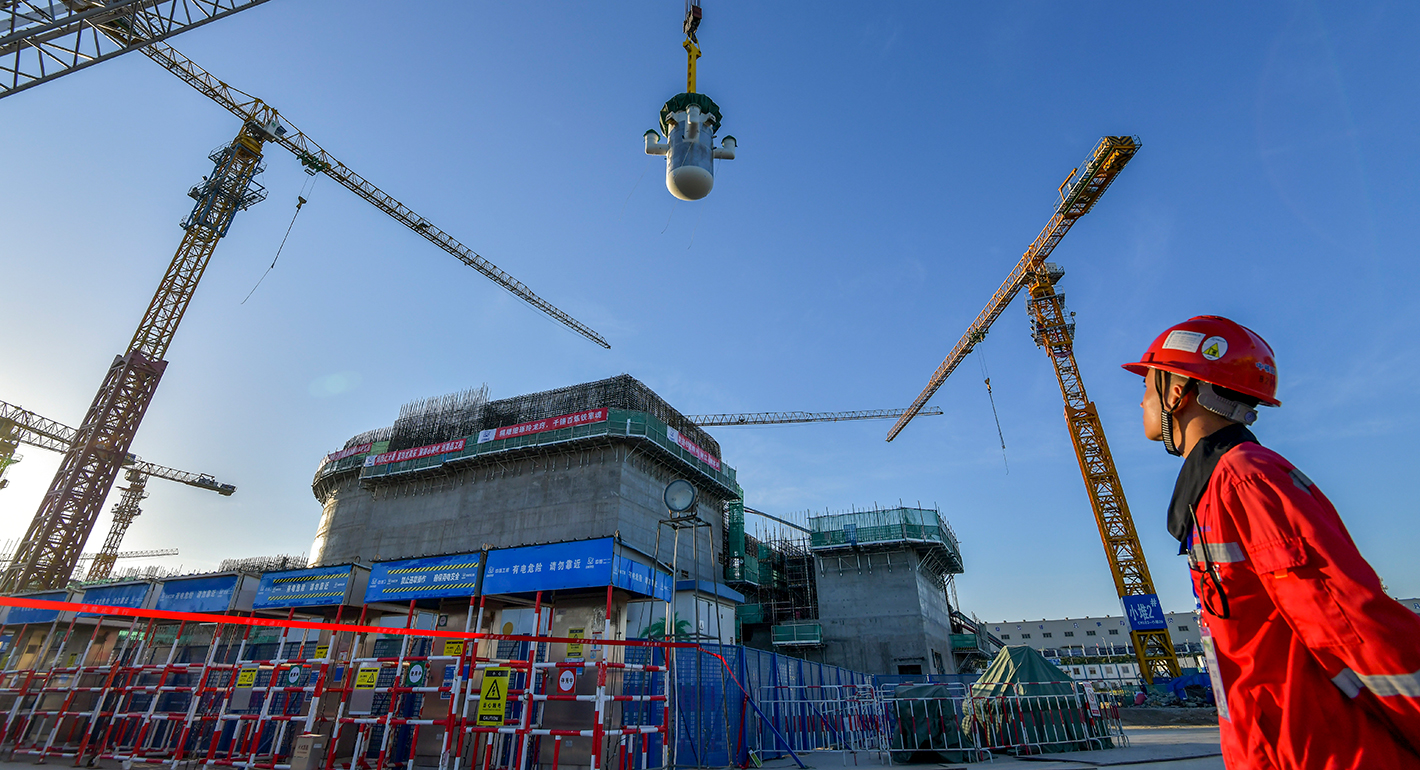
China has showcased its engineering prowess with small modular reactor demonstration projects. But turning these technological achievements into commercial success will be a greater challenge.

Tong Zhao

The Plaza Accord was not an externally imposed punishment of Japan but part of a broader restructuring that Japanese economists and policymakers themselves recognized was necessary. Its effects were undermined, however, when Tokyo responded to the resulting slowdown with policies that exacerbated investment, credit expansion, and the very imbalances the adjustment was intended to resolve.

Michael Pettis
China’s banking crisis in the 2000s was resolved by transferring the costs to households through financial repression—a decision that recapitalized the banks while exacerbating the structural imbalances that continue to shape the Chinese economy today.
Michael Pettis

In the latest Five-Year Plan, the Chinese president cements the shift to an innovation-driven economy over a consumption-driven one.

Damien Ma

Regulation, not embargo, allows Beijing to shape how other countries and firms adapt to its terms.

Alvin Camba