• Commentary
  • Research
  • Experts
  • Events
Carnegie China logoCarnegie lettermark logo
{
  "authors": [
    "Pierre Goldschmidt"
  ],
  "type": "legacyinthemedia",
  "centerAffiliationAll": "dc",
  "centers": [
    "Carnegie Endowment for International Peace"
  ],
  "collections": [],
  "englishNewsletterAll": "ctw",
  "nonEnglishNewsletterAll": "",
  "primaryCenter": "Carnegie Endowment for International Peace",
  "programAffiliation": "NPP",
  "programs": [
    "Nuclear Policy"
  ],
  "projects": [],
  "regions": [],
  "topics": [
    "Nuclear Policy",
    "Nuclear Energy"
  ]
}

Source: Getty

In The Media

Multilateral Nuclear Fuel Supply Guarantees and Spent Fuel Management: What Are the Priorities?

Improving the reliability of nuclear fuel supplies is best achieved by giving priority to fuel leasing contracts coupled with long-term generic export licenses, and last resort multilateral fuel supply arrangements.

Link Copied
By Pierre Goldschmidt
Published on Jan 1, 2010

Source: Daedalus

Multilateral Nuclear Fuel Supply Guarantees and SpIn a special issue of Daedalus on the "Global Nuclear Future," published by the American Academy of Arts & Sciences, Pierre Goldschmidt posits that further improving the reliability of fuel supply is best achieved by giving priority to fuel leasing contracts coupled with long-term generic export licenses, and last resort multilateral fuel supply arrangements. Regarding the back-end of the fuel cycle, Goldschmidt argues that developing multinational fuel-storage and geological disposal facilities will be relegated to the distant horizon due to the prevailing "Not-In-My-Backyard" syndrome. He concludes that, as long as impediments to multinational spent fuel management remain high, it is most urgent to strengthen the IAEA’s verification authority and improve the likelihood of prompt and firm UN Security Council action when a state is found to be in non-compliance with its IAEA safeguards or NPT obligations.

About the Author

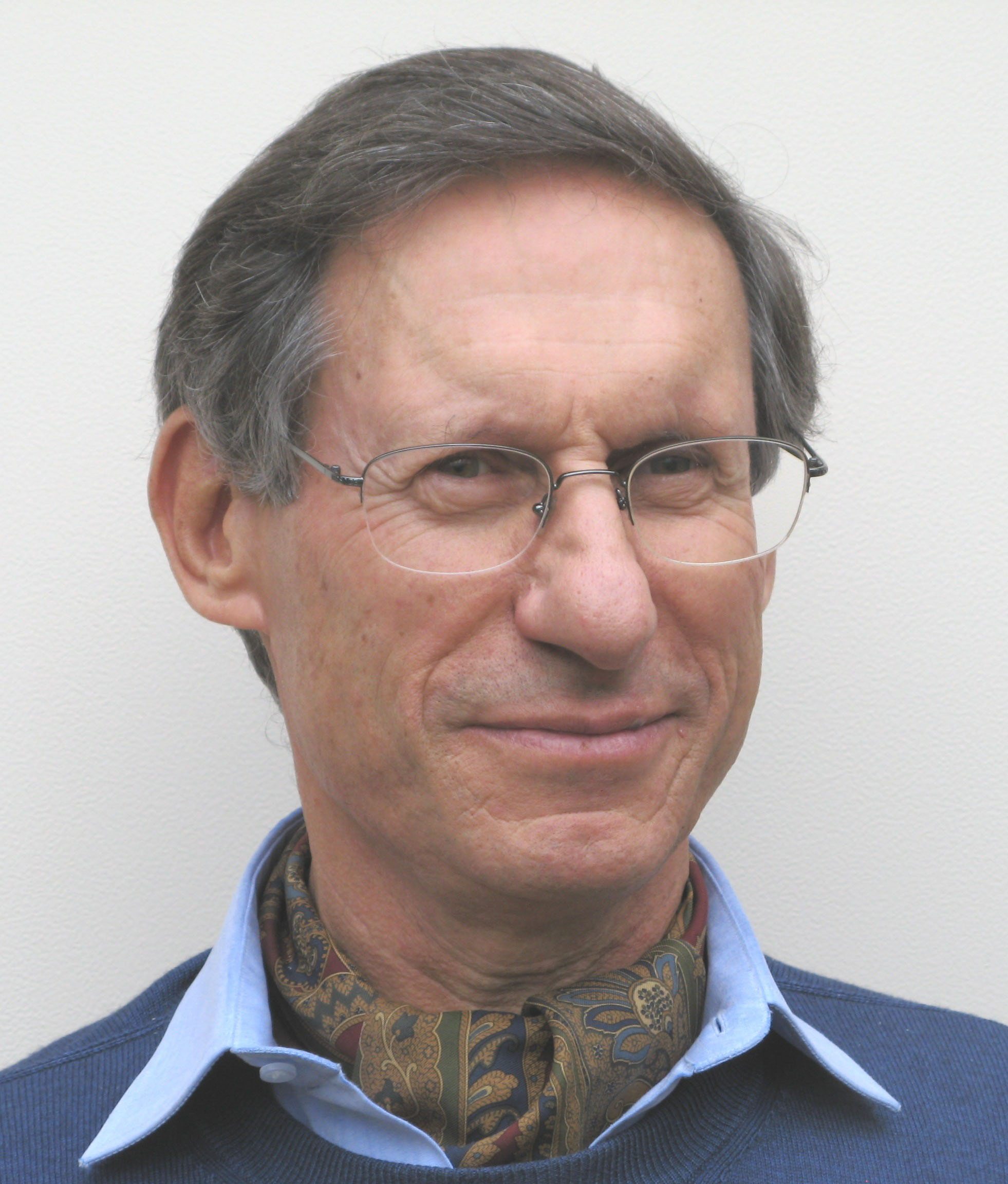
Pierre Goldschmidt

Former Nonresident Senior Associate, Nuclear Policy Program

Goldschmidt was a nonresident senior associate at the Carnegie Endowment.

    Recent Work

  • Article
    A Realistic Approach Toward a Middle East Free of WMD

      Pierre Goldschmidt

  • Article
    Serious Deficiencies Exposed by Latest IAEA Safeguards Implementation Report

      Pierre Goldschmidt

Pierre Goldschmidt
Former Nonresident Senior Associate, Nuclear Policy Program
Pierre Goldschmidt
Nuclear PolicyNuclear Energy

Carnegie does not take institutional positions on public policy issues; the views represented herein are those of the author(s) and do not necessarily reflect the views of Carnegie, its staff, or its trustees.
More Work from Carnegie China

  • Commentary
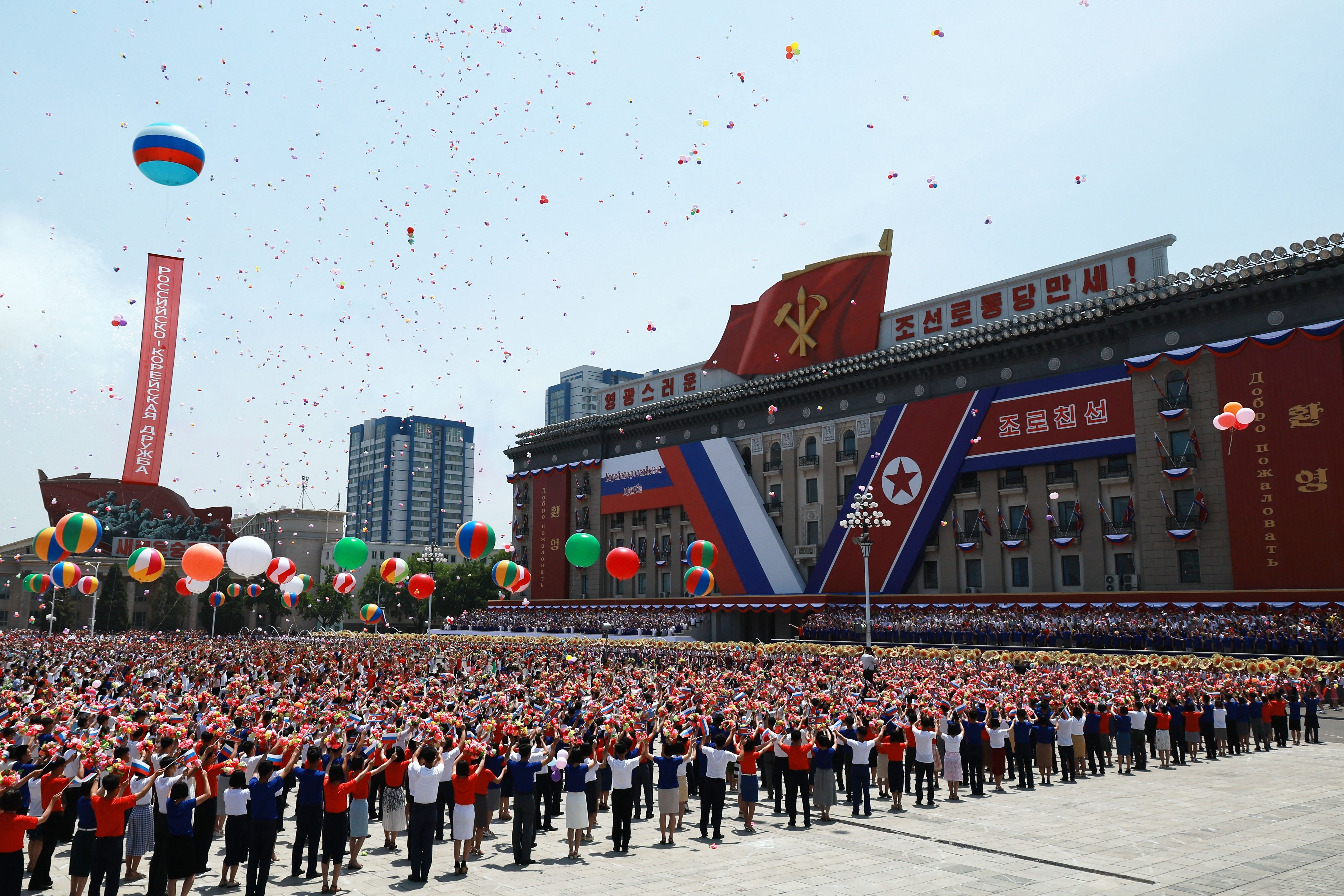
    Beyond the Putin-Kim Alliance: How Can the International Community Engage China to Contain Nuclear Risks Over the Korean Peninsula?

    Faced with an increase in strategic maneuvering by Moscow and Pyongyang, Beijing will not sit idly by and allow Putin and Kim to shape the security environment on its behalf.

      Tong Zhao

  • REQUIRED IMAGE
    Commentary
    Missile Defense and the Strategic Relationship among the United States, Russia, and China

    China views U.S. missile defense as posing a greater potential threat to China’s nuclear deterrent than other U.S. military capabilities.

      Tong Zhao, Dmitry Stefanovich

  • REQUIRED IMAGE
    Commentary
    About the P5 process, RevCon 2022, AUKUS and US-China Competition From The Chinese Side

    There are certainly other issues among other P5 countries, but the U.S.-China competition is so by far the most consequential great power rivalry in the international system, and it has very far-reaching geopolitical implications at and beyond the Pacific region.

      Tong Zhao

  • Commentary
    What’s Driving China’s Nuclear Buildup?

    Satellite data has revealed the construction of new nuclear missile silos in Gansu and Xinjiang in western China. How U.S. and Chinese experts interpret the buildup and the motivations behind it could greatly reshape their security relationship.

      Tong Zhao
  • Commentary
    To Reboot Arms Control, Start with Small Steps

    There are three guiding principles that can help make future arms control dialogues more successful.
      Andrey Baklitskiy, Alexandra Bell, Tong Zhao

Get more news and analysis from
Carnegie China
Carnegie China logo, white
Keck Seng Tower133 Cecil Street #10-01ASingapore, 069535
  • Research
  • About
  • Experts
  • Events
  • Contact
  • Careers
  • Privacy
  • For Media
Get more news and analysis from
Carnegie China
© 2026 Carnegie Endowment for International Peace. All rights reserved.