

Article
China has showcased its engineering prowess with small modular reactor demonstration projects. But turning these technological achievements into commercial success will be a greater challenge.
Tong Zhao
{
  "authors": [],
  "type": "pressRelease",
  "centerAffiliationAll": "",
  "centers": [
    "Carnegie Endowment for International Peace"
  ],
  "collections": [],
  "englishNewsletterAll": "",
  "nonEnglishNewsletterAll": "",
  "primaryCenter": "Carnegie Endowment for International Peace",
  "programAffiliation": "",
  "programs": [],
  "projects": [],
  "regions": [
    "Southern, Eastern, and Western Africa",
    "North America"
  ],
  "topics": [
    "Economy"
  ]
}
REQUIRED IMAGE
Africa’s improved economic performance over the past decade was driven by sounder macroeconomic policies, greater openness to trade and foreign investments, higher education spending, and reduced conflict, write Shimelse Ali and Uri Dadush in a new paper.
WASHINGTON—Africa’s improved economic performance over the past decade was driven by sounder macroeconomic policies, greater openness to trade and foreign investments, higher education spending, and reduced conflict, write Shimelse Ali and Uri Dadush in a new paper. Temporary factors, notably rapidly rising terms of trade, also played a vital role. To sustain its growth rate, the continent must overcome large challenges, including inadequate market institutions, low investment and savings rates, a lagging demographic transition, and a shortage of skills.
The authors outline a number of long-term opportunities—such as ties with emerging economics, a rising middle class in Africa, and growing wages in China and elsewhere—which can help Africa move up the development ladder and compete successfully with other poor but increasingly dynamic developing regions.
Key policy recommendations:
“Africa’s continued—and accelerated—growth over the long term is by no means guaranteed,” the authors conclude. “But if policy makers can build on their successes so far and tackle tougher second-generation reforms, they can help Africa become more competitive and establish the conditions for a durable breakthrough.”
NOTES
Click here to read the full paper online
Uri Dadush is senior associate and director in Carnegie's International Economics Program. His work currently focuses on trends in the global economy, the global financial crisis, and the euro crisis. Dadush previously served as the World Bank’s director of international trade and director of economic policy. He has also served concurrently as the director of the Bank’s world economy group. Prior to joining the World Bank, he was president and CEO of the Economist Intelligence Unit and Business International.
Shimelse Ali is an economist in Carnegie’s International Economics Program. He holds an M.Sc. in economics from the Norwegian University of Science.
The Carnegie International Economics Program monitors and analyzes short- and long-term trends in the global economy, including macroeconomic developments, trade, commodities, and capital flows, and draws out policy implications. The current focus of the Program is the global financial crisis and the policy issues raised. Among other research, the Program examines the ramifications of the rising weight of developing countries in the global economy.
Press Contact: Karly Schledwitz, 202-939-2233, pressoffice@ceip.org
Carnegie does not take institutional positions on public policy issues; the views represented herein are those of the author(s) and do not necessarily reflect the views of Carnegie, its staff, or its trustees.
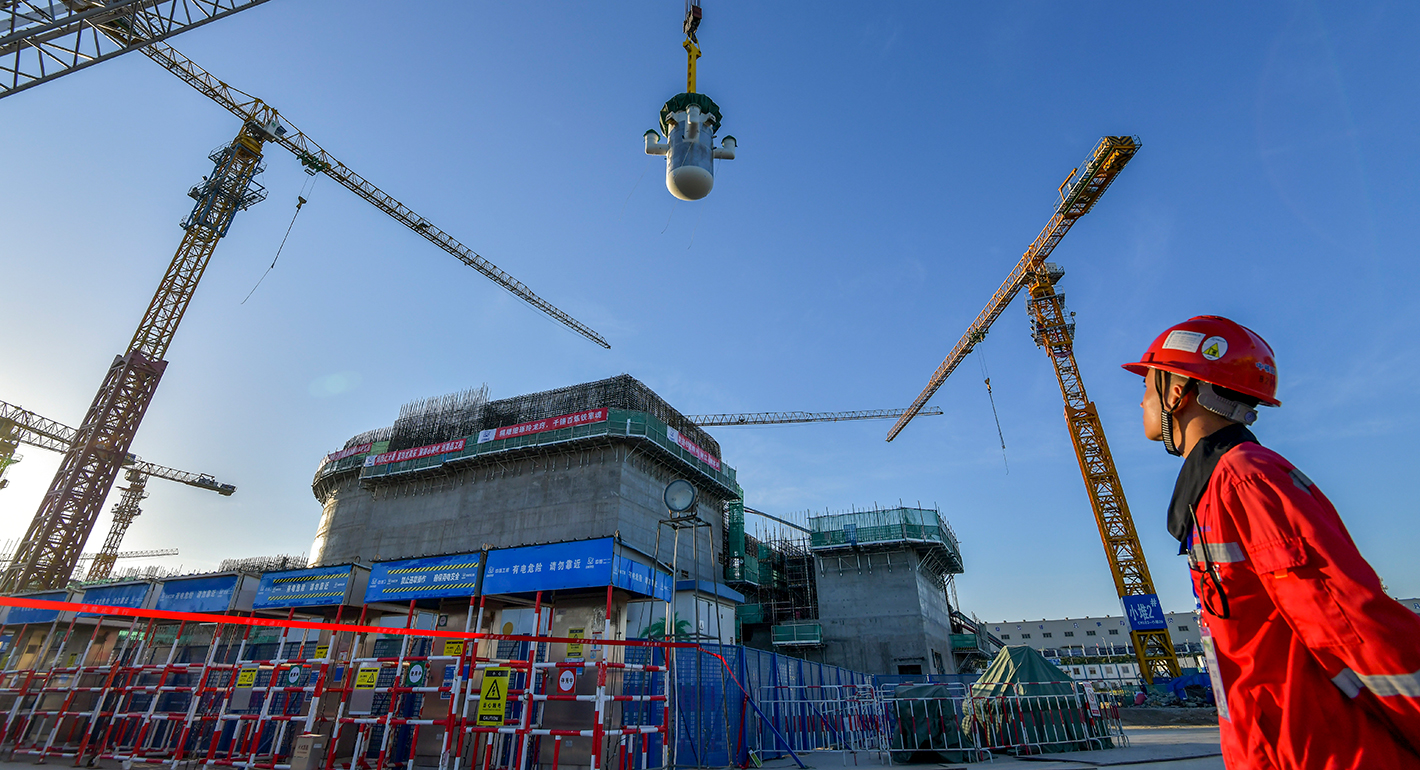
China has showcased its engineering prowess with small modular reactor demonstration projects. But turning these technological achievements into commercial success will be a greater challenge.

Tong Zhao

The Plaza Accord was not an externally imposed punishment of Japan but part of a broader restructuring that Japanese economists and policymakers themselves recognized was necessary. Its effects were undermined, however, when Tokyo responded to the resulting slowdown with policies that exacerbated investment, credit expansion, and the very imbalances the adjustment was intended to resolve.

Michael Pettis
China’s banking crisis in the 2000s was resolved by transferring the costs to households through financial repression—a decision that recapitalized the banks while exacerbating the structural imbalances that continue to shape the Chinese economy today.
Michael Pettis

In the latest Five-Year Plan, the Chinese president cements the shift to an innovation-driven economy over a consumption-driven one.

Damien Ma
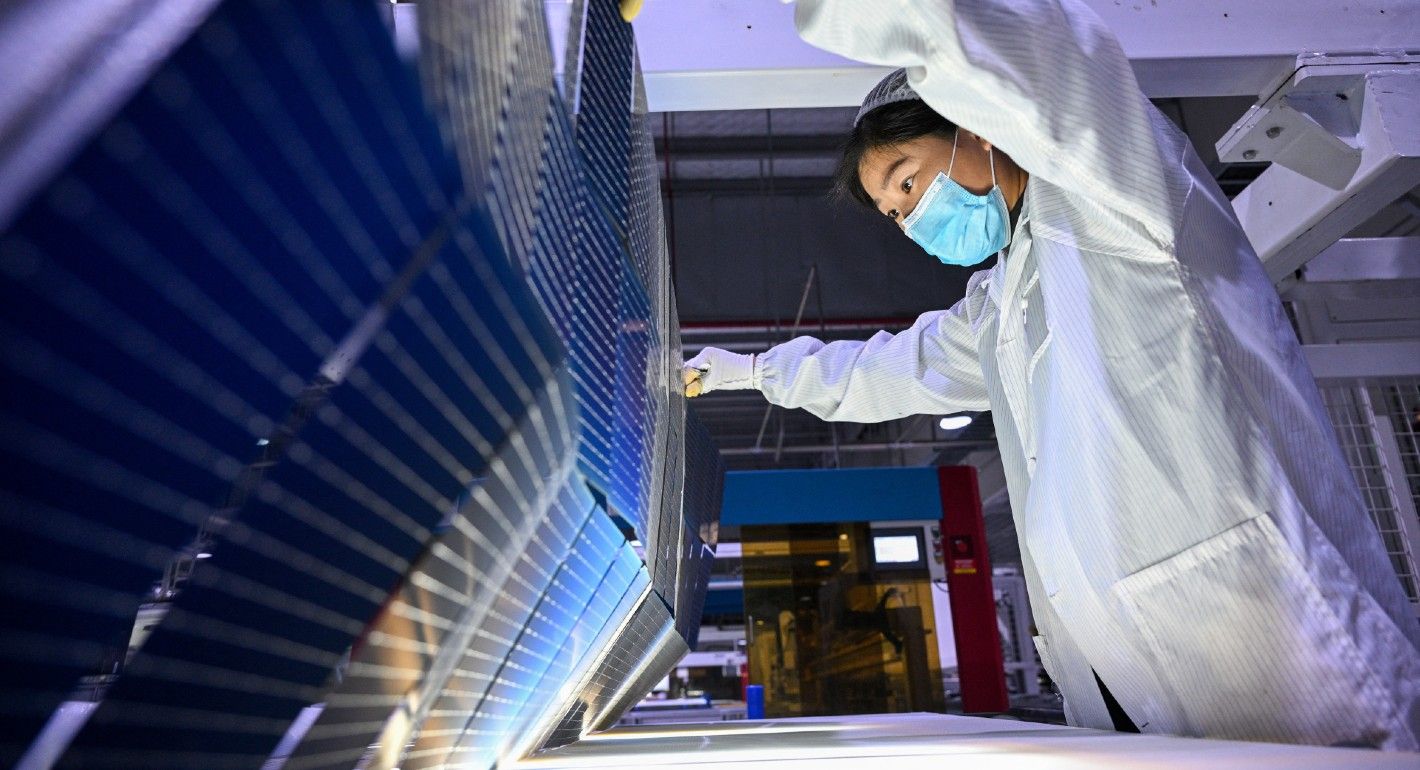
Rather than climate ambitions, compatibility with investment and exports is why China supports both green and high-emission technologies.

Mathias Larsen