• Commentary
  • Research
  • Experts
  • Events
Carnegie China logoCarnegie lettermark logo
{
  "authors": [
    "George Perkovich"
  ],
  "type": "legacyinthemedia",
  "centerAffiliationAll": "dc",
  "centers": [
    "Carnegie Endowment for International Peace"
  ],
  "collections": [],
  "englishNewsletterAll": "ctw",
  "nonEnglishNewsletterAll": "",
  "primaryCenter": "Carnegie Endowment for International Peace",
  "programAffiliation": "NPP",
  "programs": [
    "Nuclear Policy"
  ],
  "projects": [],
  "regions": [
    "South Asia",
    "Pakistan"
  ],
  "topics": [
    "Nuclear Policy"
  ]
}
Source: Getty

In The Media

Will the US Bomb Pakistan?

U.S. concerns about Pakistan's nuclear weapons are sometimes exaggerated; the risk of nuclear war between India and Pakistan is greater than that of terrorists gaining access to Pakistan's nuclear arsenal.

Link Copied
By George Perkovich
Published on Sep 27, 2011

Source: NPR

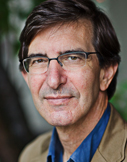
Speaking on NPR's To the Point, George Perkovich argued that worries over Pakistan's nuclear weapons are sometimes exaggerated in the United States and talked about in ways that are counterproductive. "There is a nuclear worry that I think is much greater, which is the possibility that a conflict with India will happen again," Perkovich said. He added that if India retaliates to an attack by a Pakistani terrorist group, there is a risk of military escalation that could lead to nuclear war. "The risk of nuclear war between Pakistan and India I think is well above zero," Perkovich said. He concluded that the key to stability in the region is getting “the Pakistani state apparatus not only to stop supporting groups that commit terror, but to try to turn against them."

About the Author

George Perkovich

Japan Chair for a World Without Nuclear Weapons, Senior Fellow

George Perkovich is the Japan Chair for a World Without Nuclear Weapons and a senior fellow in the Carnegie Endowment for International Peace’s Nuclear Policy Program. He works primarily on nuclear deterrence, nonproliferation, and disarmament issues, and is leading a study on nuclear signaling in the 21st century.

    Recent Work

  • Paper
    How to Assess Nuclear ‘Threats’ in the Twenty-First Century

      George Perkovich

  • Commentary
    “A House of Dynamite” Shows Why No Leader Should Have a Nuclear Trigger

      George Perkovich

George Perkovich
Japan Chair for a World Without Nuclear Weapons, Senior Fellow
George Perkovich
Nuclear PolicySouth AsiaPakistan

Carnegie does not take institutional positions on public policy issues; the views represented herein are those of the author(s) and do not necessarily reflect the views of Carnegie, its staff, or its trustees.
More Work from Carnegie China

  • Commentary
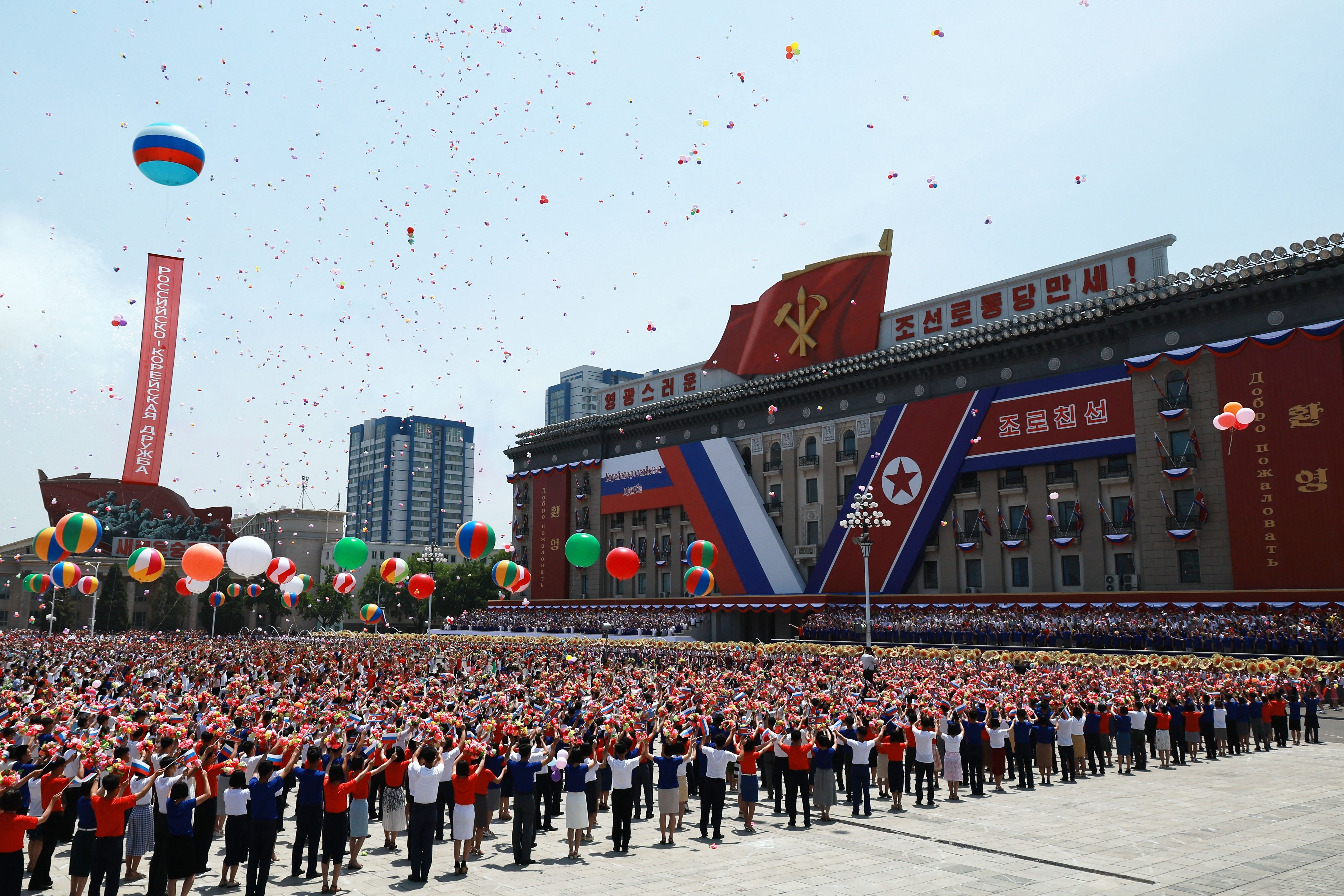
    Beyond the Putin-Kim Alliance: How Can the International Community Engage China to Contain Nuclear Risks Over the Korean Peninsula?

    Faced with an increase in strategic maneuvering by Moscow and Pyongyang, Beijing will not sit idly by and allow Putin and Kim to shape the security environment on its behalf.

      Tong Zhao

  • REQUIRED IMAGE
    Commentary
    Missile Defense and the Strategic Relationship among the United States, Russia, and China

    China views U.S. missile defense as posing a greater potential threat to China’s nuclear deterrent than other U.S. military capabilities.

      Tong Zhao, Dmitry Stefanovich
  • Commentary
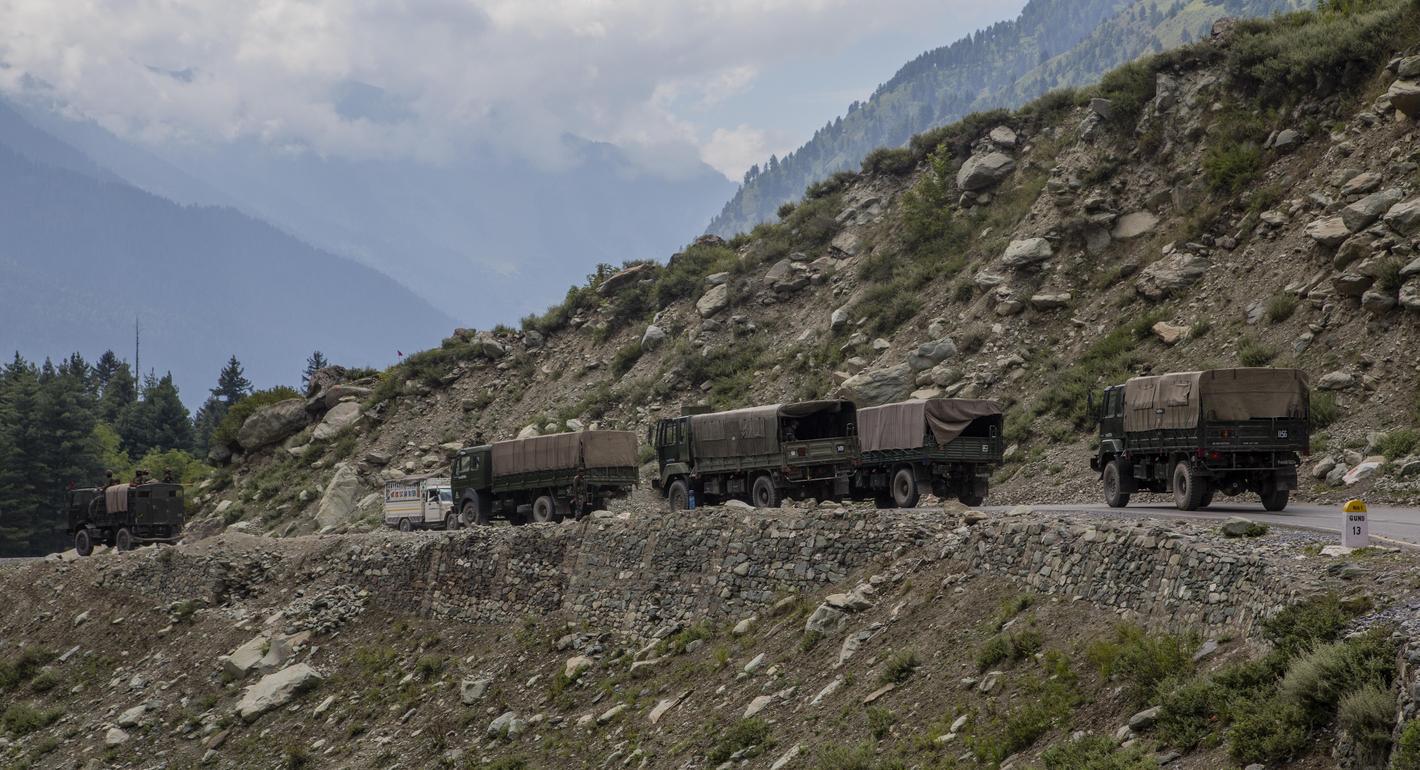
    Renewed Clashes on the China-India Border

    Can China and India disengage from contested territories along the border?

      • +1

      Paul Haenle, Ashley J. Tellis, Han Hua, …
  • Commentary
    India’s New Crypto Proposals Should Worry Virtual Currency Fans

    The government extends the uncertainty with its two new taxes and digital rupee.

      Anirudh Burman, Priyadarshini D.

  • REQUIRED IMAGE
    Commentary
    About the P5 process, RevCon 2022, AUKUS and US-China Competition From The Chinese Side

    There are certainly other issues among other P5 countries, but the U.S.-China competition is so by far the most consequential great power rivalry in the international system, and it has very far-reaching geopolitical implications at and beyond the Pacific region.

      Tong Zhao

Get more news and analysis from
Carnegie China
Carnegie China logo, white
Keck Seng Tower133 Cecil Street #10-01ASingapore, 069535Phone: +65 9650 7648
  • Research
  • About
  • Experts
  • Events
  • Contact
  • Careers
  • Privacy
  • For Media
Get more news and analysis from
Carnegie China
© 2026 Carnegie Endowment for International Peace. All rights reserved.