

Article
Wang Tao
{
  "authors": [
    "Wang Tao"
  ],
  "type": "legacyinthemedia",
  "centerAffiliationAll": "",
  "centers": [
    "Carnegie Endowment for International Peace",
    "Carnegie China"
  ],
  "collections": [
    "China and the Developing World"
  ],
  "englishNewsletterAll": "",
  "nonEnglishNewsletterAll": "",
  "primaryCenter": "Carnegie China",
  "programAffiliation": "",
  "programs": [],
  "projects": [],
  "regions": [
    "East Asia",
    "China"
  ],
  "topics": [
    "Economy",
    "Climate Change"
  ]
}
Source: Getty
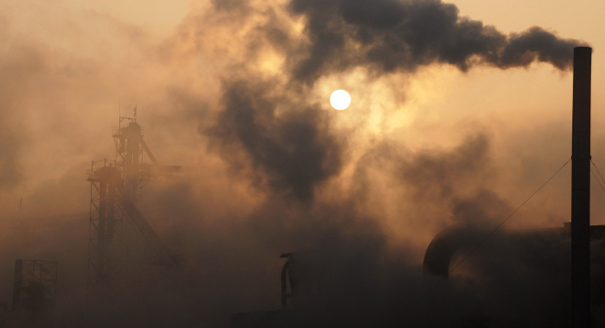
While Beijing has already made improvements in developing cleaner energy, the counry’s use of coal as its primary source of energy still poses a considerable challenge.
Source: CCTV News
Carnegie–Tsinghua’s Wang Tao spoke to CCTV News’ China 24 to discuss potential alternative energy routes for China and the challenges the nation will encounter in implementing such energy practices. While Beijing has already made improvements in developing cleaner energy, China’s use of coal as its primary source of energy still poses a considerable challenge.
Wang acknowledged that finding alternative forms of energy will be difficult. Natural gas is not readily available in China and is only a minor improvement over coal with regard to how cleanly it burns. Solar and wind energy could be strong potential options, but these require further development.

Former Nonresident Scholar, Carnegie-Tsinghua Center for Global Policy
Wang Tao was a nonresident scholar in the Energy and Climate Program based at the Carnegie–Tsinghua Center for Global Policy.
Recent Work
Wang Tao
Wang Tao, Yang Yifang
Carnegie does not take institutional positions on public policy issues; the views represented herein are those of the author(s) and do not necessarily reflect the views of Carnegie, its staff, or its trustees.

For Malaysia, the conjunction that works is “and” not “or” when it comes to the United States and China.

Elina Noor

ASEAN needs to determine how to balance perpetuating the benefits of technology cooperation with China while mitigating the risks of getting caught in the crosshairs of U.S.-China gamesmanship.
Elina Noor
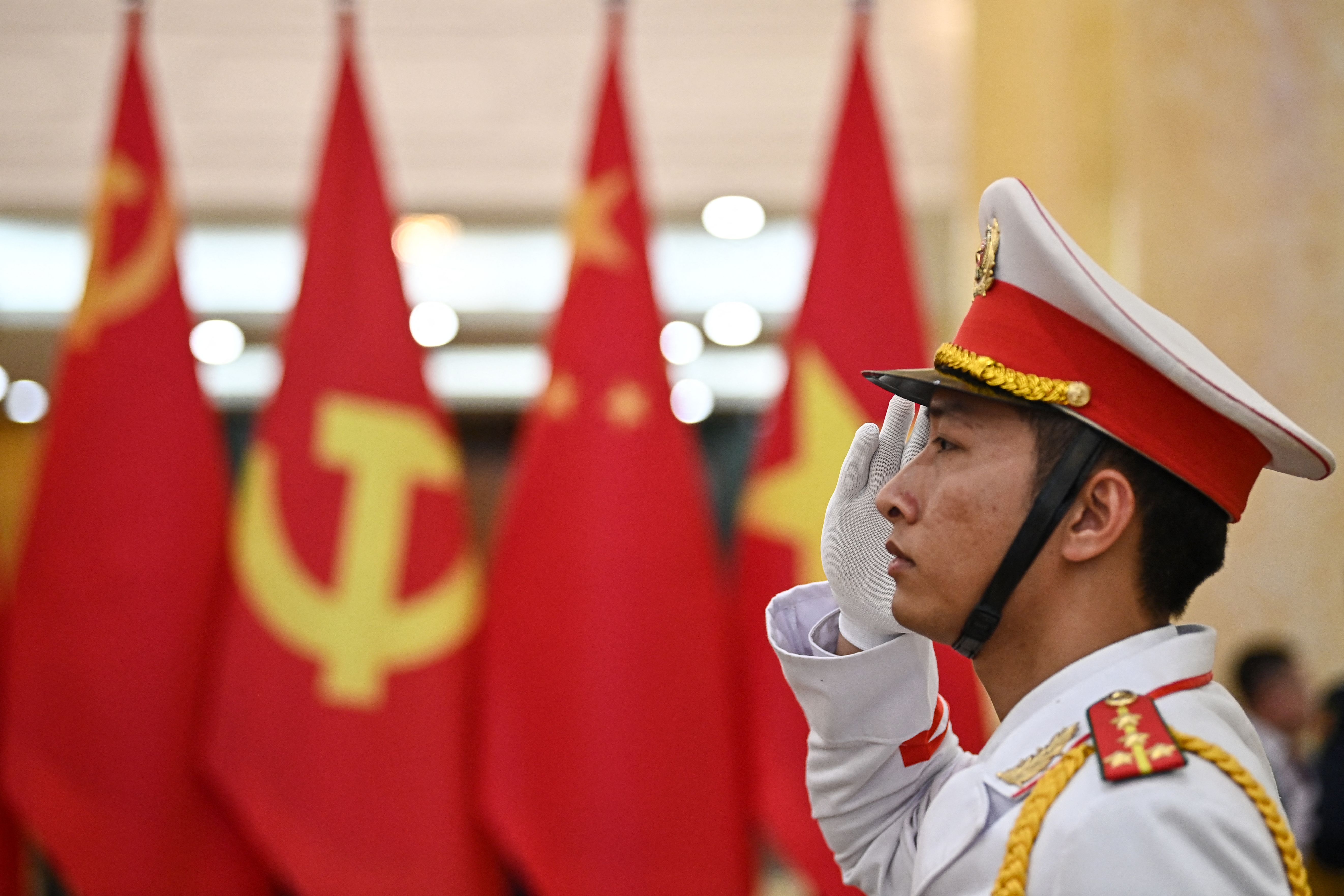
In July 2025, Vietnam and China held their first joint army drill, a modest but symbolic move reflecting Hanoi’s strategic hedging amid U.S.–China rivalry.

Nguyễn Khắc Giang
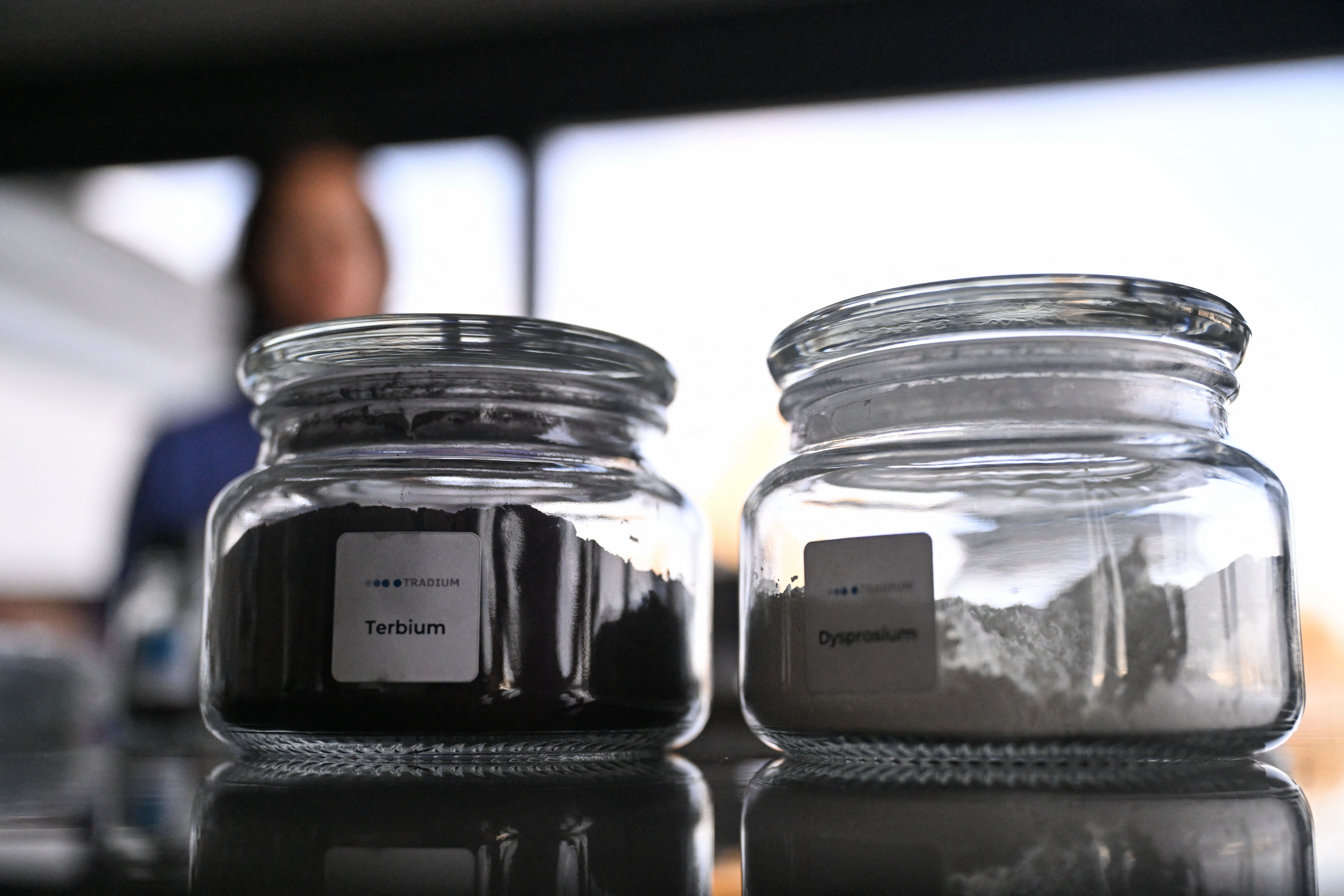
Regulation, not embargo, allows Beijing to shape how other countries and firms adapt to its terms.
Alvin Camba
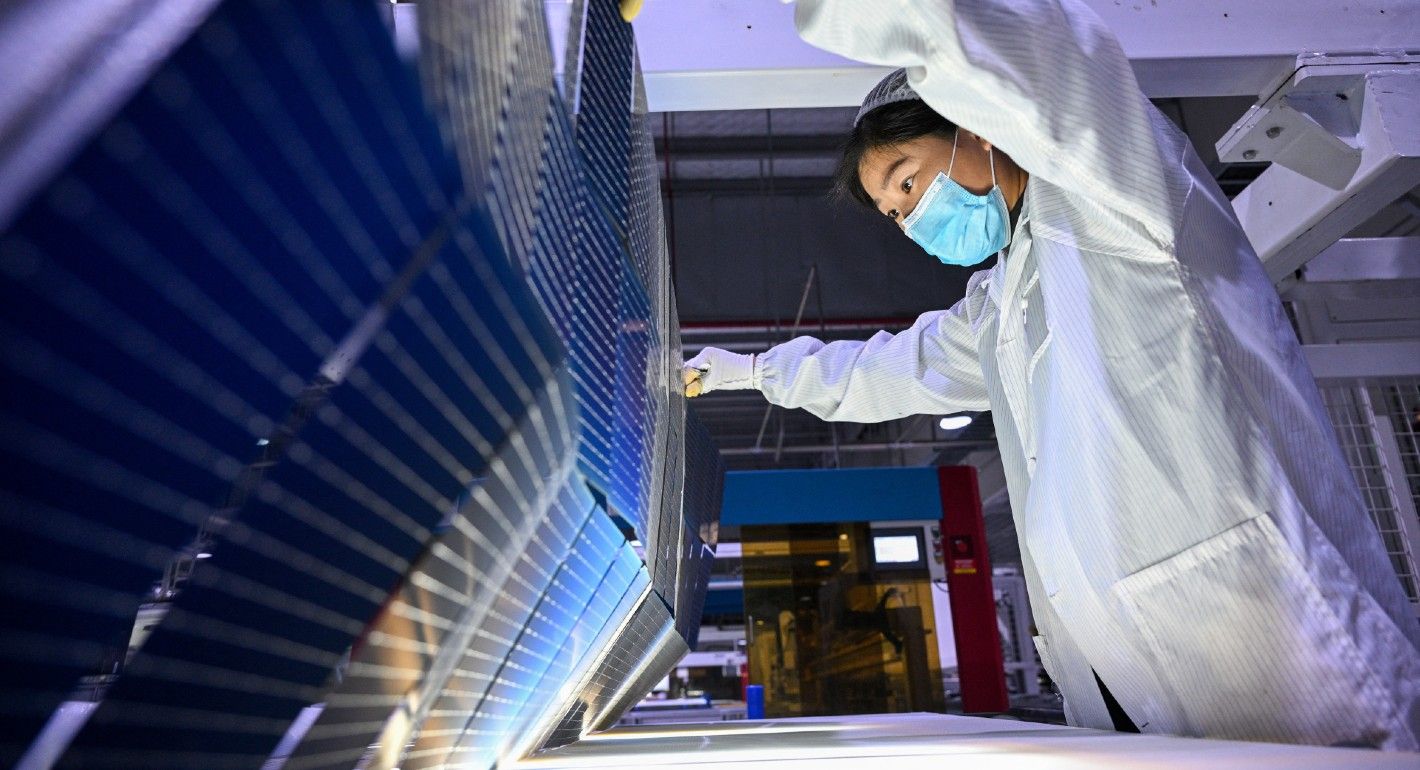
Rather than climate ambitions, compatibility with investment and exports is why China supports both green and high-emission technologies.

Mathias Larsen