

In The Media
Martha Brill Olcott
{
  "authors": [
    "Martha Brill Olcott"
  ],
  "type": "other",
  "centerAffiliationAll": "dc",
  "centers": [
    "Carnegie Endowment for International Peace"
  ],
  "collections": [],
  "englishNewsletterAll": "ctw",
  "nonEnglishNewsletterAll": "",
  "primaryCenter": "Carnegie Endowment for International Peace",
  "programAffiliation": "russia",
  "programs": [
    "Russia and Eurasia"
  ],
  "projects": [],
  "regions": [
    "Central Asia",
    "Turkmenistan"
  ],
  "topics": [
    "Climate Change"
  ]
}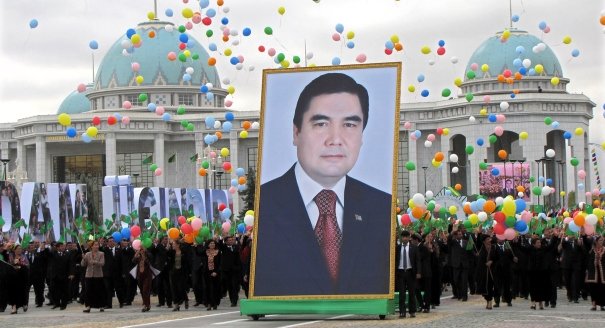
Source: Getty
Turkmenistan has the gas reserves necessary to realize its plan to increase production. However, several geographic and political issues may make it difficult to export Turkmen gas.
Source: James a. Baker III Institute for Public Policy
Turkmenistan has enormous gas reserves, estimated at 13.4 trillion cubic meters (473.2 trillion cubic feet), and is generally ranked fourth globally, behind Russia, Iran, and Qatar. The country’s oil reserves, estimated at 600 million barrels, are substantially smaller. The country has announced plans to increase gas production to 230 billion cubic meters per year (bcm/y), or 8,122 billion cubic feet per year, by 2030—a threefold increase from its previous production high in 1990, and over 3½ times production levels in 2012.
The country obviously has the reserves to justify the optimism of its announced plans, but the natural challenges of exporting gas from this land-locked country and the self-imposed difficulty of doing business in the republic combine to make it far from clear whether Turkmenistan will be able to realize its full potential in the global gas market.This chapter will discuss the development of Turkmenistan’s natural gas sector and the difficulties foreign investors face in attempting to bring Turkmen gas to market. The chapter proceeds in four parts. Part I, “A Brief History,” provides a very brief look at the development of independent Turkmenistan’s political and economic structure. Part II, “The Challenge of Doing Business in Turkmenistan,” describes how Turkmenistan’s business environment has changed under the two presidents that have led the country since independence, the structure of political and economic power, and the pitfalls that foreign investors face. Part III, “Turkmenistan’s Export Challenge,” examines three different primary export scenarios for Turkmen gas—to Russia, Iran, and China—as well as a variety of other planned or previously hoped for export routes that have not come to fruition. Finally, Part IV, “Could a Libyan Scenario Occur in Turkmenistan?” discusses possible sources of social unrest and the potential for drastic political change in the country....
Read the full article on the website of the James A. Baker III institute for Public Policy.

Former Senior Associate, Russia and Eurasia Program and, Co-director, al-Farabi Carnegie Program on Central Asia
Olcott is professor emerita at Colgate University, having taught political science there from 1974 to 2002. Prior to her work at the endowment, Olcott served as a special consultant to former secretary of state Lawrence Eagleburger.
Recent Work
Martha Brill Olcott
Martha Brill Olcott
Carnegie does not take institutional positions on public policy issues; the views represented herein are those of the author(s) and do not necessarily reflect the views of Carnegie, its staff, or its trustees.
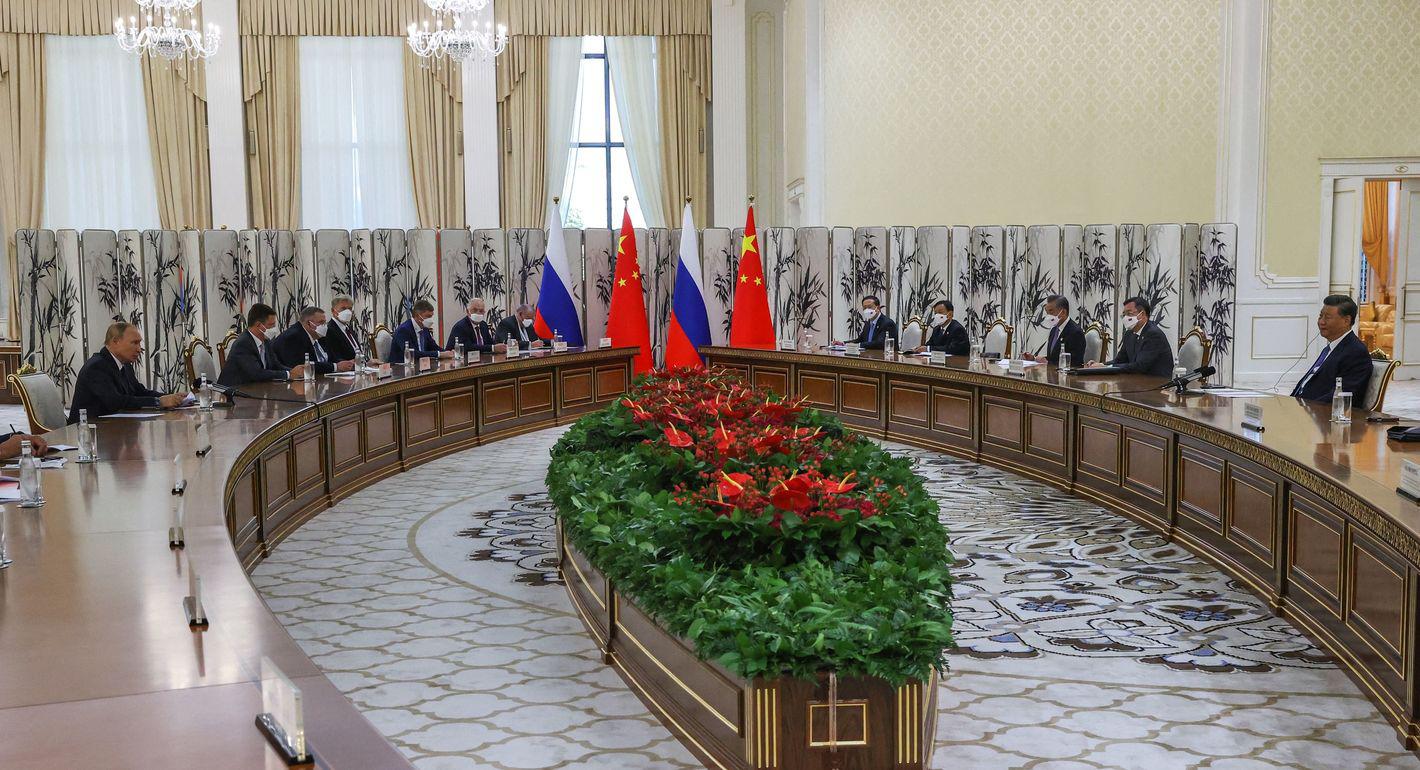
Russia has its Eurasian Economic Union, and China has its Belt and Road Initiative. For both projects, Central Asia is important.


Temur Umarov, Nargis Kassenova
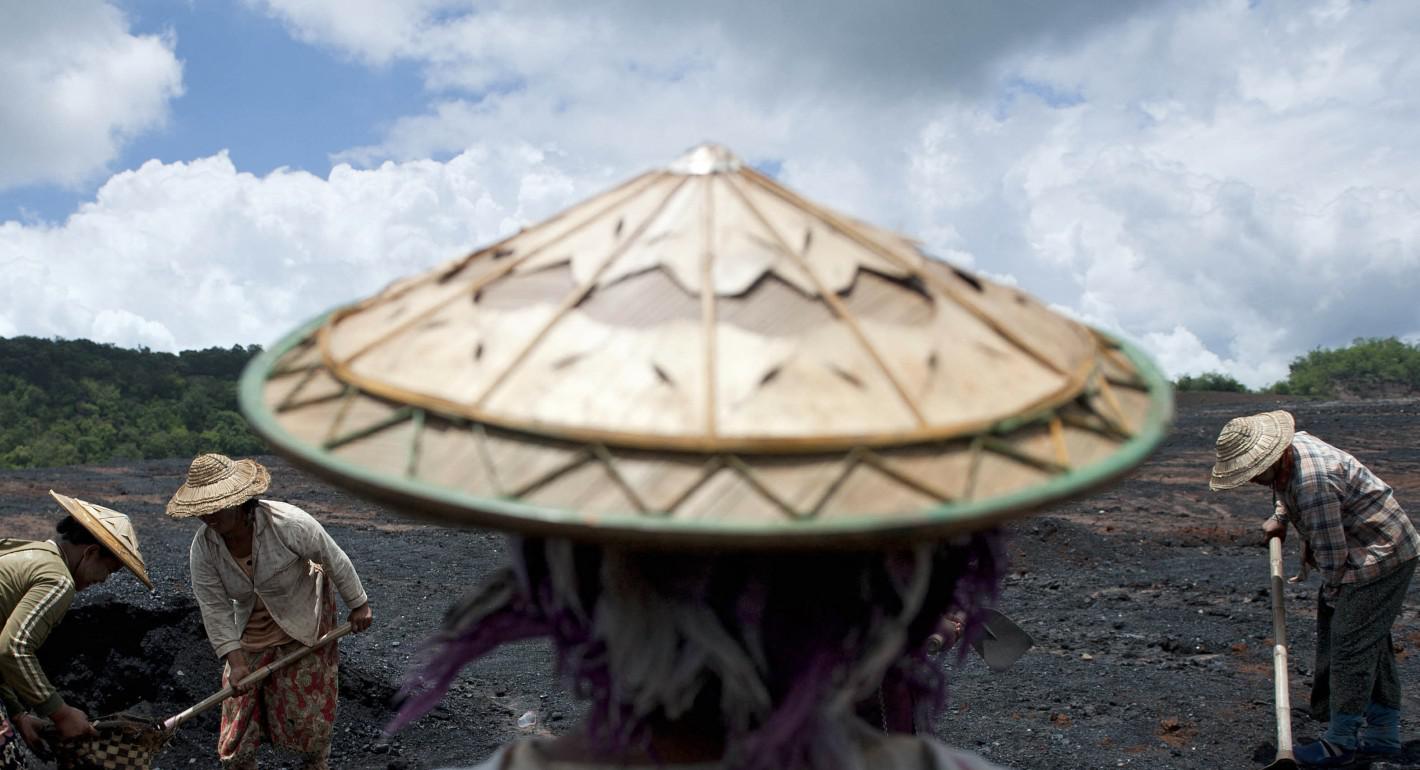
Chinese economic players in Myanmar initially relied on ties to the government and ruling elites. Faced with controversy, they turned to actors that local communities trust and listen to as de facto partners and informal advisers.

Xue Gong
China is on course to lead the world in the deployment of nuclear power technology by 2030. Should it succeed, China will assume global leadership in nuclear technology development, industrial capacity, and nuclear energy governance.

Mark Hibbs
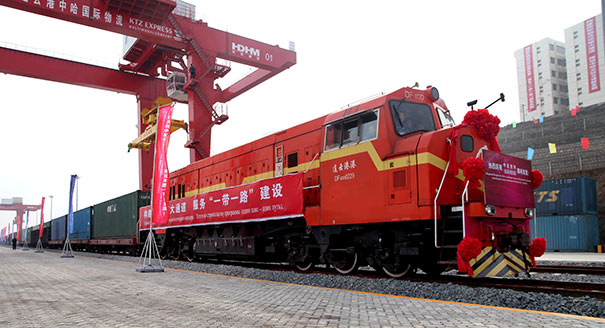
The internationalization of China, and of its companies in particular, is one of the most important phenomena of the beginning of the twenty-first century.
Philippe Le Corre
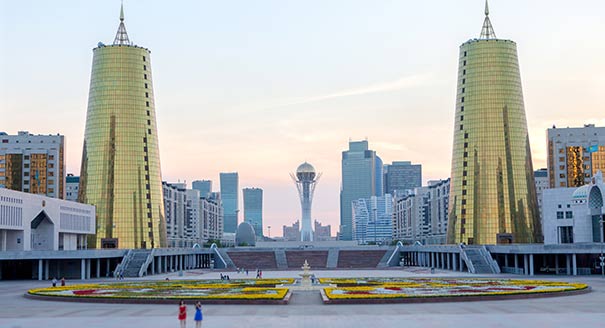
Consumed by domestic controversies and growing foreign policy crises in North Korea and the Middle East, the Trump administration has put little effort into developing a new policy approach towards Central Asia.

Paul Stronski