

Commentary
While China will remain a significant political and economic force in the Global South, its ambition to leverage the Global South as a counterbalance to the United States and the Global North is far from assured.
Xue Gong
{
  "authors": [
    "Milan Vaishnav",
    "Devesh Kapur",
    "Neelanjan Sircar"
  ],
  "type": "legacyinthemedia",
  "centerAffiliationAll": "dc",
  "centers": [
    "Carnegie Endowment for International Peace"
  ],
  "collections": [],
  "englishNewsletterAll": "ctw",
  "nonEnglishNewsletterAll": "",
  "primaryCenter": "Carnegie Endowment for International Peace",
  "programAffiliation": "SAP",
  "programs": [
    "South Asia"
  ],
  "projects": [
    "India Decides 2014"
  ],
  "regions": [
    "South Asia",
    "India"
  ],
  "topics": [
    "Political Reform"
  ]
}
Source: Getty
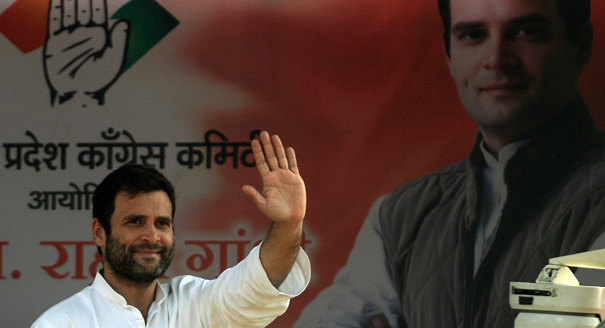
Political parties in India, virtually across the spectrum, have a demonstrated preference for perpetuating political dynasties.
Source: Times of India
In recent years there has been growing uneasiness over the sway of dynasty, criminality and caste in elections. Party elites are said to give their kith and kin pride of place, recruit criminals, and manipulate social divisions on the basis of caste and creed. But if these choices reflect the preferences of out-of-touch party bosses, why do voters vote for such candidates? In this third installment of our four-part series on the Indian voter, we draw once again on data from a new survey of 65,000 Indians sponsored by the Lok Foundation to examine voters' views on caste, criminality and family connections.
Political parties in India, virtually across the spectrum, have a demonstrated preference for perpetuating political dynasties. According to data from Anjali Bohlken and Kanchan Chandra, while 20% of Lok Sabha MPs elected in 2004 boasted at least one direct family connection in politics, this figure rose to 29% in 2009 (independently corroborated by Patrick French). In other words, nearly one in three members of the 15th Lok Sabha has an immediate family predecessor or concurrently serving blood relation in parliament.The conventional wisdom is that voters in India are fed up with the notion that parties are often little more than family-owned firms. The Lok survey asked respondents: "Would you prefer to vote for a candidate who belongs to a family of politicians?" To our surprise, 46% of respondents said yes.
This support exhibits marked variation across states. For instance, support for dynastic politicians is lowest in Odisha (29%), Kerala and Punjab (33% in each) and greatest in Andhra Pradesh (59%) and Gujarat (66%). Over 75% of MPs from Punjab have family connections in politics-the highest percentage of any major state-while less than a fifth of Gujarat's MPs come from political families, one of the lowest. Thus while voters in some states where dynasty is most prevalent least support the practice and vice versa, the cases of Odisha and Andhra Pradesh suggest that voters might have different perceptions on dynastic politicians representing them at the state versus central levels.
When voters were asked why they supported dynastic candidates, 45% responded that they are better at politics because it is their family occupation, while another 40% believe that family-backed politicians are likely to succeed because of greater exposure to politics. Thus, the overwhelming majority of respondents believe that dynastic politicians quite simply have an inside track to "doing politics" better. This cannot be reduced to delivering benefits to voters: just 15% of respondents replied that a dynastic background makes it easier to deliver services.
A second manifest reality of contemporary Indian politics is the nexus between crime and electoral politics. In 2004, 24% of MPs faced pending criminal cases with 15% facing charges of a serious nature. Five years later, 30% of MPs elected in 2009 faced criminal cases (19% of a serious nature). The widespread publicity of information on the biographical details of candidates did not trigger a backlash on the part of voters; indeed, quite the opposite.
Speculation that the presence of the anti-corruption Aam Aadmi Party would put pressure on the two main parties to desist from selecting tainted candidates has not yet been borne out. In the Delhi elections, 29% of MLAs elected in Dec 2013 had pending criminal cases of a serious nature, as opposed to only 9% in 2008.
To understand whether parties are foisting criminals on voters, we asked respondents whether they would vote for a candidate who delivers benefits to them even if s/he faces serious criminal cases. 26% of respondents answered affirmatively. Given the sensitivity of this question, it is hard to know whether this number is accurate. So we ran an experiment reading respondents a list of candidate characteristics, asking them how many of those attributes trouble them. The key innovation is that respondents need not disclose which of the statements trouble them, just how many (thus, protecting the anonymity of their preferences). Lok respondents were randomly divided into two groups with the list of statements shown to each group virtually identical, except in half of the cases we added criminality as a potential attribute. We estimate that nearly half of voters (48%) are not troubled by a candidate facing serious criminal charges if he can deliver benefits. This finding implies that the presence of criminals in politics is fundamentally not an issue of lack of information, but rather lack of governance.
This sentiment, however, varied markedly across states: 83% of respondents in Odisha were not troubled by criminal candidates while only 17% in Punjab felt the same. This "support" is correlated with the share of parliamentary candidates facing serious criminal charges who contested the 2009 elections: states where voters were less troubled have the greatest share of criminal candidates nominated by parties.
Finally, we probed respondents on their caste prejudices and preferences. Parties place considerable weight on the "caste calculus" of constituencies when selecting candidates. Yet in our last article we reported that economic considerations-not issues of identity-are at the top of voters' minds in 2014. Specifically, "opportunity and respect for persons of my caste or religion"-ranked eighth (out of eight) on the list of voters' priorities. Separately, we asked voters whether it was important to them that someone of their broad caste grouping won the election in their constituency; 46% of voters said it was, underscoring a strong, positive bias in favor of one's own caste when it comes to voting.
Furthermore, we detected a strong negative bias against other castes - 36% said they would be troubled if someone from another caste grouping won the election. As with criminality, we used experimental techniques to isolate "true" responses. This technique uncovered that 57% of respondents would be troubled by a candidate from another caste winning the election (a 50% increase over those who indicated bias when asked directly).
How do we reconcile the fact that identity ranks so poorly among voters' priorities yet clearly shapes their decision-making? The data suggests an answer: while identity matters to voters, it does not explain partisan decisions. Between 2009 and end-2013, support for the BJP grew by 14, 12 and 8% among upper castes, OBCs and SCs respectively, large shifts which account for the party's dramatic resurgence. If voter preferences were largely determined by caste identity, there would be little volatility in the electorate since these identities changed little during this period. Instead, contingent concerns, such as the economy, are more salient in determining voter preferences.
Finally, voters' stoicism regarding dynasty and criminality suggests that parties see little competitive advantage in addressing these concerns and, hence, have little incentive to change. Voters are desperately looking for someone who gets things done, whether dynasty or even mafia. Unfortunately this short-term outlook has created the very conditions of poor governance that is driving voting behavior. The resulting equilibrium is one of the severest challenges facing Indian democracy.
Kapur and Sircar are with CASI at the University of Pennsylvania. Vaishnav is with the Carnegie Endowment for International Peace.

Director and Senior Fellow, South Asia Program
Milan Vaishnav is a senior fellow and director of the South Asia Program and the host of the Grand Tamasha podcast at the Carnegie Endowment for International Peace. His primary research focus is the political economy of India, and he examines issues such as corruption and governance, state capacity, federalism, and electoral behavior. He also conducts research on the Indian diaspora.
Devesh Kapur
Starr Foundation Professor, Johns Hopkins (SAIS)
Devesh Kapur is the Starr Foundation Professor of South Asian studies at the Johns Hopkins School of Advanced International Studies (SAIS). He is the author of three books on migration, including The Other One Percent: Indians in America (with Sanjoy Chakravorty and Nirvikar Singh).
Neelanjan Sircar
Associate Professor, Ahmedabad University
Neelanjan Sircar is an associate professor at Ahmedabad University and one of the country’s leading scholars of Indian politics. He has spent years studying party organizations, welfare politics, and electoral change across states—including West Bengal and Assam.
Carnegie does not take institutional positions on public policy issues; the views represented herein are those of the author(s) and do not necessarily reflect the views of Carnegie, its staff, or its trustees.
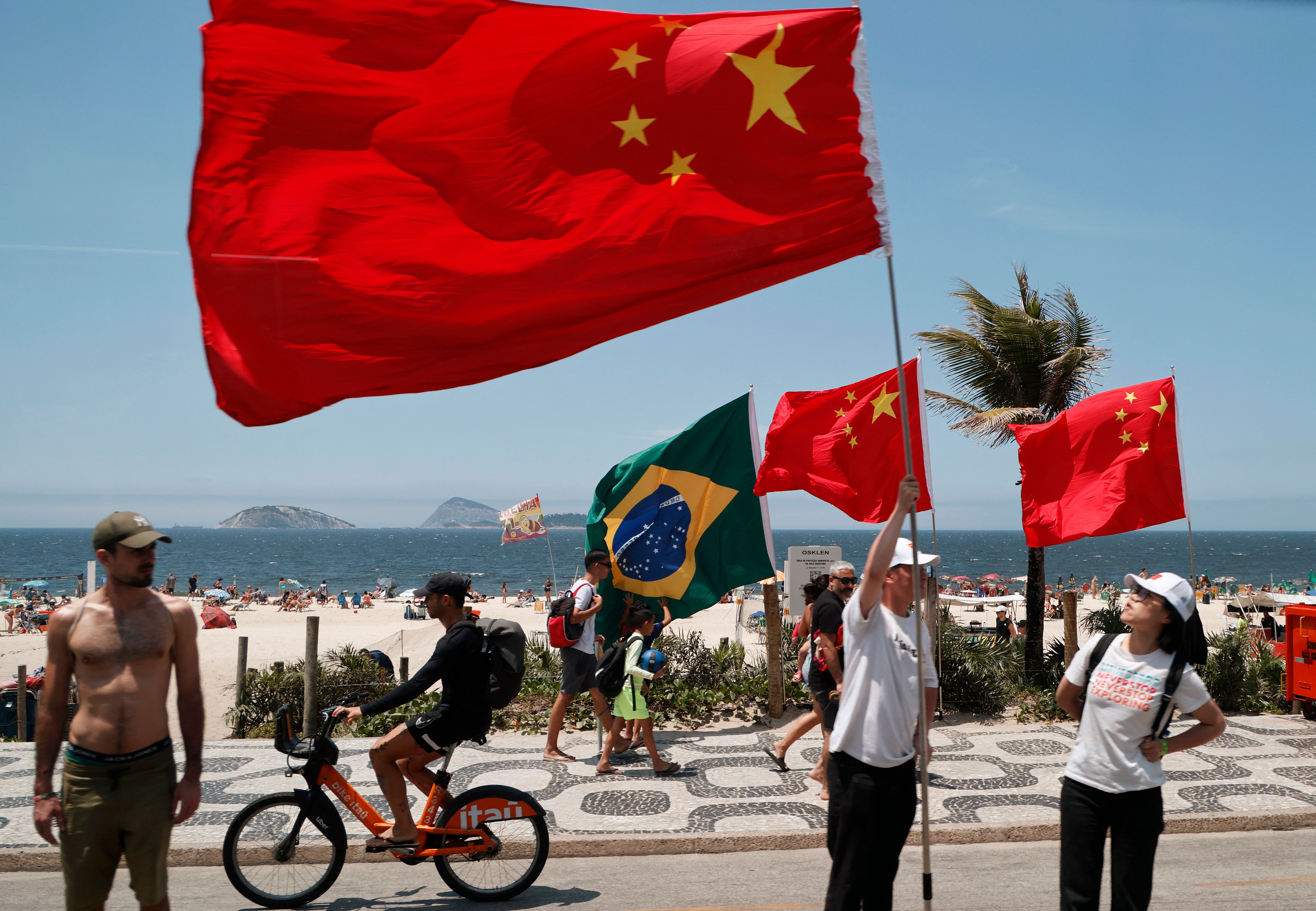
While China will remain a significant political and economic force in the Global South, its ambition to leverage the Global South as a counterbalance to the United States and the Global North is far from assured.

Xue Gong
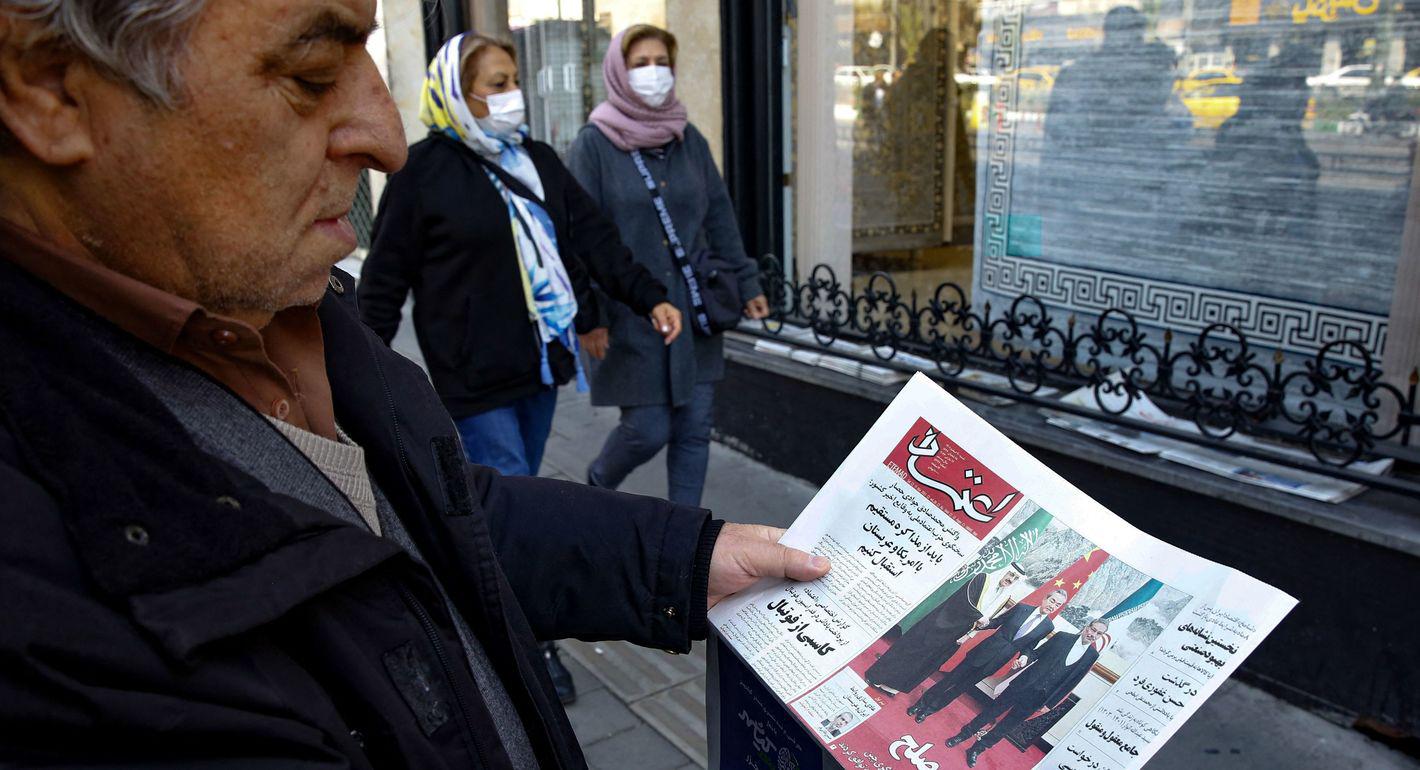
Transactional relationships are stable but can be shallow.


Paul Haenle, Maha Yahya, Benjamin Ho, …
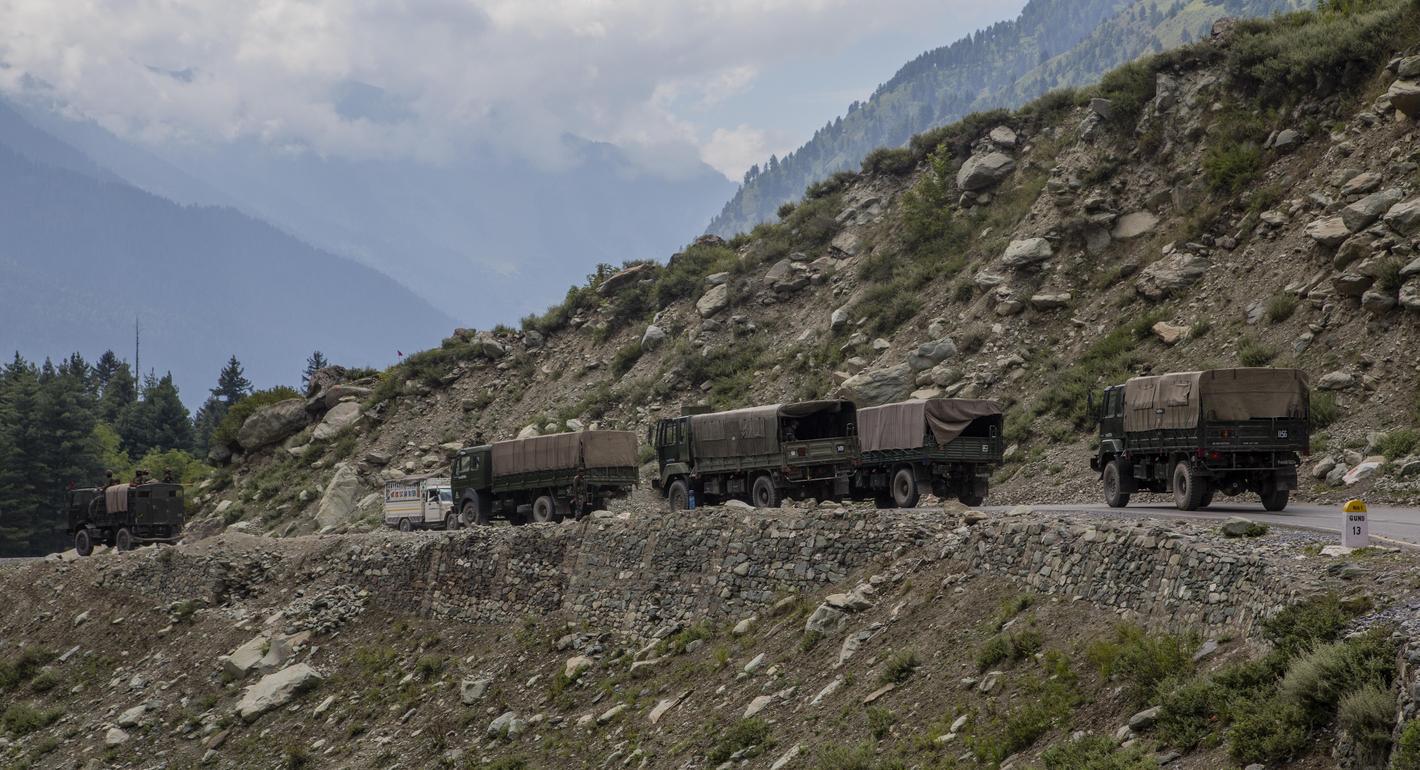
Can China and India disengage from contested territories along the border?
Paul Haenle, Ashley J. Tellis, Han Hua, …
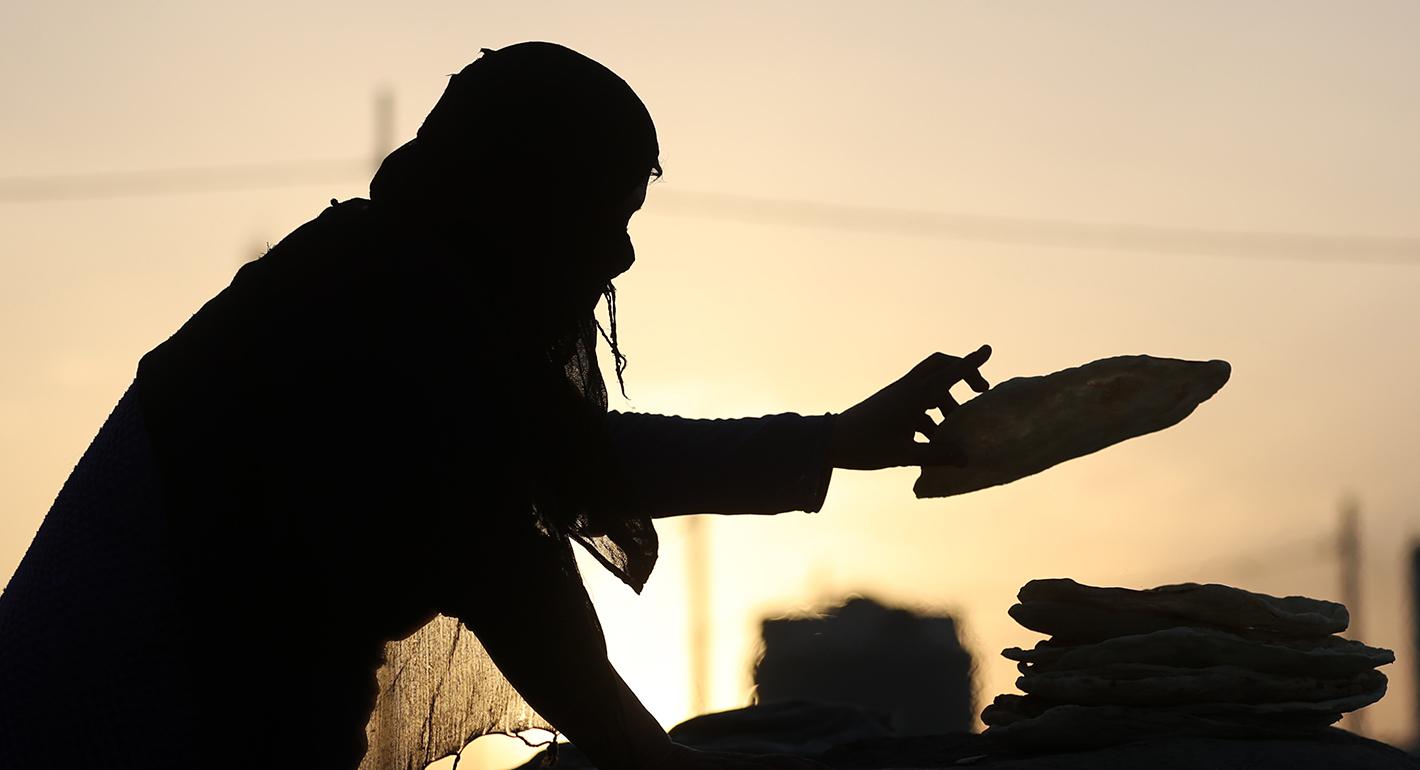
It’s about managing oil prices, bread prices, and strategic partnerships.



Amr Hamzawy, Karim Sadjadpour, Aaron David Miller, …
The government extends the uncertainty with its two new taxes and digital rupee.

Anirudh Burman, Priyadarshini D.