

Paper
Douglas H. Paal
{
  "authors": [
    "Douglas H. Paal"
  ],
  "type": "legacyinthemedia",
  "centerAffiliationAll": "dc",
  "centers": [
    "Carnegie Endowment for International Peace"
  ],
  "collections": [],
  "englishNewsletterAll": "asia",
  "nonEnglishNewsletterAll": "",
  "primaryCenter": "Carnegie Endowment for International Peace",
  "programAffiliation": "AP",
  "programs": [
    "Asia"
  ],
  "projects": [],
  "regions": [
    "East Asia",
    "China"
  ],
  "topics": [
    "Political Reform",
    "Economy"
  ]
}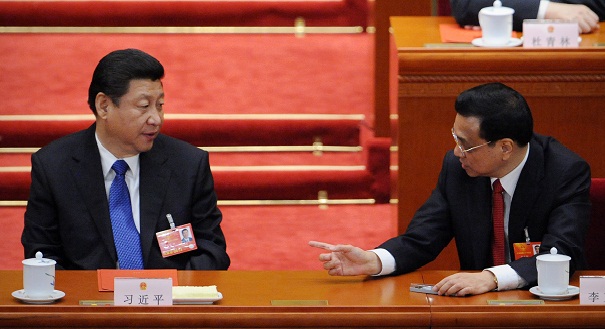
Source: Getty
The driving motivation behind the decision by the National People’s Congress to set the growth target at 7.5 percent is their desire to guarantee full employment.
Source: CCTV America
Douglas Paal, vice president for studies at the Carnegie Endowment, spoke on the highlights coming out of the Chinese Communist Party's National People’s Congress (NPC). Paal explained that the driving motivation behind the NPC’s decision to set the growth target at 7.5 percent is their desire to guarantee full employment. He added that the goal of 12.2 percent growth in defense spending makes China’s military the fastest growing in the world, although that number is somewhat overstated by not accounting for inflation. He also noted that shutting down coal burning power plants and getting high emission cars off the road are positive steps but China still has a long way to go in addressing its pollution challenges. Although he believes that the forced labor camps will be shut down as announced in the Third Plenum Decision document, he stated that other similar practices may take their place.

Distinguished Fellow, Asia Program
Paal previously served as vice chairman of JPMorgan Chase International and as unofficial U.S. representative to Taiwan as director of the American Institute in Taiwan.
Recent Work
Douglas H. Paal


Douglas H. Paal, Tong Zhao, Chen Qi, …
Carnegie does not take institutional positions on public policy issues; the views represented herein are those of the author(s) and do not necessarily reflect the views of Carnegie, its staff, or its trustees.

For Malaysia, the conjunction that works is “and” not “or” when it comes to the United States and China.

Elina Noor

ASEAN needs to determine how to balance perpetuating the benefits of technology cooperation with China while mitigating the risks of getting caught in the crosshairs of U.S.-China gamesmanship.
Elina Noor
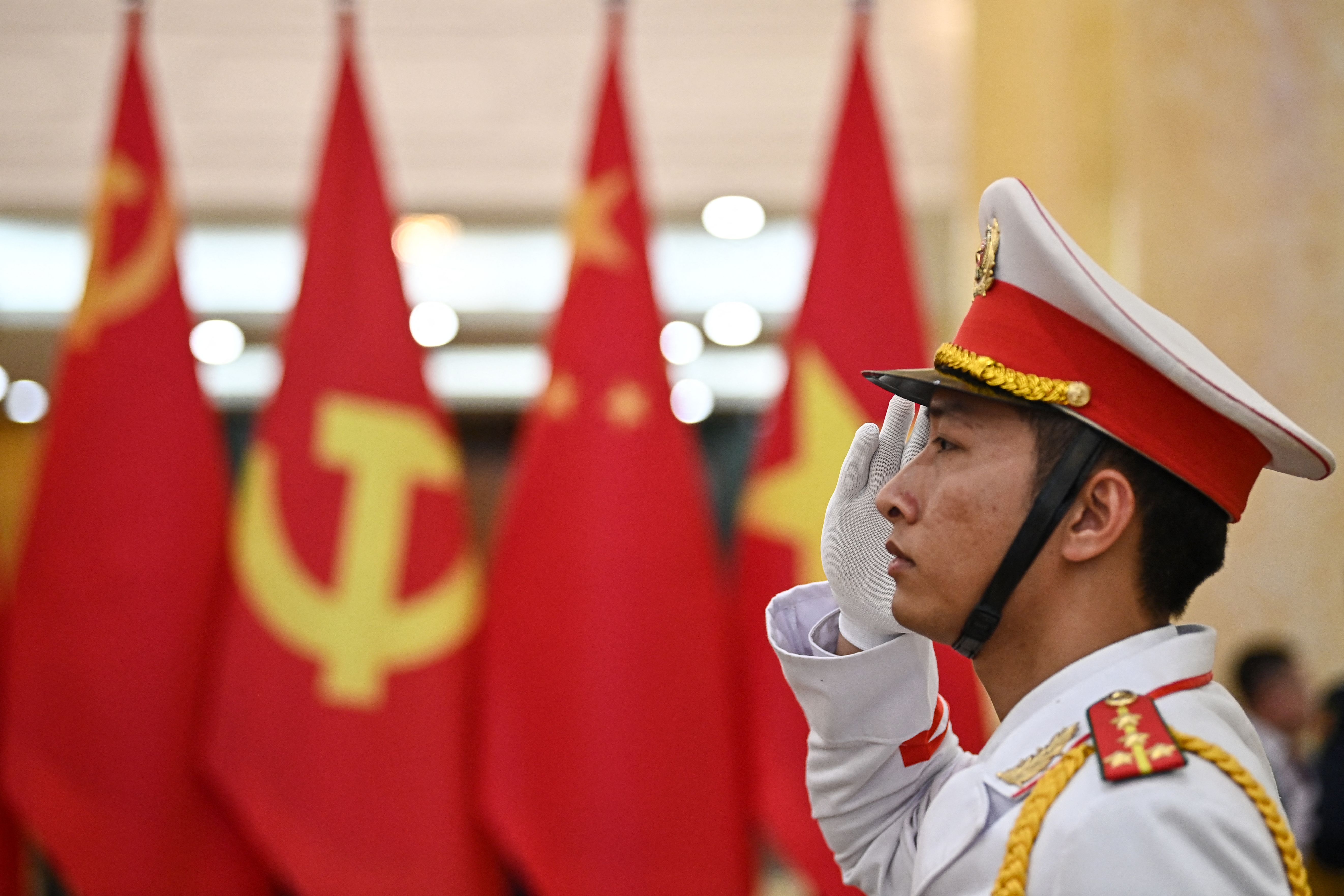
In July 2025, Vietnam and China held their first joint army drill, a modest but symbolic move reflecting Hanoi’s strategic hedging amid U.S.–China rivalry.

Nguyễn Khắc Giang

Regulation, not embargo, allows Beijing to shape how other countries and firms adapt to its terms.
Alvin Camba
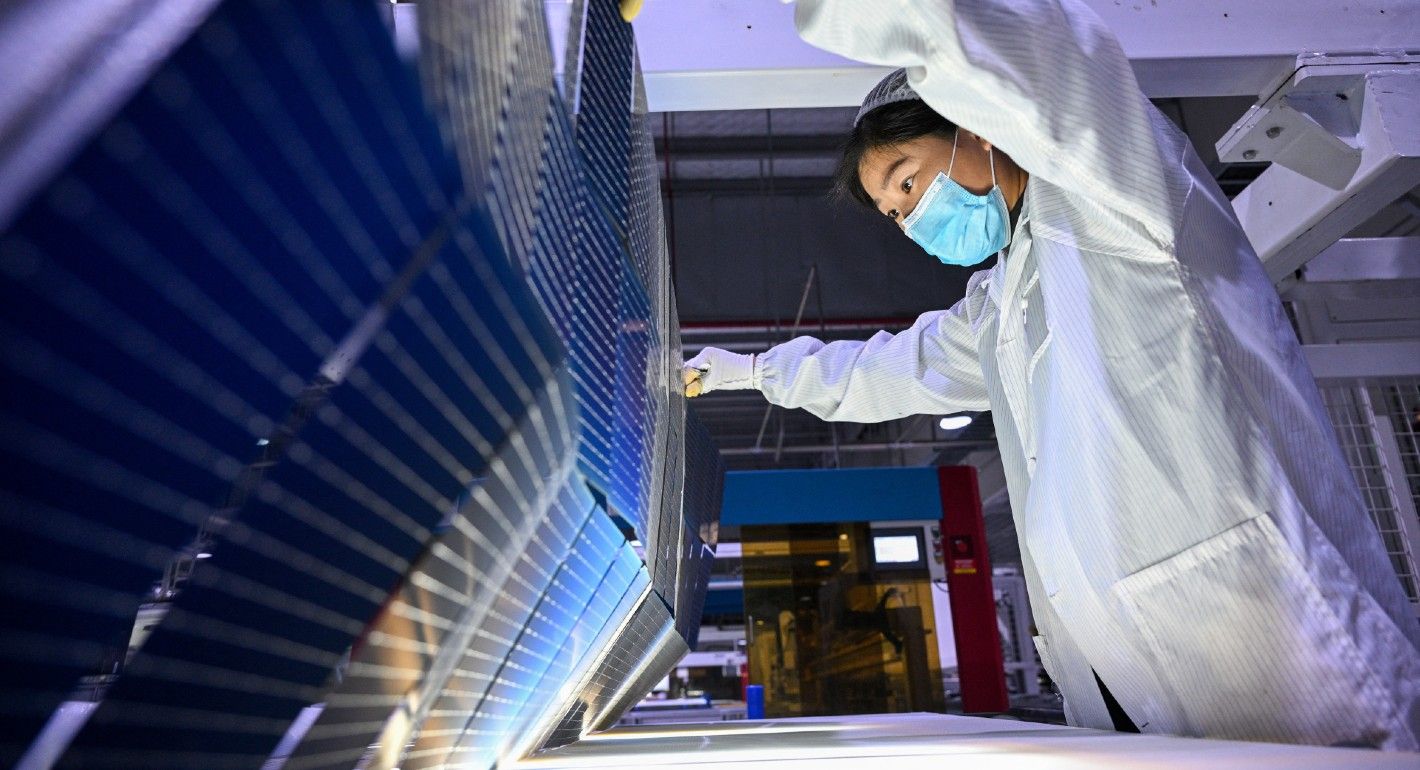
Rather than climate ambitions, compatibility with investment and exports is why China supports both green and high-emission technologies.

Mathias Larsen